Leopard Sharks At Julian Rocks: When Snorkellers Can See Them
Leopard sharks gather at Julian Rocks over the warmer months, but the sources say something narrower than the brochures imply: one dive operator places them mostly in a dive site called the Needles, from December to April. Here is what is stated, what is not, and how to pick a trip around it.
Short answer
One dive operator places leopard sharks at Julian Rocks mostly in the Needles sandy arena during the warmer months from December to April. The Needles is a dive site, and no operator states that a snorkel trip reliably reaches it or reliably sees a leopard shark. Turtles and rays are listed all year, so a summer trip has a good base of marine life either way.
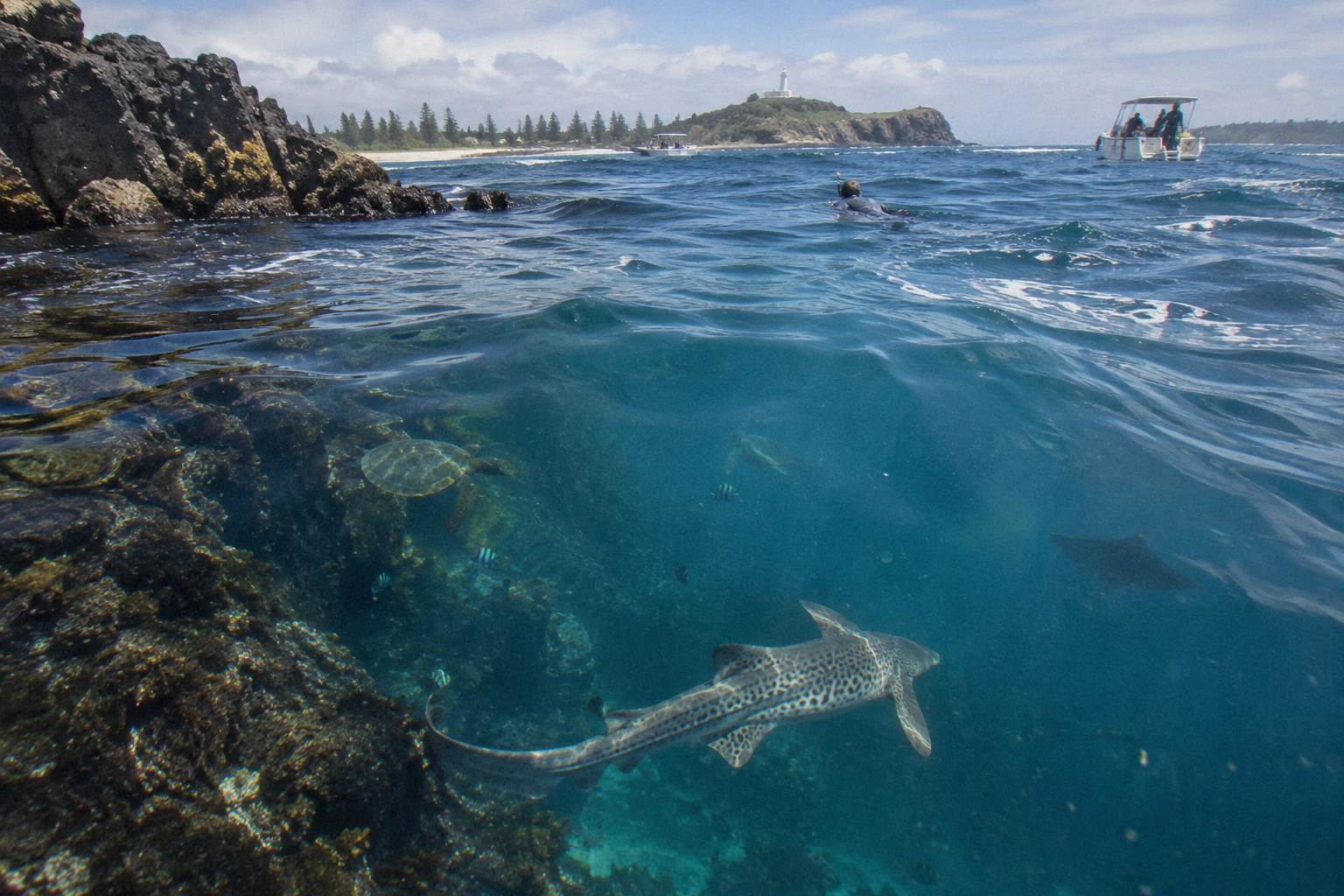
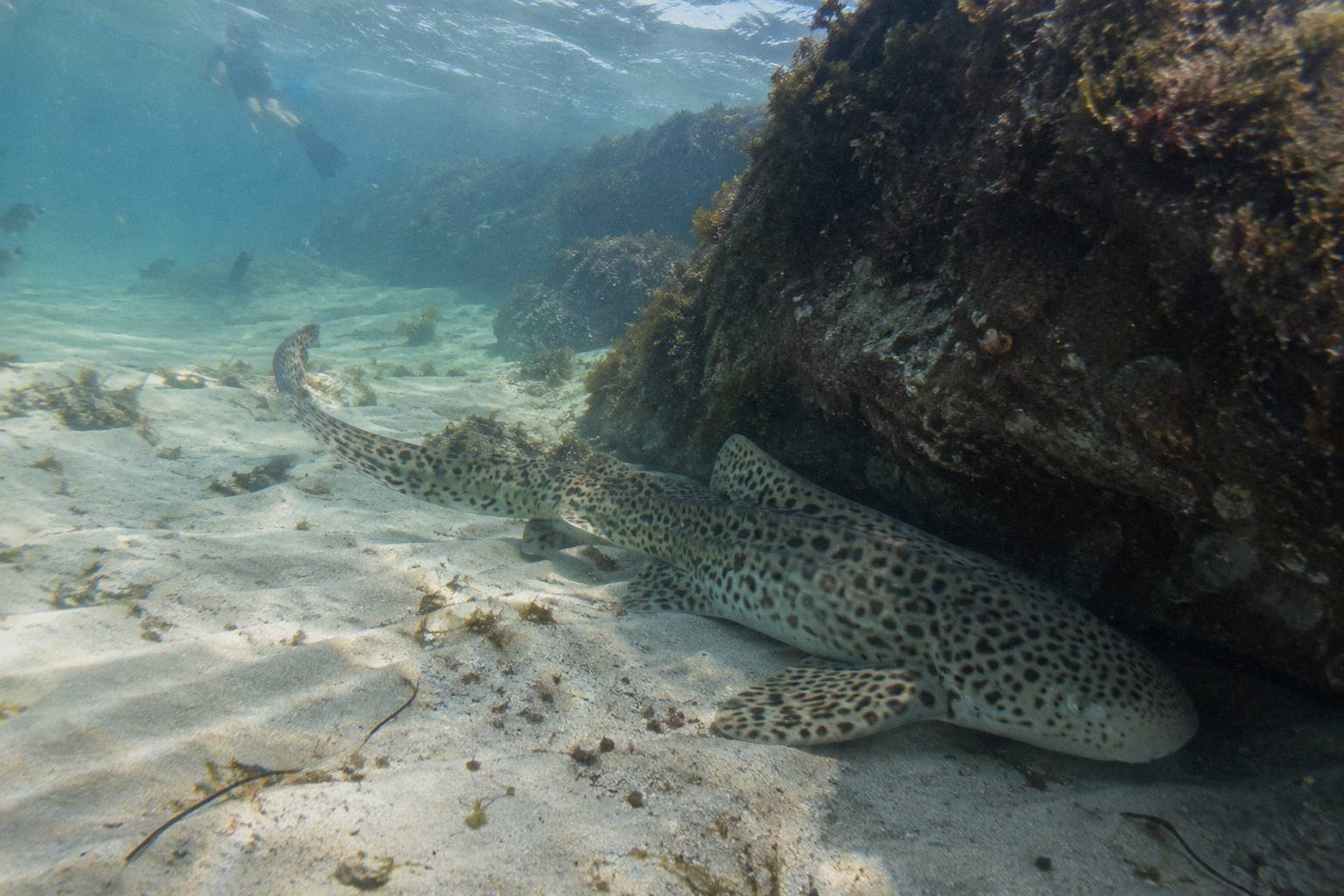
A leopard shark is the animal most snorkellers picture when they think about Julian Rocks in summer: a slim, spotted shark that rests over sand, grows to well over a metre, and looks far more dangerous than it behaves. The verified sources back part of that picture and quietly undercut another part. One dive operator's site places leopard sharks mostly in a sandy arena at a dive site called the Needles, during the warmer months from December to April. The Needles is a dive site. Snorkel trips, by the same operators' wording, stay in shallow sheltered areas of 3 to 12 m and are described as seeing turtles, rays, colourful fish and crustaceans. Nothing in any source states that a snorkel trip reliably sees a leopard shark, and this page will not promise one either. What it will do is set out exactly what is stated, what is not, and how to use that thin set of facts to plan a trip. For the wider picture of what lives around the rocks, see the Julian Rocks marine life guide.
When Do Leopard Sharks Visit Julian Rocks?
The clearest statement in the sources comes from one dive operator's page: leopard sharks appear mostly in the Needles sandy arena during the warmer months from December to April. The same page groups leopard sharks with manta rays as the summer attractions and lists grey nurse sharks as the cooler-water visitors, June to November, at dive depths. None of this is a sighting guarantee; it is seasonal operator wording, and the operator does not state a count or odds.
December through April is the window, then, and the Australian summer holidays sit right inside it: January and February are peak leopard shark months on the operator's calendar, and April overlaps with manta season on the same page. It is November 2026 as this is written, which in the southern hemisphere means spring is giving way to summer, so the leopard shark window is close rather than distant. That matters for planning, because a trip booked for late December enters the season at its start, while a trip booked for March rides the back of it. The operator's wording covers the whole span evenly and does not single out a best month inside it.
It is worth being precise about what kind of statement this is. It is not a marine park census. The NSW Department of Primary Industries and Regional Development lists sharks, rays, turtles, eels, starfish and corals among the animals at Nguthungulli Julian Rocks, without breaking sharks down by species or season. The December-to-April window and the Needles location come from a dive operator that runs trips to the site year-round and has every reason to describe its own patch of ocean accurately, but that is still operator wording rather than agency data. Treat it as a strong seasonal pattern, not a timetable.
What sits outside the window is just as useful to know. From June to November the same operator's attention shifts to grey nurse sharks in the sand trenches, at depths of 8 to 24 m, which are dive depths and not snorkel depths; grey nurse sharks are rarely seen on snorkel trips. If your heart is set on sharing the water with a shark as a snorkeller, the leopard shark months are the ones to aim for, and even then the sources support the season, not the sighting. The grey nurse sharks have their own page in the grey nurse sharks at Julian Rocks guide.
“An unforgettable experience in a unique place, accessible to all with very friendly professionals. I highly recommend it.”
Can A Snorkel Trip Actually Reach The Leopard Shark Habitat?
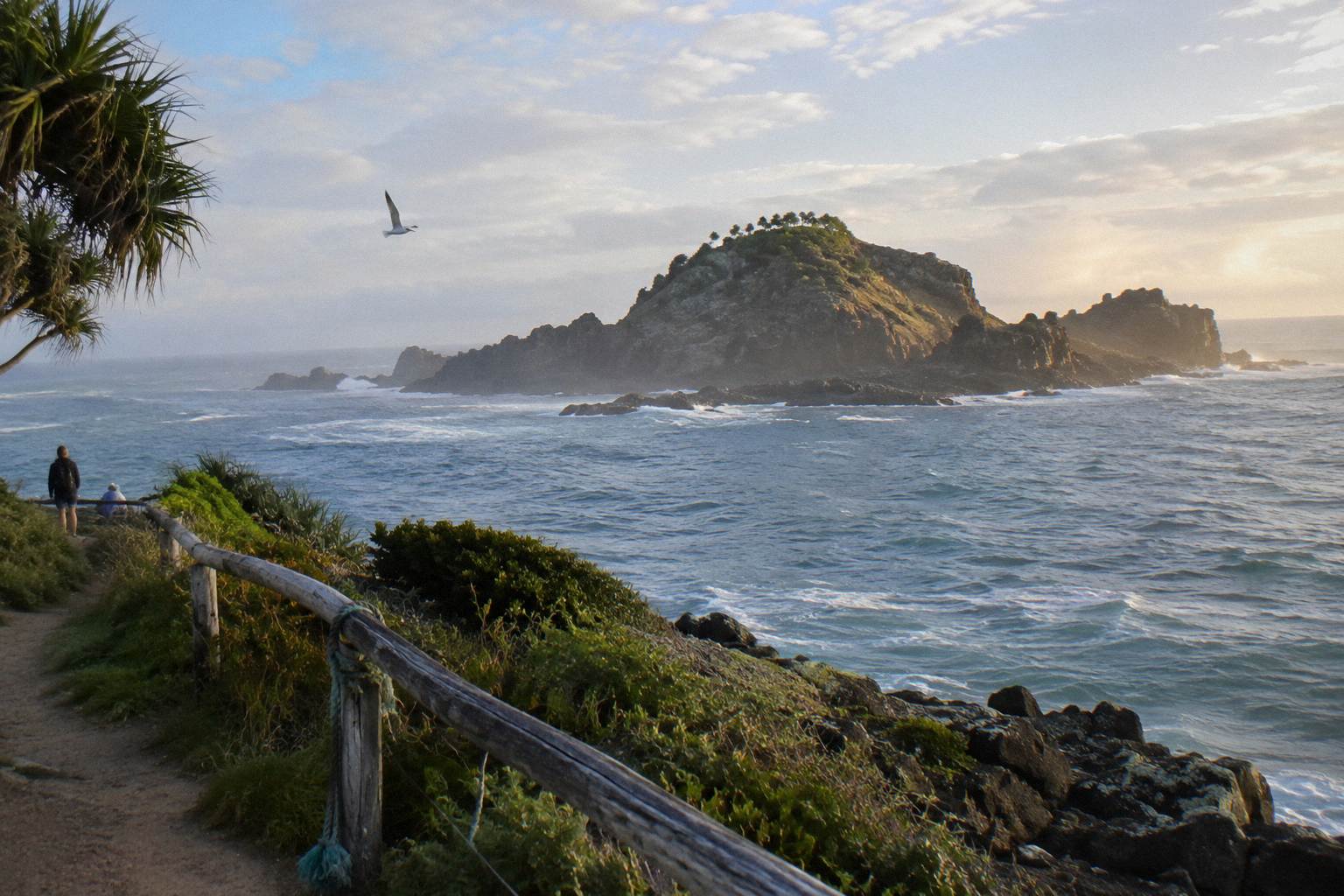
This is the part of the leopard shark story that marketing copy tends to blur and that the sources do not. The Needles appears on one dive operator's site as a named dive site, alongside the Line of Smiles, with wobbegong, bull rays, eagle rays and shovelnose rays listed there all year. Those are scuba depths and scuba site names. Snorkel trips to the rocks are described, on operator pages, as staying in the shallow sheltered areas where turtles, rays, a variety of colourful fish and crustaceans live. A leopard shark resting on sand at the Needles and a snorkeller floating in a sheltered bay can be at the same reef system on the same morning without ever sharing a view. The gap between those two descriptions is exactly the question to put to an operator before booking, and the section on questions to ask the booking desk below gives you the wording.
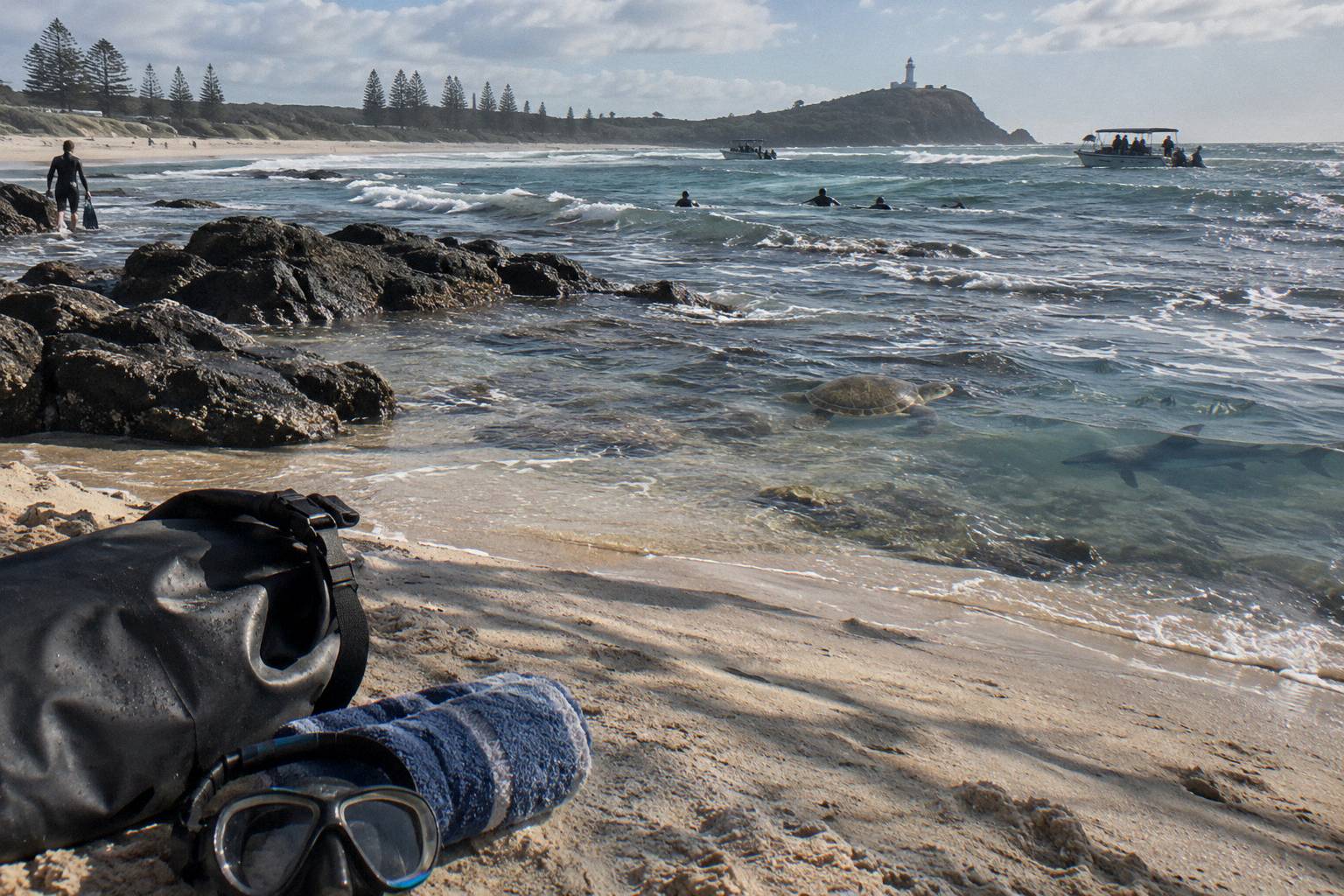
None of this makes a summer snorkel trip a poor bet. The shallow areas carry their own consistent cast: the operator listing for turtles covers green, hawksbill and loggerhead turtles year-round, and Byron Bay Dive Centre says turtles can be spotted year-round throughout the whole day, while also saying plainly that it cannot guarantee turtles will be there. Rays, eels, octopuses and nudibranchs are listed all year too. A December-to-April trip buys the full summer cast plus whatever the sharks are doing, and the shark question is the one variable the operator, not the calendar, controls through site choice on the day.
For the depth question in detail, the blog post on how deep the water is where you snorkel at Julian Rocks covers the 3 to 12 m snorkel band against the dive depths below it. If you are weighing scuba against snorkelling specifically to reach the Needles, the snorkelling or diving at Julian Rocks comparison lays out that trade honestly. In the meantime, these are the trips this site tracks that run in the leopard shark window:
Each of the three runs roughly half a day, departs from the Byron Bay area, and puts you in the water at the rocks with gear included. The featured trip, run by Blue Seafaris, is about 2.5 hours from Brunswick Heads, from AUD 94 per person, rated 4.5 across 448 reviews on its booking page; you can check availability alongside the featured Julian Rocks snorkel tour's own page.
Which Snorkel Trips Fit A Leopard Shark Chase?
The practical choice between them comes down to where you meet the boat and how long you want the day to run. Blue Seafaris and Out Of The Blue both check in at Brunswick Heads Boat Harbour, a short drive north of Byron Bay, and their trips run about 2.5 hours door to door. Out Of The Blue's main booking page shows 4.4 across 167 reviews, and a second booking page for the same trip shows 4.7 across 58 reviews, which tells you the rating depends on which listing a review lands on. Turtle School, run by Byron Bay Dive Centre, meets at Byron Plaza on Jonson Street in town and drives you to the boat at The Pass, with the whole outing running about 2.5 hours.
| Trip | Operator | Duration | Meeting point | Price and rating |
|---|---|---|---|---|
| Blue Seafaris Julian Rocks Snorkelling Tour | Blue Seafaris | About 2.5 hours | 43 Harbour Way, Brunswick Heads Boat Harbour | From AUD 94; 4.5 across 448 reviews on the booking page |
| Out Of The Blue Julian Rocks Snorkelling Tour | Out Of The Blue Adventures | About 2.5 hours | Brunswick Heads Boat Harbour | From AUD 94; 4.4 across 167 reviews; a second booking page shows 4.7 across 58 reviews |
| Turtle School Julian Rocks Snorkelling Tour | Byron Bay Dive Centre | About 3 hours | Byron Plaza, Jonson Street, Byron Bay; boat from The Pass | Rating and price are on the booking page |
| Byron Bay Dive Centre Sea Turtle Snorkel | Byron Bay Dive Centre | About 2.5 hours | Check the booking page | No price or rating printed |
The trip you pick matters less for sharks than the day itself does. Every operator works the same reef, under the same moorings, and site choice on the day follows the conditions. One dive operator notes that strong northerlies can blow between September and Christmas and that this open-ocean site can throw up strong swells, currents, surges, cold water and winds. A calm December morning on any of these boats beats a choppy February afternoon on the best of them, so if leopard sharks are the goal, build flexibility into your dates rather than agonising over operators. The choosing a Julian Rocks snorkel operator guide goes deeper on that comparison.
Out Of The Blue's listing is worth its own look if the Brunswick Heads departure suits you: it is the same length, the same from price of AUD 94, and a harbour check-in that avoids driving into central Byron Bay in the January traffic. Read its reviews with the two-listing quirk in mind and check which listing you are actually booking on.
What Else Is In The Water In The Leopard Shark Months?
Summer at the rocks is not a one-shark show. The operator wording for the warmer months pairs leopard sharks with manta rays, and lists turtles (green, hawksbill, loggerhead), rays, wobbegong, crustaceans, nudibranchs, octopuses, eels and fish as present all year. Humpback whales are a separate matter: one operator runs whale trips between May and November, another lists whale watching June to October, and neither claims whales on a snorkel trip.
The all-year list deserves more attention than it usually gets, because it is the part of the trip that actually repeats. A snorkeller floating in the sheltered shallows in February is, on the operators' own descriptions, in water that holds turtles, rays, colourful reef fish, octopuses, eels and nudibranchs regardless of what the sharks are doing. The turtle caveat is stated honestly by Byron Bay Dive Centre, which says turtles can be spotted year-round throughout the whole day and equally says it cannot guarantee turtles will be there. That is the correct frame for every species on this page: seasons describe what tends to be around, not what a given swim will find.
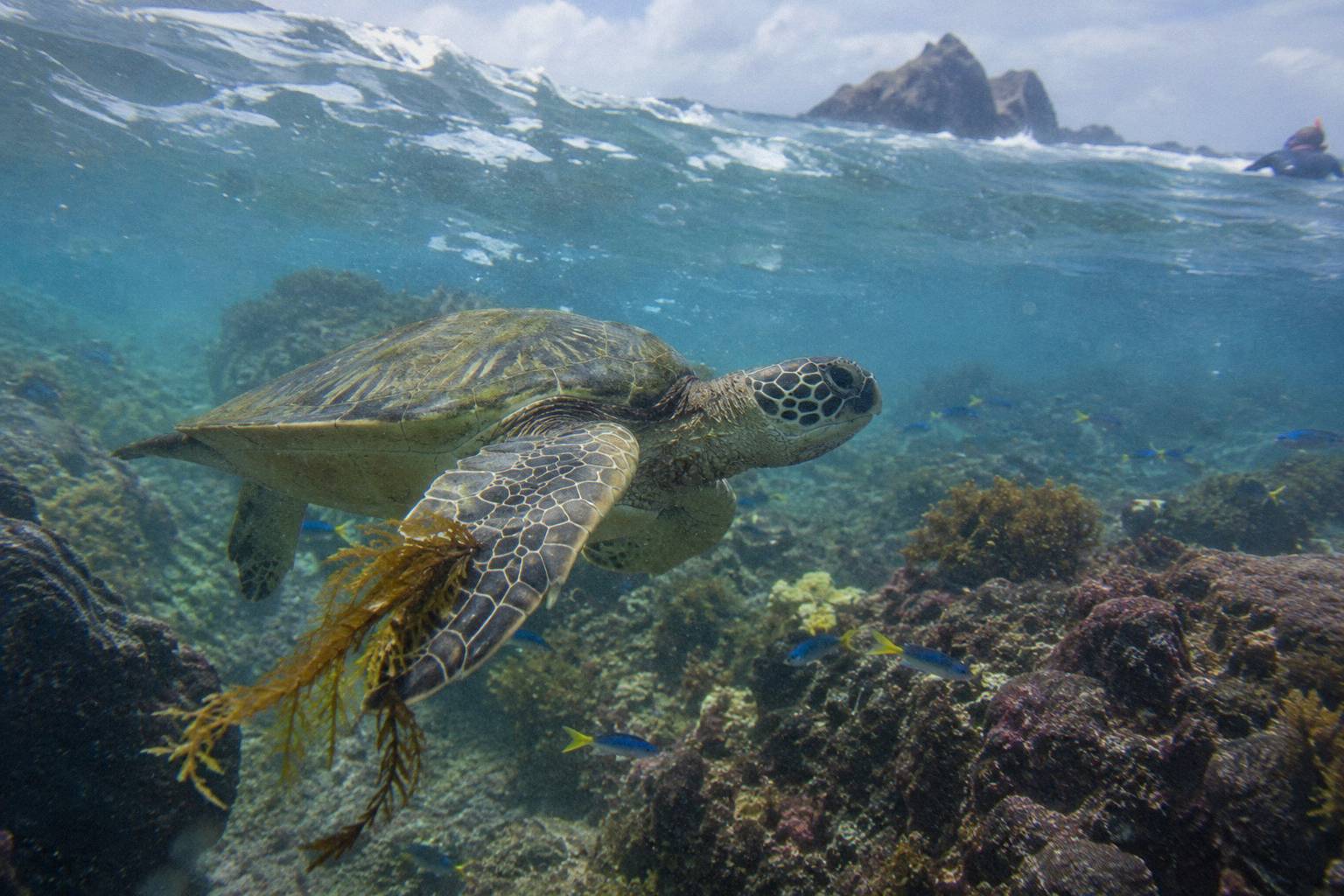
Water temperature shapes the summer experience more than most visitors expect. One operator's dive-site page says winter water can drop to 17 °C with an average around 20 °C, which is its figure for its own site; no official monthly sea-temperature record was found in the sources, so no month-by-month table belongs on this page. What follows from the operator's own advice is that wetsuits are standard issue, and Byron Bay Dive Centre includes fins, mask, snorkel and wetsuit and advises 5 mm long suits for the duration of the swim. If your question is whether you will be cold, the answer lives on the do I need a wetsuit at Julian Rocks post and in the operator's gear list, not in a temperature chart.
Manta rays are the sleeper prize of the same window. The same operator page that gives the leopard shark season groups mantas with summer months, and a manta passing through the shallow water a snorkeller occupies is, on the operators' wording, at least as plausible a summer sighting as a leopard shark in the dive zone. Neither is promised. If the shark family in general is what draws you, the Byron Bay sharks guide for snorkellers covers what species are realistic from the surface and which are not.
The species and season picture, as the sources state it, stacks up like this:
| Marine life | Stated season | Where the sources place it | Snorkel visibility |
|---|---|---|---|
| Leopard sharks | December to April (one dive operator) | Needles sandy arena, a dive site | Not stated for snorkel trips |
| Manta rays | Summer months (one dive operator) | Same page, warmer months | Not stated |
| Grey nurse sharks | June to November (one dive operator) | Sand trenches, 8 to 24 m dive depths | Rarely seen on snorkel trips |
| Turtles (green, hawksbill, loggerhead) | All year | Shallow sheltered areas, 3 to 12 m | Listed for snorkel trips, never guaranteed |
| Rays, wobbegong, eels, octopuses, nudibranchs | All year | Needles and Line of Smiles (dive sites) plus shallows | Partly; varies by site |
The park rules are not trivia here; they shape the trip you are booking. Because trips tie up to shared moorings with a 2 hour cap, your in-water time is bounded, and because the sanctuary zones protect every species, the leopard sharks you are chasing are fully protected animals in a no-take zone. The Department of Primary Industries and Regional Development page on Cape Byron Marine Park sets out the zones, and the NSW National Parks page on Nguthungulli Julian Rocks Nature Reserve covers the reserve itself.
What Should You Ask The Booking Desk Before Committing?
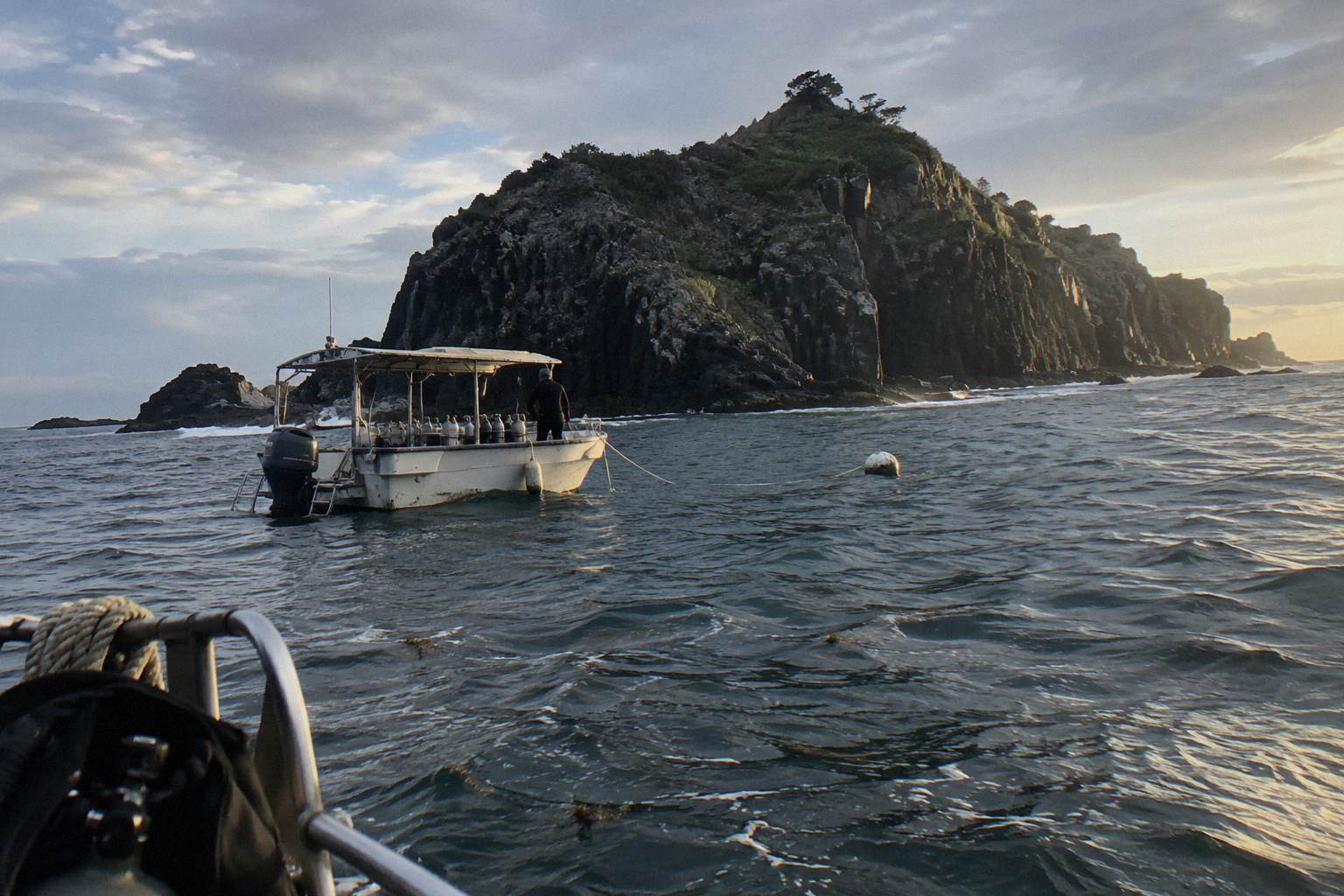
Four questions do most of the work: which site around the rocks does this trip snorkel, does that site ever overlap the sandy areas where leopard sharks gather, what happens to the route if conditions change, and what is the reschedule or refund policy if weather cancels the day. The sources do not answer these for any specific trip, so the booking desk is the authority, and any honest operator will answer them in a minute.
The first question is the decisive one and it is worth phrasing precisely. Do not ask "will we see leopard sharks", because no operator can answer that and a good one will say so. Ask "which side of the rocks will we snorkel, and is it the sheltered shallows or nearer the Needles". The answer tells you whether your swim overlaps, even partially, the sandy arena one dive operator names as the leopard sharks' summer ground. The second question covers the day's reality: conditions at an open-ocean site change, and the skipper's site choice on the morning matters more than any brochure.
| Question to ask | Why it matters | What a good answer sounds like |
|---|---|---|
| Which site around the rocks does the trip use? | Leopard sharks are placed mostly at the Needles, a dive site; snorkel trips are described in shallows of 3 to 12 m | A named area or an honest "the sheltered side, conditions depending" |
| Has that site produced leopard shark sightings on snorkel trips? | No operator states this in writing; only the operator on the day knows | A plain yes, sometimes, or no, without a promise |
| What happens if swell or wind changes the plan? | The site is open ocean; strong swells, currents and winds are possible | A clear fallback site or a reschedule offer |
| What is the cancellation window and refund path? | Policies differ; weather cancels do happen | A specific window in hours and who processes the refund |
The policy question has a partial answer in the sources. Byron Bay Dive Centre's own FAQ states that if weather or sea conditions are unsuitable it contacts guests by text or phone and offers a full refund or reschedule, with a 48 hour cancellation window and a 100% fee inside it, and that bookings made through an agent follow the agent's policy. A third operator's home page states a 100% refund on cancellations up to 48 hours before, conditions applying. That 48 hour pattern is common but not universal, so confirm it on the live listing for whichever trip you book. The blog post on what happens when a Julian Rocks trip is cancelled for weather walks through the mechanics.
Fitness and age questions belong in the same call. Minimum ages differ by operator, with 5, 7 and 10 years appearing on operator pages, and the Byron Bay Dive Centre turtle trip states a minimum of 10. One operator requires previous open-ocean snorkelling experience and the ability to swim 200 m unassisted. These are not blanket rules across the roster; they are per-operator conditions, and the booking page for the trip you choose is the only reliable source. The can non-swimmers snorkel at Julian Rocks and how fit you need to be posts cover the honest version of that prep.
“This was an incredible experience! We got lucky with the conditions and saw a huge variety species. Loved this even more than when I snorkelled the Great Barrier Reef. Not to be missed!”
Which Month Should A Leopard Shark Chaser Actually Pick?
On the operator's stated season, any month from December to April qualifies, and the sources do not rank months within it. The practical tie-breakers are your own: water warmth peaks in midsummer, school holidays crowd January, strong northerlies can blow between September and Christmas per one operator, and April trades peak warmth for thinner crowds. Pick a month for those reasons, then ask the operator about site choice.
Since the sources hold no month-by-month data on sharks, and no official monthly sea-temperature record exists, the month choice comes down to general climate and crowd logic, stated here as planning reasoning rather than sourced fact. December sits at the season's opening with late-spring northerlies still possible on one operator's wording. January and February are the deepest, warmest part of the window and also the busiest weeks on the calendar. March keeps the warm water with quieter beaches once school returns. April is the last stated month, and it overlaps the manta season on the same operator page, which for many snorkellers is a fair trade.
One caution worth repeating once: the seasons above are one dive operator's wording, supported by a second operator's broader summer-and-winter framing, and the parks agency lists the species without seasons. The distinction matters when a booking page or a review leans hard on sharks. A leopard shark seen from a snorkel trip is a genuine, documented possibility inside the window, and the rest of this page exists because the sources stop short of promising it. The best month to snorkel Julian Rocks guide pulls the same discipline across the whole year.
Booking lead time is the last practical lever. Summer dates around the holidays are the tightest on any operator's calendar, and the post on how far in advance to book a Julian Rocks trip covers the pattern. If your dates are locked to school holidays, book early and choose a first morning with spare days behind it, so a weather cancel can be rescheduled rather than lost.
The Turtle School trip suits the leopard shark chase in one specific way: it meets in central Byron Bay and transfers you to the boat, which strips the drive out of a holiday morning, and its 3 hour format gives the day a little more slack than the 2.5 hour harbour departures. Whether it snorkels anywhere near leopard shark habitat is, again, a question for the desk on the day.
What If You Arrive Outside The Season?
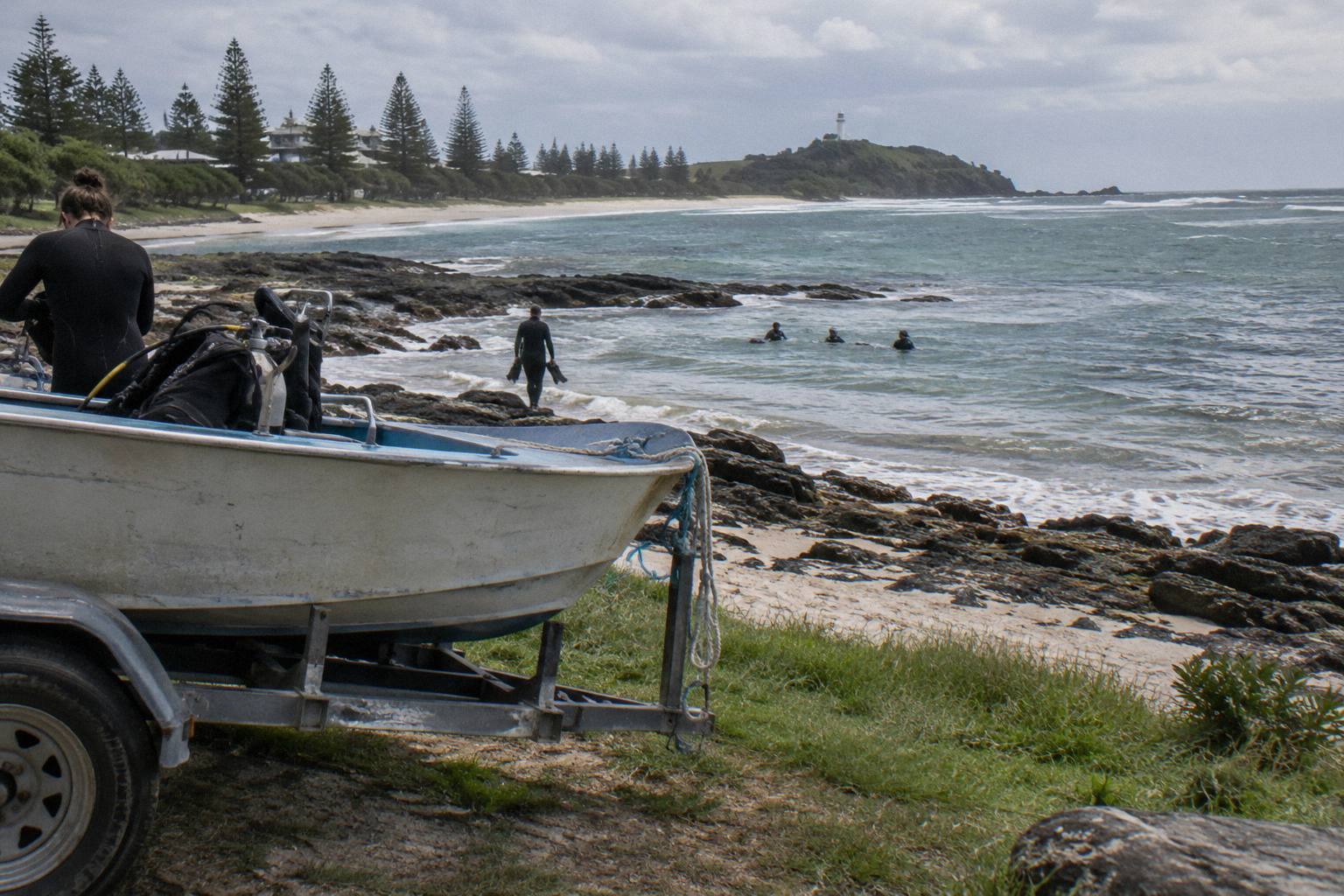
Outside December to April, the stated leopard shark window is closed, and the sources name no sightings outside it. What replaces it is not nothing: turtles and rays are listed all year, grey nurse sharks hold the cooler months at dive depths of 8 to 24 m and are rarely seen from a snorkel trip, and humpback whales pass on their own schedule, with one operator running whale trips May to November and another listing whale watching June to October.
A winter snorkel trip is a different product, not a lesser one. The water is cooler, with one operator giving a winter figure of 17 °C and an average around 20 °C, and the wetsuit that is included in every roster trip earns its keep. The turtle and ray listings carry no season at all, and the Byron Bay Dive Centre wording about turtles, that they can be spotted year-round throughout the whole day but cannot be guaranteed, is the same in July as in January. If sharks from the surface are the goal and your travel dates are fixed outside the window, the honest move is to lower the shark expectation to zero and book the trip for the reef itself. The Byron Bay water temperature by month guide and the post on whether Byron Bay water is too cold in winter handle the comfort side.
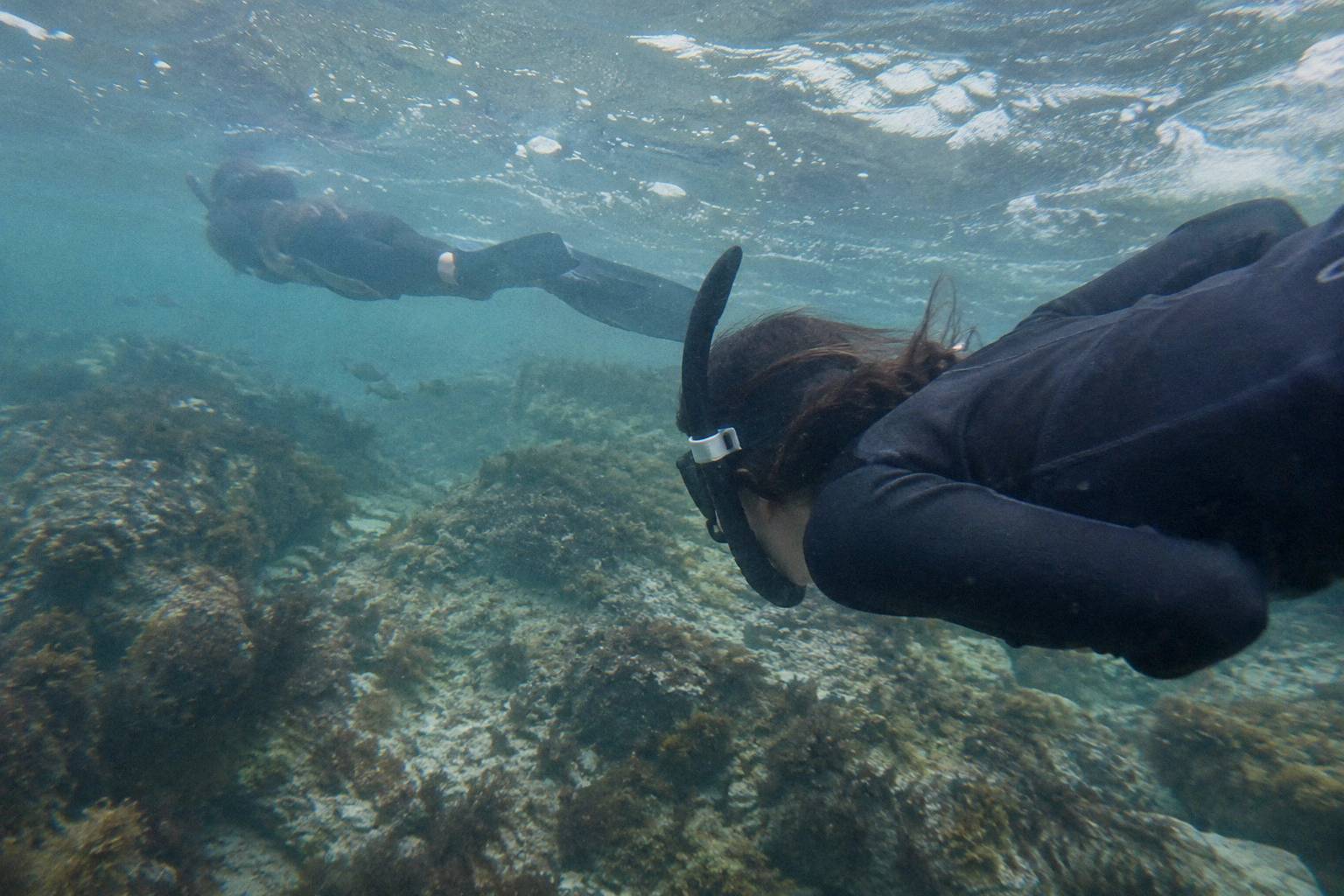
The whale seasons deserve their careful wording because the two operators differ. One dive operator runs whale trips between May and November and mentions seeing dolphins and whales when in season; Byron Bay Dive Centre lists whale watching June to October on its home page. Print both, believe both, and note that neither is a snorkel trip claim: whales are watched from boats, and no source here claims a snorkeller will share water with one. If your dates straddle the shoulder, a dedicated whale trip such as the Byron Bay whale watching with a marine biologist tour is the product that matches the claim, running about 2.5 hours with price and rating on its booking page.
There is also a surface alternative for the wildlife itch that does not depend on reef site choice at all. The dolphin kayak trips run about 2.5 hours each, with two operators on this site's roster, and dolphins around Byron Bay are a different proposition from reef sharks: they come to you or they do not, and the boat follows the pods rather than a mooring. The dolphin kayak versus snorkel trip comparison is the honest head-to-head if you are splitting a week between the two.
Byron Bay Dive Centre's second listing, the turtle-focused 3 hour snorkel from town, covers near-identical ground to its Turtle School product and exists as a separate booking page. If your dates fall outside the leopard shark window and turtles are your consolation target, this is the trip whose operator wording most directly addresses them, while still saying it cannot guarantee them.
Is It Worth Booking Around A Leopard Shark?
Yes, if you hold the promise loosely. A dive operator that knows the site lists a December-to-April season, trips run from AUD 94 upward, and summer marine life around the reef is described as rich regardless, but no source promises a reliable leopard shark sighting on a snorkel trip, so book a summer trip for the reef and treat any shark as a bonus.
That framing is not hedging for its own sake; it is what separates a good decision from a disappointed one. A snorkeller who books February expecting a leopard shark as a certainty is setting up a bad review of a good day. A snorkeller who books February for turtles, rays, clear summer water and the possibility of a spotted shark over sand has aligned expectations with everything the operators and the parks agency actually say. The gap between those two mindsets costs nothing to close and is the single most useful thing this page can tell you.
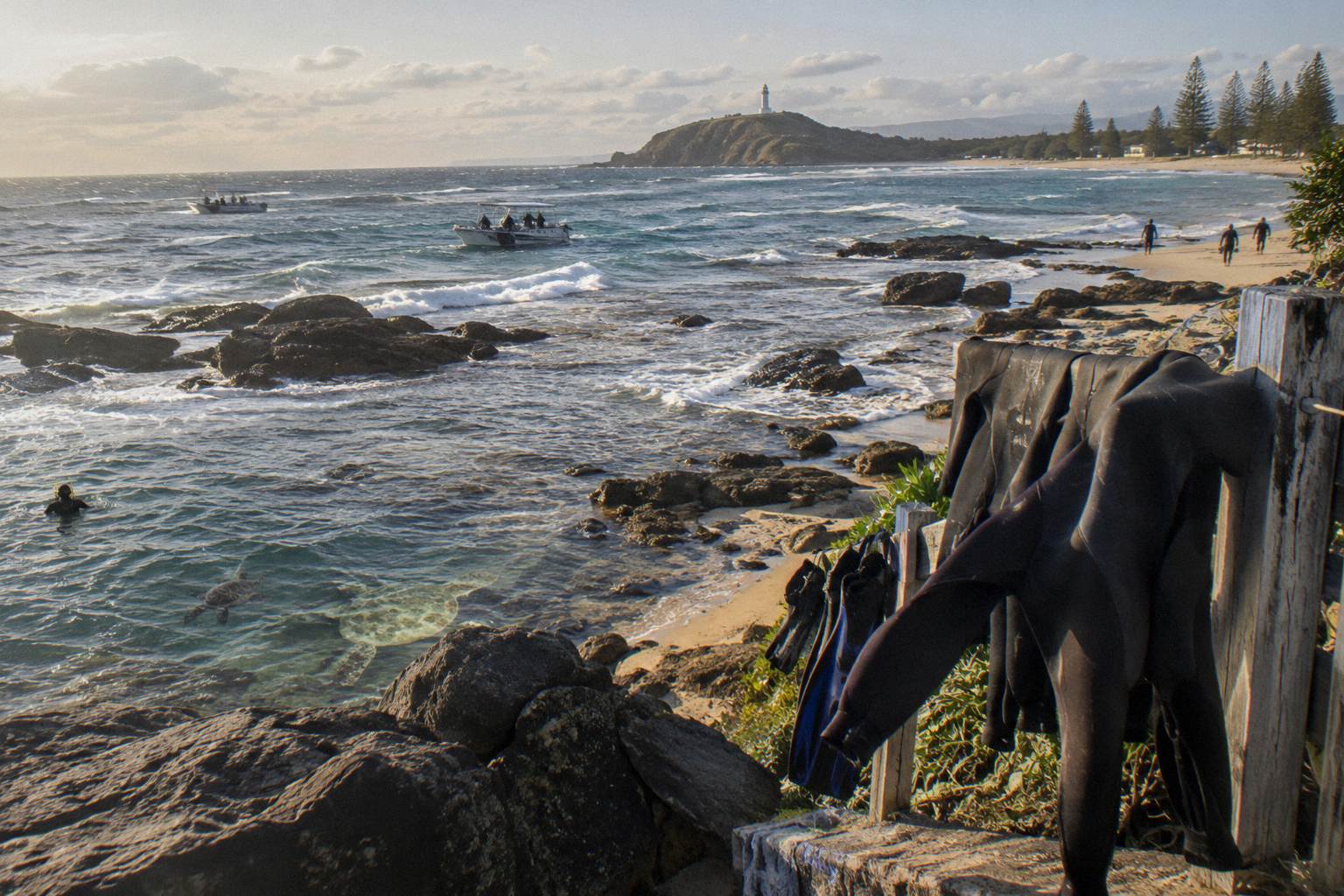
The checklist version: pick a month inside December to April, or accept the reef on its own terms outside it. Choose a trip by meeting point and duration rather than by rating, since ratings sit on different listing pages and say more about the day than the sharks. Ask the booking desk which site the trip uses before you pay. Book the first calm morning of your stay with spare days behind it, so weather has somewhere to go. And carry the park's frame with you: every animal out there is protected in a sanctuary zone, fish feeding is prohibited, and the mooring clock bounds your water time, which is a fair deal for access to a reef this alive. More of that context sits in the Cape Byron Marine Park snorkel rules guide.
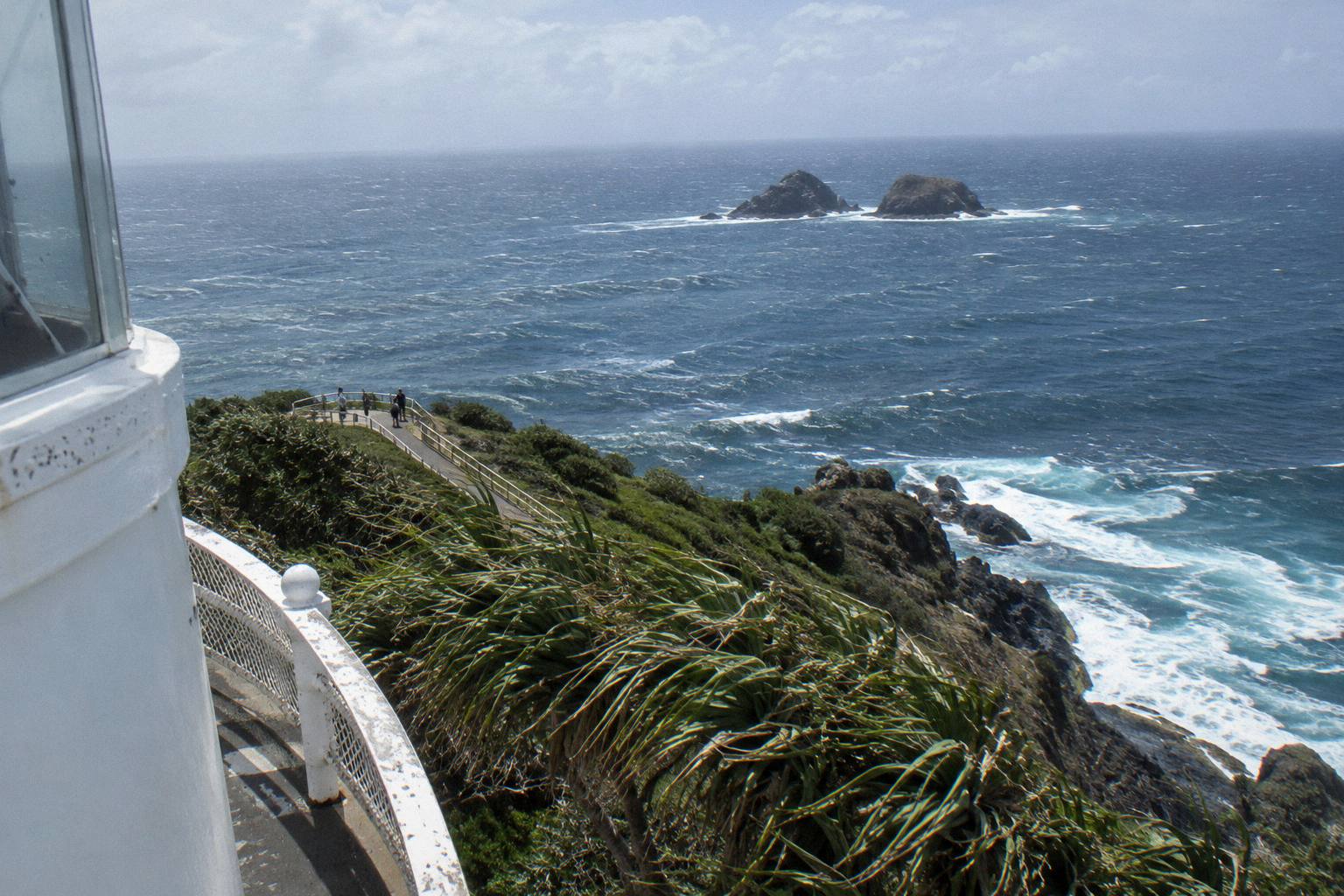
This is the point where the honest site says what it is: Julian Rocks Snorkelling tracks these trips, seasons and rules so the planning lives in one place, and the facts on this page come from the operators' own pages and the NSW agencies that manage the park. When a number here has moved, the live listing has the current one. If a leopard shark crosses your path in the shallows between December and April, it will be because the season, the site and the skipper's morning judgement lined up, which is exactly why it will be worth the trip.
Common Questions About Leopard Sharks At Julian Rocks
When Are Leopard Sharks At Julian Rocks?
One dive operator places them mostly in the Needles sandy arena during the warmer months from December to April. That is the only stated season in the sources, it is operator wording rather than a guarantee, and no count or odds are given.
Will I See A Leopard Shark On A Snorkel Trip?
No source states that a snorkel trip reliably sees one. The Needles, where the operator places them, is a dive site, and snorkel trips are described in shallow sheltered areas of 3 to 12 m. Ask the operator which site your trip uses before booking.
Are Leopard Sharks Dangerous To Snorkellers?
The sources here say nothing about leopard shark behaviour toward people, so this page makes no safety claim either way. What is stated is that all species in the sanctuary zones are protected, fish feeding including shark feeding is prohibited, and the operators' snorkel trips run in shallow sheltered water.
What Sharks Can Snorkellers See Outside The Leopard Shark Season?
Grey nurse sharks hold the cooler months, June to November, but in sand trenches at dive depths of 8 to 24 m, and they are rarely seen on snorkel trips. Wobbegong are listed all year at dive sites. No shark sighting of any species is promised.
Which Month Is Best For A Julian Rocks Snorkel Trip?
The sources give the leopard shark season as December to April and rank no month within it. Choose on water warmth, crowds and your own dates, then ask the booking desk about site choice for the day. The best month to snorkel Julian Rocks guide covers the year-round picture.
Do The Whale Seasons Overlap The Leopard Shark Months?
Partly. One operator runs whale trips between May and November and another lists whale watching June to October; both were stated by their own operators and are boat trips, not snorkel trips. Neither source claims whales on a snorkel trip.