Julian Rocks In Byron Bay: What To Know Before You Get In The Water
Julian Rocks, officially Nguthungulli Julian Rocks, sits about 2.5 km off Byron Bay inside Cape Byron Marine Park. Here is what that means for the snorkel trip you are weighing: the rules, the meeting points, the seasons and the trips that go there.
Short answer
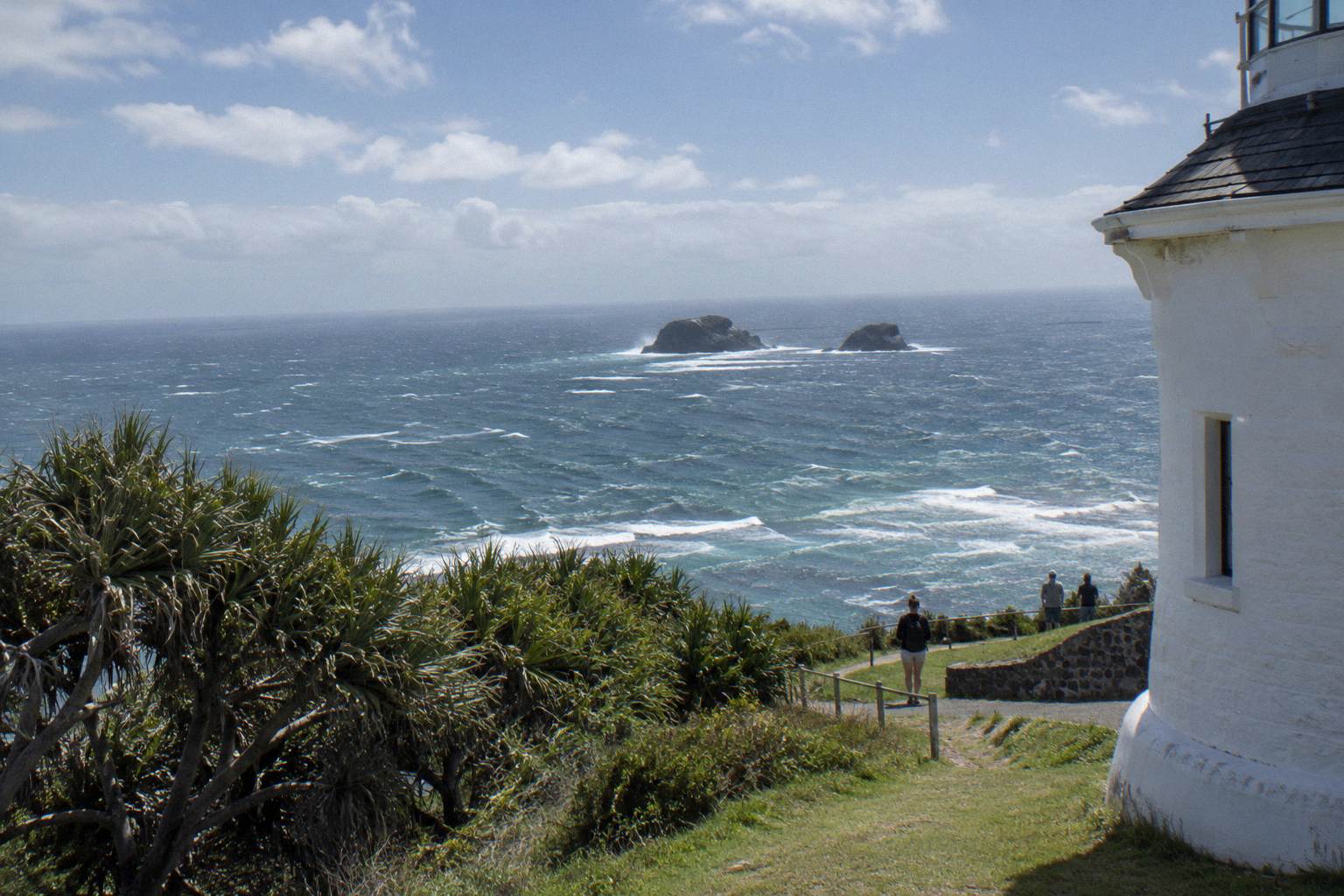
Nguthungulli Julian Rocks lies about 2.5 km offshore in Cape Byron Marine Park, a short boat ride from Byron Bay. Snorkelling is permitted in its no-take sanctuary zone, where anchoring is banned within 700 m and boats slow to 4 knots. Three main booking-page trips visit the rocks, from AUD 94 per person.
Most people looking up Julian Rocks are really weighing one decision: whether to give half a day of a Byron Bay trip to a boat, a wetsuit and a stretch of protected water. The rocks deserve the deliberation. They sit inside a no-take sanctuary zone of Cape Byron Marine Park, a place where the East Australian Current meets cooler southern water and the mix supports an unusual concentration of marine life a few minutes from one of Australia's best-known beach towns. This guide is the orientation: where the rocks are, what the rules are, how the trips actually run, and which booking-page trips go there. The trip details, prices and ratings below come from the operators' booking pages and the NSW Government sources that govern the site.
Where Is Julian Rocks And How Far From Byron Bay?
Nguthungulli Julian Rocks sits about 2.5 km off Byron Bay, inside Cape Byron Marine Park, and the operators put the boat ride from Byron Bay at about 5 minutes, or 5 to 10 minutes on the Byron Bay Dive Centre's own FAQ. The rocks are close enough that a trip is a half-day affair, not an expedition, which is a large part of their appeal.
The marine park itself runs about 37 km of coast, from the Brunswick River north training wall down to Lennox Head, and covers about 220 square kilometres of state waters out to 3 nautical miles. It was established in November 2002, with zoning and rules commencing in May 2006, under the management of NSW marine park authorities. The park's character comes from the East Australian Current pushing warm tropical water south until it meets cooler temperate water, and the Bundjalung People of Byron Bay (Arakwal) hold a strong association with the land and sea in the park's northern parts, with Jali people associated with the southern section. That convergence is why a single snorkel can put tropical and temperate species in the same field of view.
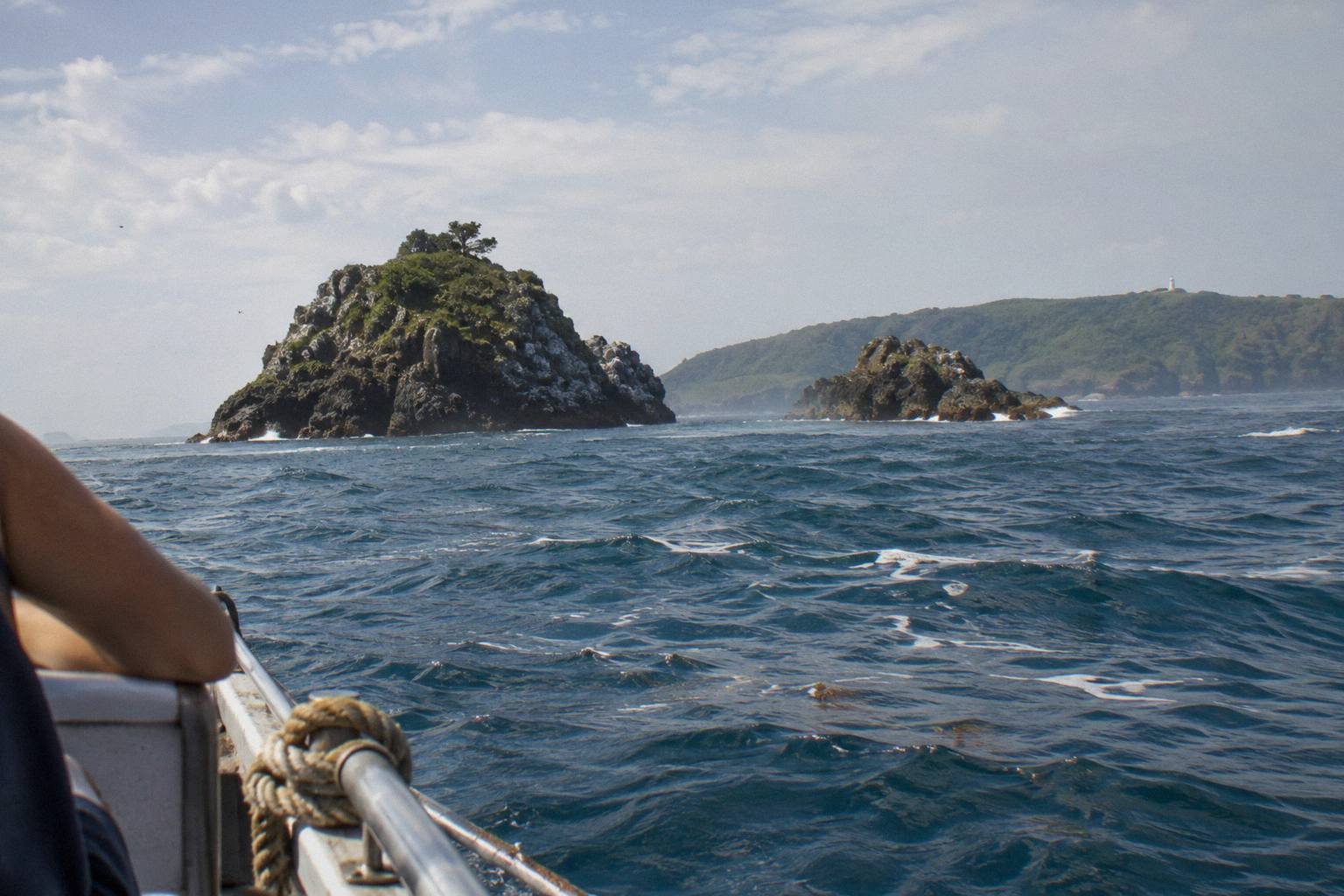
One point about the geography: the 2.5 km figure and the boat-ride times are the distance facts on file. From Brunswick Heads Boat Harbour, where two of the operators meet, the listings put the speedboat ride at 15 minutes. If you are choosing a trip partly for the harbour it leaves from, read the meeting point details further down and check the ride time with the operator directly. For a fuller picture of how the rocks sit relative to the town's beaches, the question of whether you can swim to Julian Rocks from the beach is answered separately.
| Fact | Figure | Source |
|---|---|---|
| Distance offshore | about 2.5 km | operator pages |
| Boat ride from Byron Bay | about 5 minutes, or 5 to 10 minutes | operator pages, Byron Bay Dive Centre FAQ |
| Marine park coastline | about 37 km, Brunswick River to Lennox Head | DPIRD |
| Marine park area | about 220 km2 of state waters to 3 nautical miles | DPIRD |
| Park established | November 2002, zones from May 2006 | DPIRD |
Why Do Snorkellers Rate The Water Around Julian Rocks?
The rocks sit where warm and cool currents mix, and operators attribute to that mix "over 1000 marine species" and "more than 500 different species of fish", their own marketing wording rather than an official count. The Department of Primary Industries and Regeneration's plain description is that the rocks are home to sharks, rays, turtles, eels, starfish and corals.
Those two claims are different in kind and worth separating. The DPIRD page is a government agency describing a protected site: sharks, rays, turtles, eels, starfish and corals, full stop. The four-figure species counts come from dive operators talking up their own backyard, and while nobody official disputes that the site is rich, the counts are the operators' estimates and should be read that way. What is not in dispute is the mechanism. The East Australian Current carries tropical larvae south, cooler water pushes temperate species north, and the rocks are a fixed hard surface in the middle of the blend where both sides of the fauna list can settle.
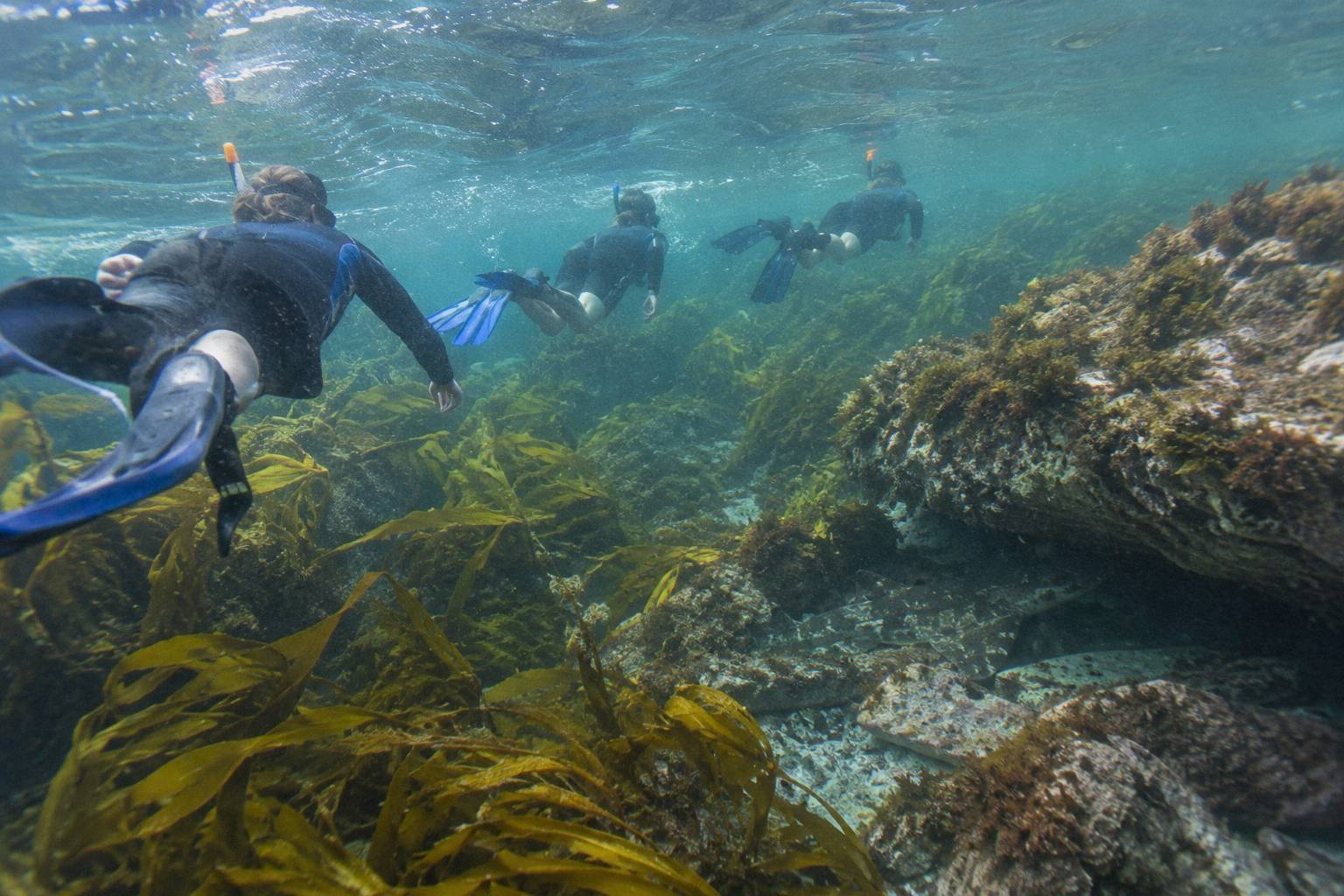
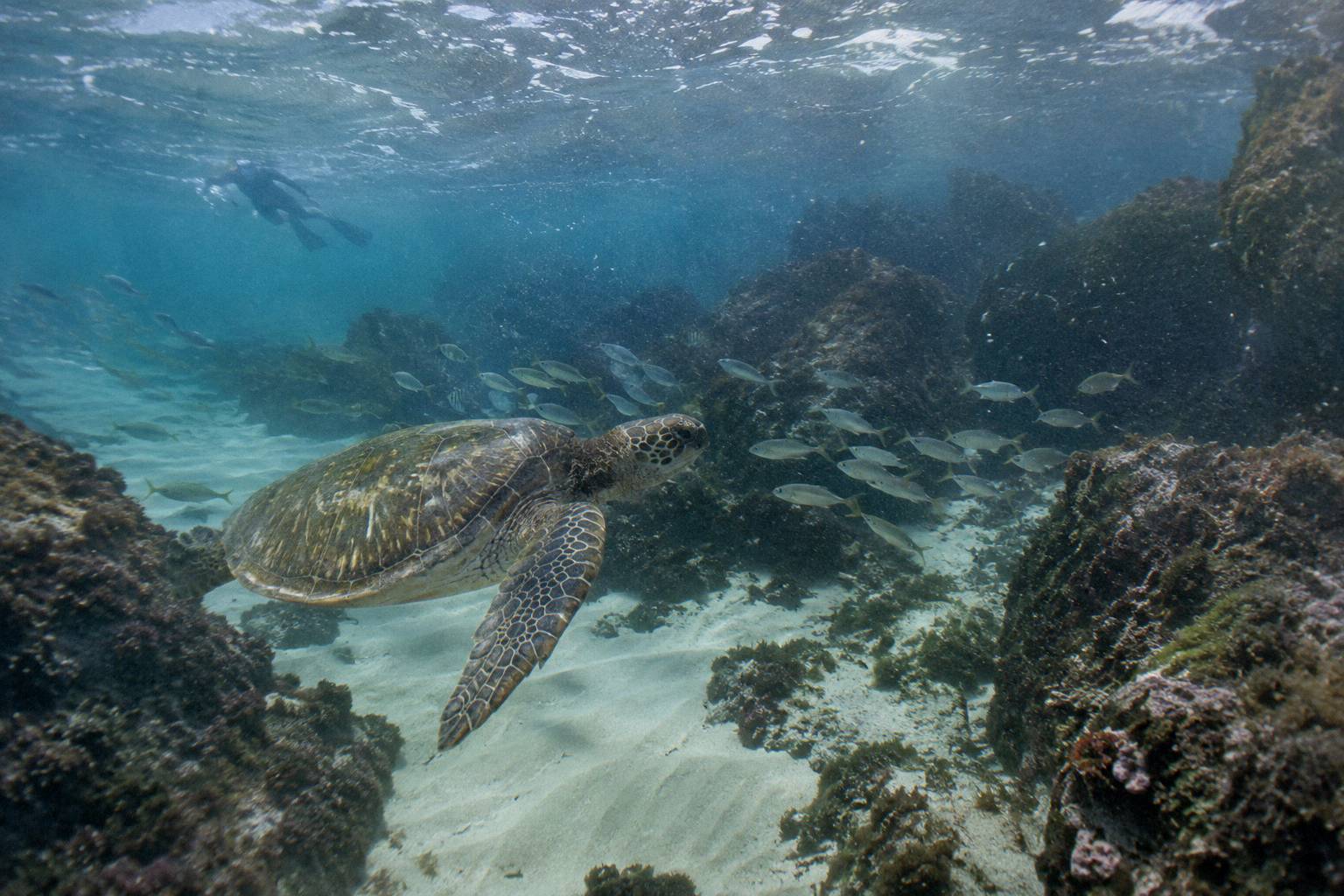
For a snorkeller, the practical version of all this is seasonal. Operators describe manta rays and leopard sharks in the summer months, and endangered grey nurse sharks in the cooler winter water, though the grey nurses gather in the deeper sand trenches at diving depths of 8 to 24 m rather than the shallow 3 to 12 m where snorkel trips stay. Turtles, rays, crustaceans, nudibranchs, octopuses, eels and fish are described as present all year, with the standing caveat from Byron Bay Dive Centre that sea turtles "can be spotted year-round throughout the whole day" but "we can't guarantee sea turtles will be there". If you are timing a visit around a particular animal, the Julian Rocks marine life guide breaks the seasons down species by species, and the best month to snorkel Julian Rocks weighs water temperature against sightings.
Three booking-page trips cover most of the Julian Rocks snorkel demand, and they differ more in meeting point and trip shape than in what you see once your face is in the water:
The featured trip here, the Blue Seafaris Julian Rocks Snorkelling Tour, is described on its booking page as biologist-guided, runs about 2.5 hours, is rated 4.5 across 448 reviews, and costs from AUD 94 per person. The two alternatives in that band are covered in detail in the trips section below.
What Rules Protect The Rocks, And Do They Affect Your Trip?
The rocks sit in a sanctuary zone, the highest level of protection in the marine park: no-take, with all fishing and collecting banned and anchoring on reefs prohibited. Snorkelling is explicitly permitted, so the rules constrain the boats far more than the swimmers, but a few of them reach you directly.
Sanctuary zones cover 6,118 hectares, or 27.5% of Cape Byron Marine Park, according to the DPIRD user guide. Permitted activities inside them are those that do not harm any animal, plant or habitat, and the DPIRD zones page names boating, surfing, snorkelling, diving and permitted research and education among them. So the swimming you are booking is squarely legal and expected. What the zone changes is everything around the swimming: no taking, no collecting, no fishing of any kind.
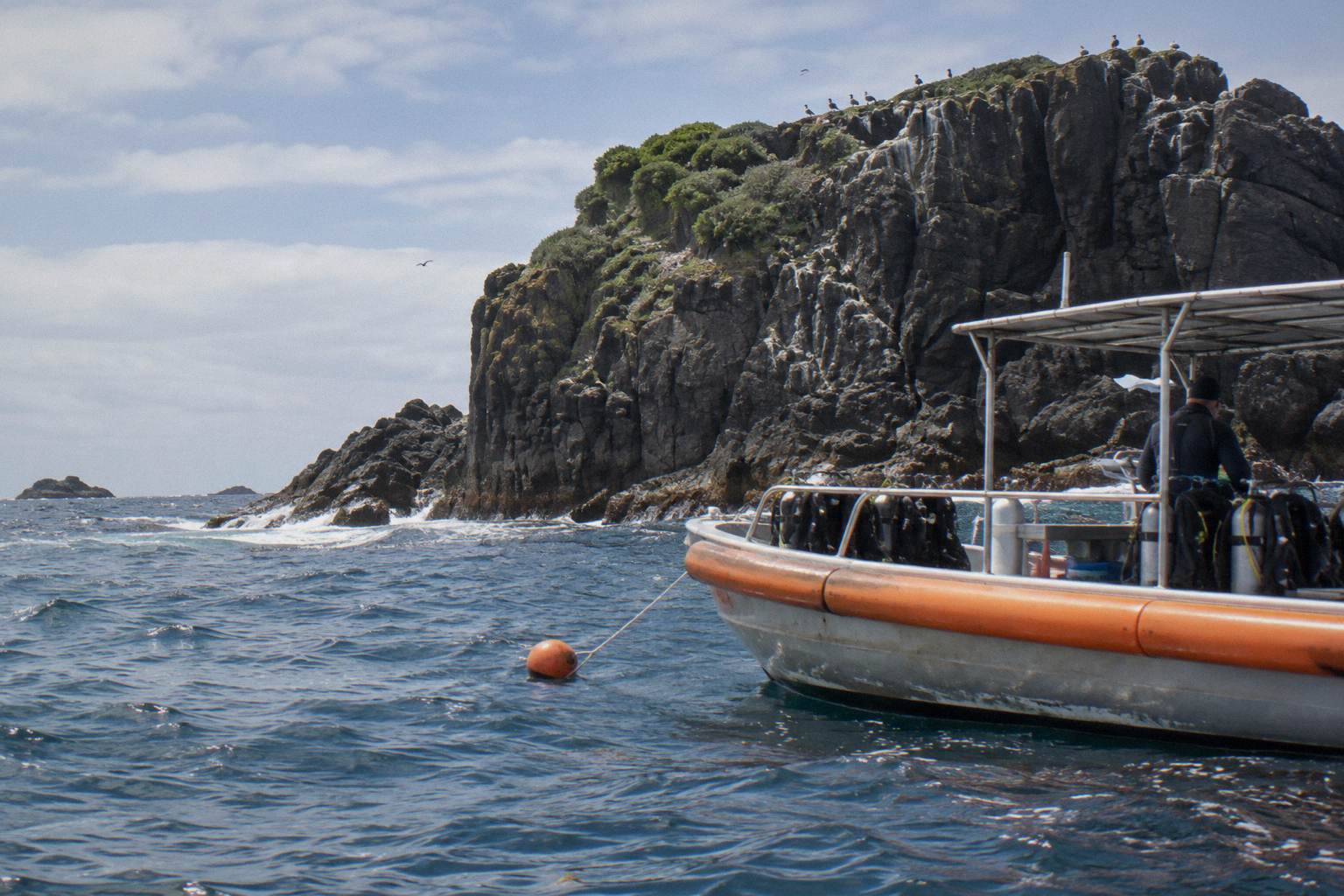
The vessel rules explain why your trip looks the way it does. Anchoring is not permitted within 700 m of Julian Rocks, nor on any reef in a sanctuary zone, so the boats use the seven Marine Parks moorings at the rocks instead. Those moorings take vessels up to 15 tonnes or 10 m in winds of 24 knots or less, with a maximum stay of 2 hours per vessel, no fishing from a vessel on a mooring and no rafting up. Vessels must also limit speed to 4 knots within 200 m of the rocks. The practical upshot is a tight, quiet, time-boxed visit: your boat glides in on a mooring, and the clock starts. The full detail on what snorkellers can and cannot do is in the Cape Byron Marine Park snorkel rules guide, published on the DPIRD Cape Byron Marine Park page and the June 2018 user guide PDF.
A few rules reach you in the water. Fish feeding, including shark feeding, is prohibited throughout the marine park. All species are protected in sanctuary zones, which on the NSW Government's pages extends to prohibitions on collecting or destroying animals and on spear fishing at the rocks. The rocks themselves are a bird sanctuary, hosting gulls, terns, tattlers, cormorants and plovers. Byron Bay Dive Centre's guest rules are a fair summary of etiquette everywhere here: waterproof cameras only, no flash, and do not touch, collect or harass marine life. Those are the limits of what is on file, and this site states nothing beyond them.
What Does The Name Nguthungulli Mean?
"Nguthungulli" is the Bundjalung word for "Father of the World", and the dual name Nguthungulli Julian Rocks was officially adopted in July 2023. The NSW National Parks page for the site now carries the title "Nguthungulli Julian Rocks Nature Reserve", so the older name alone is increasingly out of date.
The renaming is recent enough that plenty of maps, brochures and conversations still say just "Julian Rocks". The dual name is the official form. One dive operator calls Nguthungulli "the local Arakwal name", which is that operator's own wording; the documented account is that it is a Bundjalung word. There is also a reported Bundjalung story, relayed through Wikipedia citing a published source, in which a spear broke a canoe in two and the two halves became the rocks. It is told here only as a reported story, not as established fact, but it is the story most often attached to the site and it explains why the two main rock masses are treated as a pair.
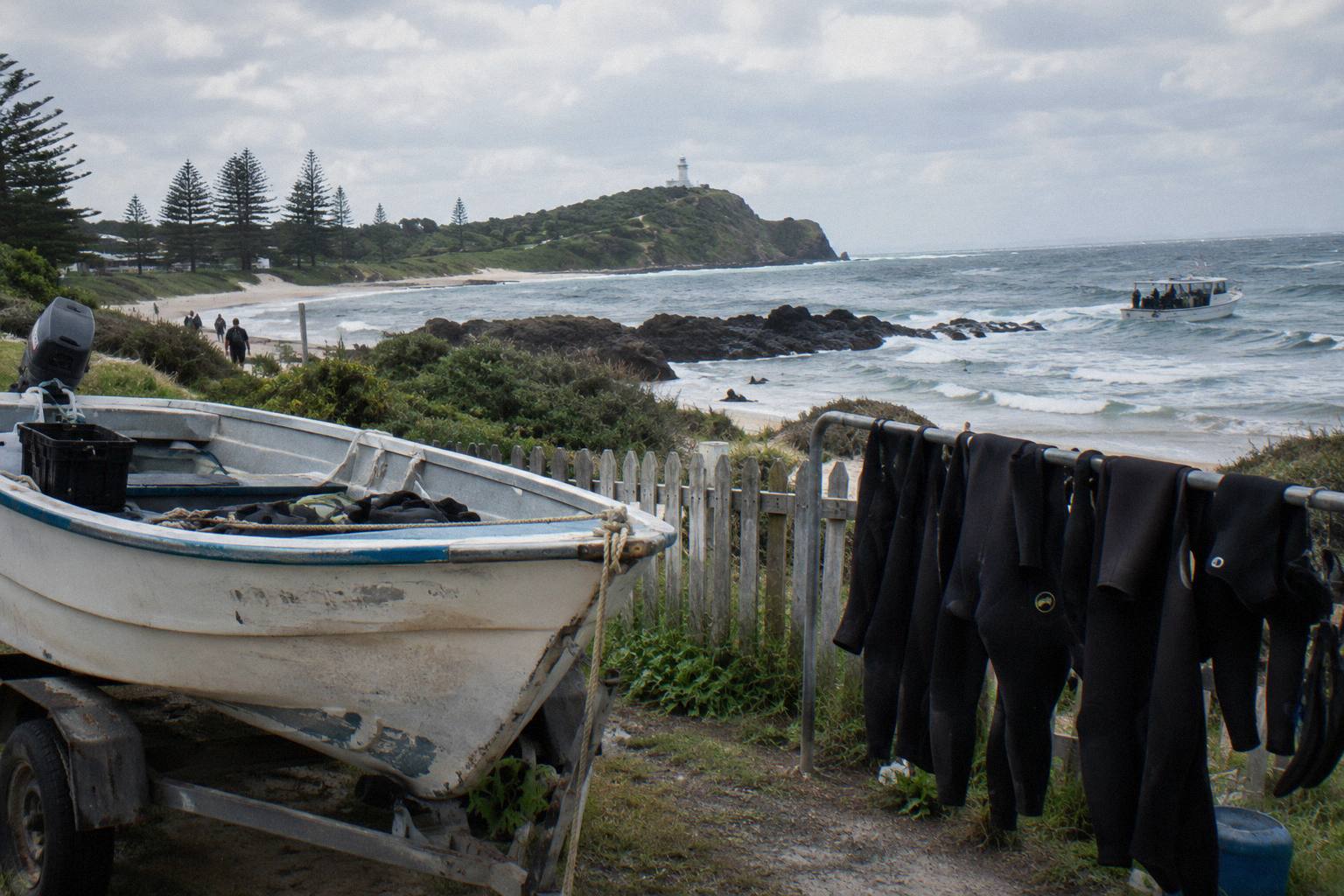
What is deliberately not stated here is the size of the nature reserve itself, because the available sources disagree on a figure, and neither the establishment year of the reserve nor any fishing-ban radius beyond the anchoring rule above appears in verified sources. Nothing is claimed here about landing on the rocks either way. The Wikipedia article on the nature reserve and the NSW National Parks page are the primary references for the name and the reserve.
How Does A Snorkel Trip To Julian Rocks Actually Work?
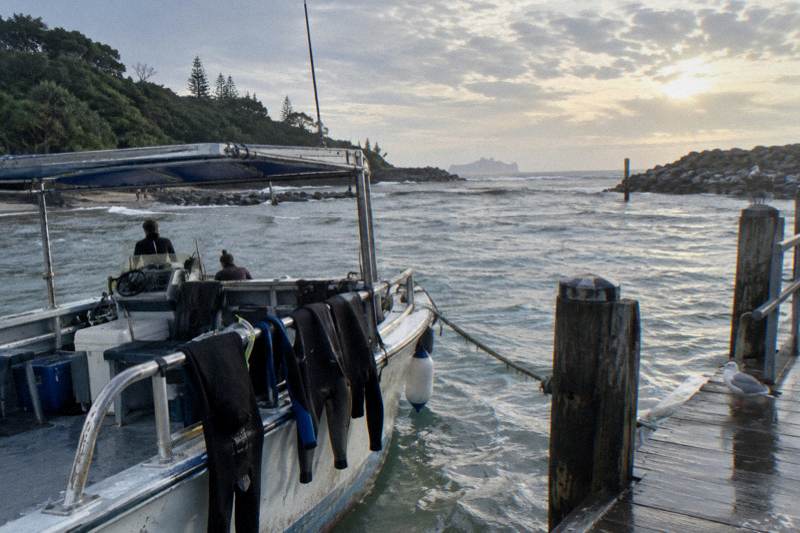
A Julian Rocks snorkel trip is a half-day loop: check in, gear up, a short boat ride, roughly an hour in the water in shallow sheltered areas 3 to 12 m deep, and a ride back. The trips on file run about 2.5 to 3 hours total, with Byron Bay Dive Centre's turtle trip allowing about 60 minutes in the water.
“This was a great active tour, saw some amazing marine wildlife. I would say if you are inexperienced or nervous then be aware it is out in the ocean and can have strong currents but if your comfortable with that then its amazing.”
The shape is consistent across operators even when the details differ. The booking pages describe trips of about 2.5 hours for Blue Seafaris and Out Of The Blue, and about 2.5 hours for the two Byron Bay Dive Centre trips. The in-water portion is where the value sits, and the 60-minute figure for the Sea Turtle Snorkel Tour is the one explicit number on file; the other operators publish total durations but not a precise water time, so ask when booking if that matters to you. Snorkel trips stay in the shallow, sheltered parts of the site rather than the deeper dive terrain, which is why the 3 to 12 m depth range is the relevant one for you rather than the 8 to 24 m the divers use.
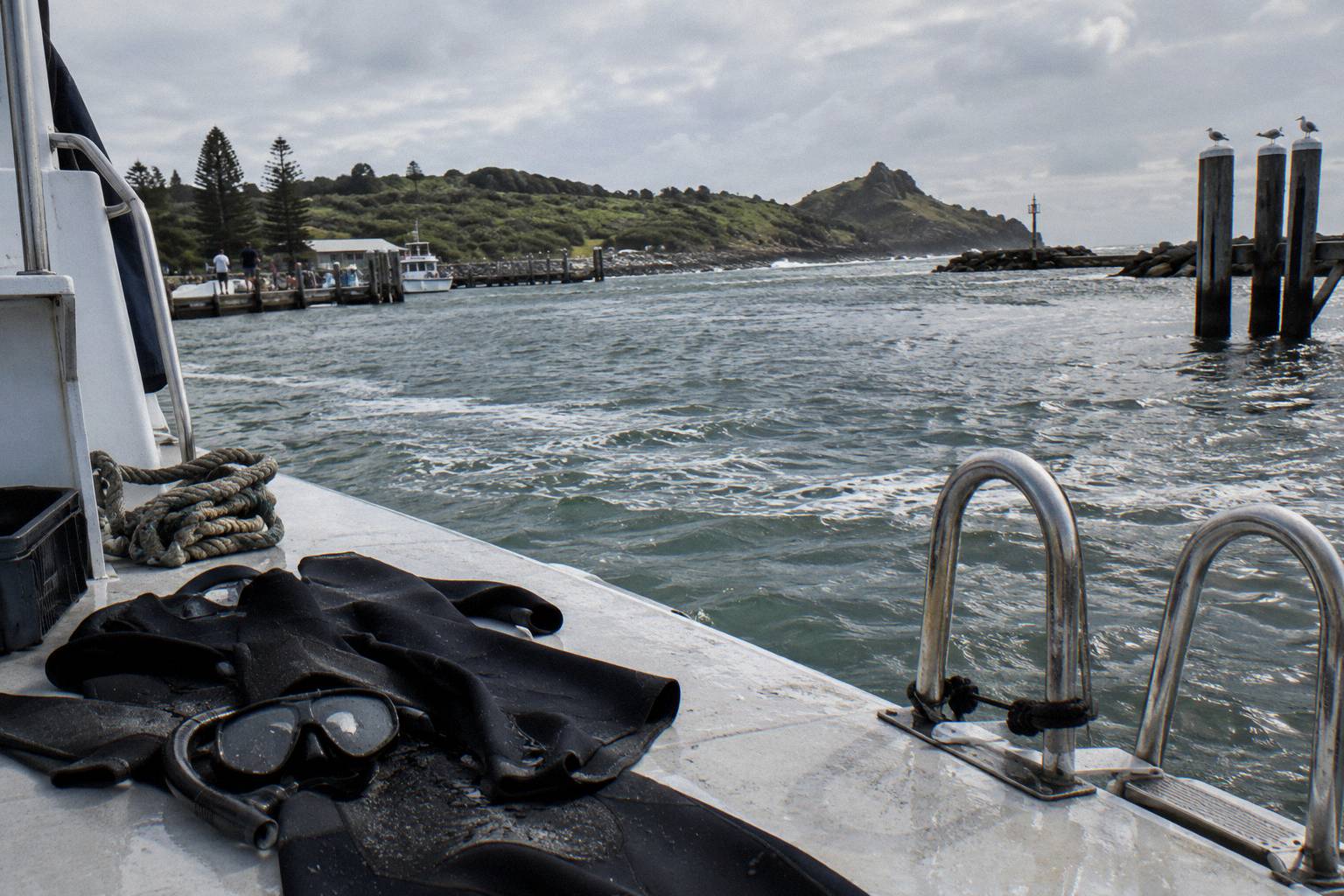
Gear is generally included. Byron Bay Dive Centre includes fins, mask, snorkel and wetsuit, advises 5 mm long wetsuits for the duration of a trip, and carries no prescription masks, though contact lenses are fine. Lifejackets are on board, and for nervous snorkellers the operator suggests a long wetsuit or a pool noodle for buoyancy. Ginger seasickness tablets are on the boat, and the operator recommends bringing your own if you are prone; the question of whether you will get seasick on the Julian Rocks boat is worth settling before you board, because it is open ocean with strong swells, currents, surges, cold water and winds all possible. For a fuller walkthrough of the day itself, read what happens on a Julian Rocks snorkel day.
Which Trips Visit The Rocks, And How Do They Differ?
Three booking-page snorkel trips visit Julian Rocks: Blue Seafaris from AUD 94 per person rated 4.5 across 448 reviews, Out Of The Blue from AUD 94 rated 4.4 across 167 reviews on its main page, and Turtle School, about 2.5 hours, whose rating and price are on the booking page. A near-identical Byron Bay Dive Centre turtle snorkel is a fourth listing.
The differences that matter are meeting point, trip length and guiding style, not the reef. The Blue Seafaris trip is biologist-guided and about 2.5 hours from Brunswick Heads Boat Harbour. Out Of The Blue runs about 2.5 hours from the same harbour. Turtle School meets in Byron Bay town at Byron Plaza on Jonson Street, with transport to The Pass where the boat departs, and runs about 2.5 hours. The table below holds the printable figures; nothing else is on file.
| Trip | Duration | Price | Rating | Meeting point |
|---|---|---|---|---|
| Blue Seafaris Julian Rocks Snorkelling Tour | about 2.5 hours | from AUD 94 | 4.5 across 448 reviews | 43 Harbour Way, Brunswick Heads Boat Harbour |
| Out Of The Blue Julian Rocks Snorkelling Tour | about 2.5 hours | from AUD 94 | 4.4 across 167 reviews | Brunswick Heads Boat Harbour, NSW 2483 |
| Turtle School Julian Rocks Snorkelling Tour | about 3 hours | on the booking page | on the booking page | Turtle School, Byron Plaza, Jonson Street, Byron Bay |
| Byron Bay Dive Centre Sea Turtle Snorkel | about 2.5 hours | not printed | not printed | check the meeting point on the booking page |
A note on the Out Of The Blue rating: a second booking page for the same trip shows 4.7 across 58 reviews. Both are real reads of the same operator's trip on different listings, which is why this guide prints both rather than picking one. On Turtle School, the sources genuinely disagree on price and rating, so nothing is printed at all; "rating and price are on the booking page" is the honest ceiling for that trip. The Sea Turtle Snorkel is Byron Bay Dive Centre's own turtle-focused listing of near-identical scope to Turtle School, on a separate booking page, and it carries the same 2.5-hour shape and 60-minute water time.
Out Of The Blue suits the same traveller profile as Blue Seafaris: someone staying anywhere near Brunswick Heads, or with a car, who wants the short harbour check-in. With identical from-prices of AUD 94 and near-identical durations, the tiebreaker is usually the guide style and the review pool shape, both of which are visible on the live listings.
“Amazing snorkelling experience! Guides were great- super friendly and knowledgeable!”
Turtle School, run by Byron Bay Dive Centre, is the pick for travellers without a car in Byron town. You meet at Byron Plaza on Jonson Street, get transported to The Pass, and the booking page notes there is no pick-up from accommodation. Its minimum age is 10 on the operator's page, and its cancellation policy is 48 hours with a 100% fee inside the window; if weather or sea conditions are unsuitable, the operator contacts guests by text or phone with a full refund or a reschedule.
The separate Sea Turtle Snorkel listing is worth a check whenever Turtle School dates are thin, since the two cover the same water on the same operator's boats. Whichever listing you book, the guide to choosing a Julian Rocks snorkel operator works through the remaining tiebreakers, and the Julian Rocks snorkel trip cost guide puts the from-prices in budget context.
Who Can Go, And What Are The Age And Swimming Rules?
The spread is real and it is the single most common booking mistake here. The Byron Bay Dive Centre turtle trip states a minimum age of 10. Another Julian Rocks operator, Sundive Byron Bay, sets its minimum at 7 and also requires previous open-ocean snorkelling experience plus the ability to swim 200 m unassisted, with children aged 7 to 18 needing an adult guardian and guests over 65 requiring GP clearance. A third operator, Wild Byron, sets minimum age 5, caps its tours at 12 passengers and uses a naturalist guide. None of these generalises: the minimum that applies to you is the one on the page of the trip you actually book, and for the Blue Seafaris and Out Of The Blue listings the answer is to ask the operator directly. Families weighing the decision have a dedicated page on kids on the Julian Rocks snorkel trip, and non-swimmers should read whether you can snorkel Julian Rocks as a non-swimmer before booking anything.
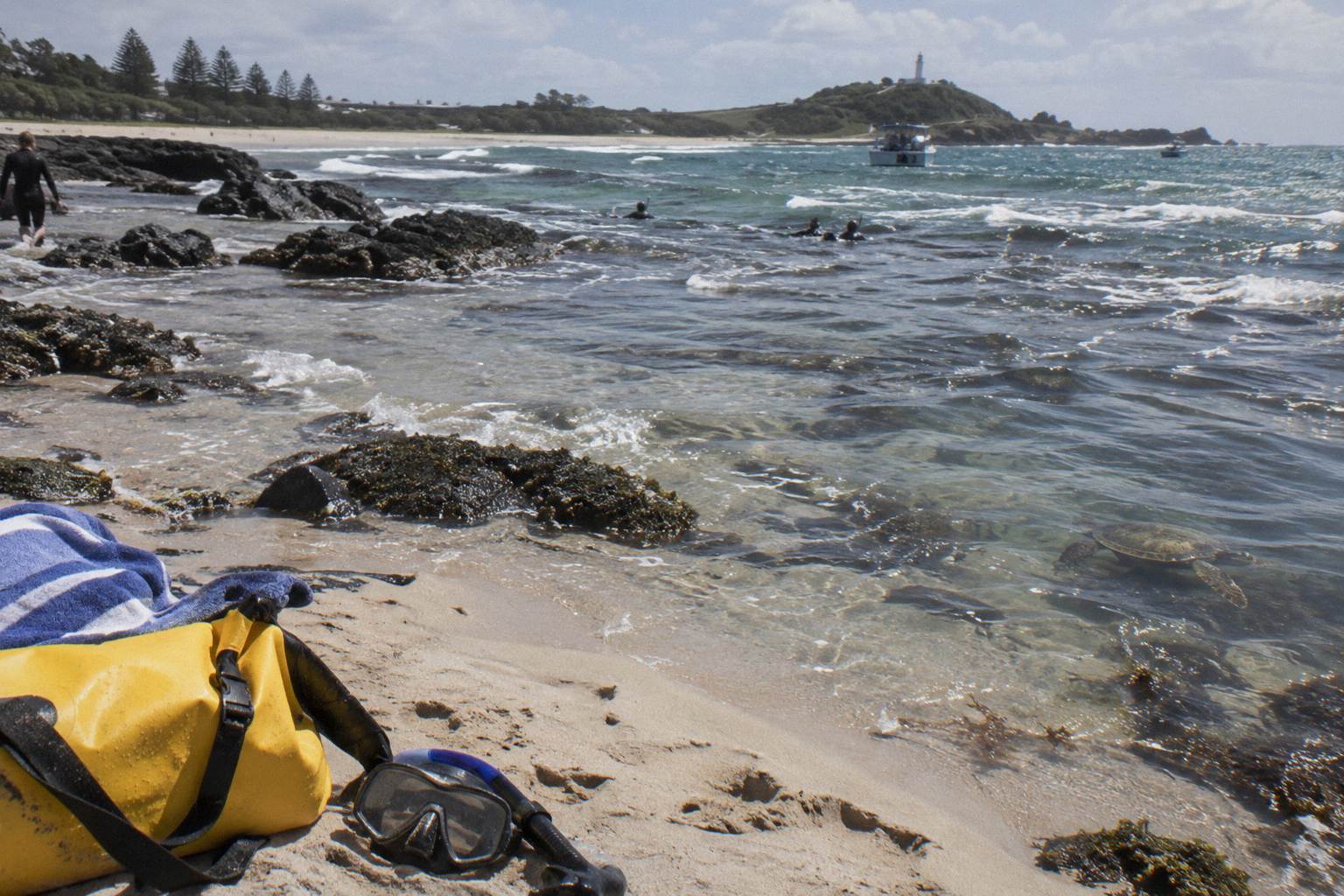
Byron Bay Dive Centre also prohibits guests with pregnancy or back or spinal injuries from its vessel-based activities. That is that operator's rule, printed here as its rule, not a site-wide law. Gear-wise its inclusions are generous: snorkel gear, wetsuit and transport from the central meeting point to The Pass are all in the turtle trip price.
| Trip or operator | Minimum age | Swimming requirement |
|---|---|---|
| Turtle School (Byron Bay Dive Centre) | 10 | able to swim at least 200 m unassisted in open ocean |
| Blue Seafaris booking page | none stated, ask the operator | comfortable swimming in open water |
| Out Of The Blue booking page | none stated, ask the operator | 200 m unassisted swim |
| Sundive Byron Bay | 7 | open-ocean experience, 200 m unassisted |
| Wild Byron | 5 | must be able to swim |
What About The Dolphin, Whale And Kayak Trips Nearby?
The two kayak trips, the Dolphin Kayak Tour run by Cape Byron Kayaks and the Byron Bay Sea Kayak Tour run by Go Sea Kayak Byron Bay, put you on the surface rather than under it, paddling from the beaches of Cape Byron with dolphins as the headline rather than the reef. The whale watching trip is run by Out Of The Blue Adventures, the same operator behind one of the Julian Rocks snorkel listings, with the boat leaving from Lance Ferris Wharf in Ballina. Humpback season framing differs between operators in the verified sources, with one dive operator running whale trips between May and November and Byron Bay Dive Centre's home page listing whale watching from June to October, so treat the season window as operator-specific rather than a fact of the bay. The whale season and your Byron Bay snorkel trip guide and the dolphin kayak versus snorkel comparison cover both properly.
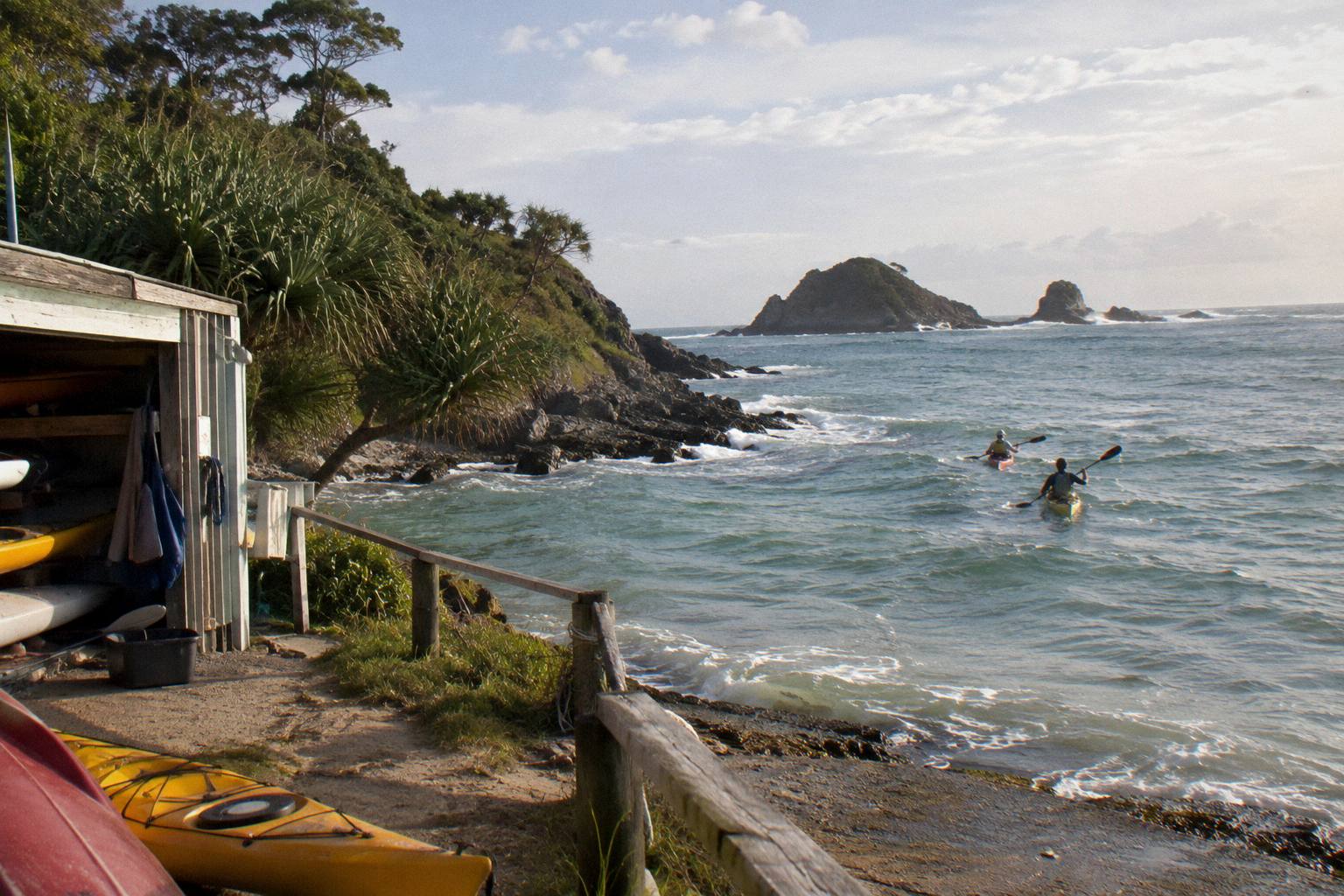
The reason to name these trips in a Julian Rocks guide is booking clarity. A traveller searching loosely for "Byron Bay marine life tour" can land on a kayak listing expecting a reef snorkel, or the reverse. The distinction is simple: the snorkel trips of the table above put you in the water at the rocks; the kayak and whale trips keep you on a boat or a kayak around Cape Byron. If your priority is turtles on the reef, book a snorkel trip, and check the meeting point on the booking page for any of the adjacent trips, since none of them prints one.
What Should You Settle Before You Book Any Trip?
Four things to lock down before paying: which harbour or meeting point suits your accommodation, the minimum age and swimming rules on that specific trip's page, the cancellation window, and the season you are actually travelling in. Everything else, including gear, is included by the operators on file.
“An unforgettable experience in a unique place, accessible to all with very friendly professionals. I highly recommend it.”
Meeting points first, because they split the roster cleanly. Blue Seafaris and Out Of The Blue both meet at Brunswick Heads Boat Harbour, at 43 Harbour Way on the Blue Seafaris page, a short drive north of Byron Bay town, and both listings put the speedboat ride from that harbour at 15 minutes each way. Turtle School meets at Byron Plaza, Jonson Street, in town, with transport to The Pass where its vessel departs, and no accommodation pick-up. For the Byron Bay Dive Centre Sea Turtle Snorkel, the whale trip and both kayak trips, no meeting point is printed: check it on the booking page. No trip covered here is documented as launching from Main Beach or Clarkes Beach, and trips do not all leave from one place, so attribute each meeting point to its own trip and plan accordingly.
| Question | What to check | Where it is answered |
|---|---|---|
| Meeting point | harbour versus town plaza versus beach departure | the trip's booking page |
| Minimum age | 5, 7 or 10 depending on the operator | the operator's own page |
| Cancellation | Byron Bay Dive Centre: 48 hours, 100% fee inside | operator FAQ |
| Season | leopard sharks Dec-Apr, grey nurses Jun-Nov at dive depths | operator dive-site pages |
| Water conditions | swells, currents and cold water possible | operator pages |
Cancellation deserves a direct read. The Byron Bay Dive Centre policy is 48 hours with a 100% fee inside that window, and if weather or sea conditions are unsuitable the operator contacts you by text or phone with a full refund or a reschedule; a booking made through an agent follows the agent's refund policy. A third operator advertises a 100% refund on cancellations up to 48 hours before, conditions applying. For the Blue Seafaris and Out Of The Blue listings, read the terms on the live listing at checkout. On timing your booking, how far in advance to book a Julian Rocks snorkel trip and where to check Byron Bay sea conditions close the loop.
Whichever you pick, the water at the rocks is the same protected, current-fed stretch of reef for everyone, and Julian Rocks Snorkelling exists to keep the practical detail on this page current and honest.
Common Questions About Julian Rocks In Byron Bay
Where Is Julian Rocks And How Far From Byron Bay?
Nguthungulli Julian Rocks sits about 2.5 km offshore inside Cape Byron Marine Park. Operators put the boat ride from Byron Bay at about 5 minutes, or 5 to 10 minutes per the Byron Bay Dive Centre FAQ. From Brunswick Heads Boat Harbour the listings state a 15 minute speedboat ride.
What Does Nguthungulli Mean?
It is the Bundjalung word for "Father of the World", and the dual name Nguthungulli Julian Rocks was officially adopted in July 2023. The NSW National Parks page for the site now reads "Nguthungulli Julian Rocks Nature Reserve".
Can You Snorkel At Julian Rocks Legally?
Yes. Snorkelling is a permitted activity in the sanctuary zone, which bans fishing, collecting and anchoring on reefs but explicitly allows non-harmful activities including snorkelling and diving. Fish feeding and touching or harassing marine life are prohibited.
How Much Does A Julian Rocks Snorkel Trip Cost?
The Blue Seafaris and Out Of The Blue trips both cost from AUD 94 per person on their booking pages. The Turtle School trip's price and rating are on its booking page, and no figure is printed for it here because the sources disagree.
Which Trips Visit Julian Rocks?
Three booking-page snorkel trips visit the rocks: Blue Seafaris, about 2.5 hours from Brunswick Heads Boat Harbour; Out Of The Blue, about 2.5 hours from the same harbour; and Turtle School by Byron Bay Dive Centre, about 2.5 hours from a town meeting point with transport to The Pass. A near-identical Sea Turtle Snorkel listing is a fourth option.
What Is The Minimum Age To Snorkel Julian Rocks?
It depends entirely on the trip: operator pages state 5, 7 and 10 years on different trips, and the Blue Seafaris and Out Of The Blue booking pages state no minimum age, so ask the operator. The Byron Bay Dive Centre turtle trip states a minimum age of 10.