Cape Byron Marine Park Zones And Rules For Snorkellers
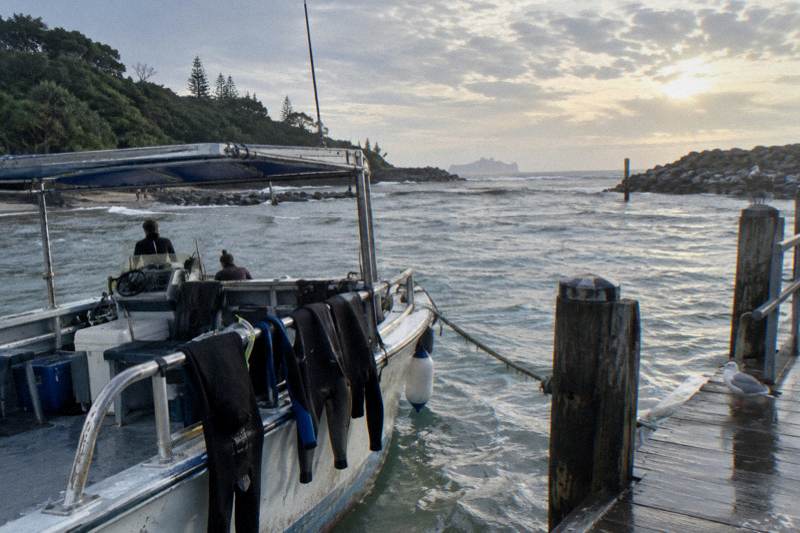
Nguthungulli Julian Rocks sits inside a sanctuary zone of Cape Byron Marine Park, and a handful of DPIRD rules shape every snorkel trip that visits it. Here is what the zones mean, what is permitted, and which limits bind the boat rather than you.
Short answer
Cape Byron Marine Park spans about 37 km of coast and about 220 km2 of state waters, with zones and rules in force since May 2006. Julian Rocks sits in a sanctuary zone where snorkelling is permitted but fishing, collecting and anchoring are banned. Speed, anchoring and mooring rules bind vessels, not swimmers.
Nguthungulli Julian Rocks lies about 2.5 km off Byron Bay, and almost every rule that shapes a snorkel trip there comes from one document: the Cape Byron Marine Park zoning plan. The park was established in November 2002 and its zones and rules commenced in May 2006, covering about 37 km of coastline from the Brunswick River north training wall to Lennox Head and about 220 km2 of state waters out to 3 nautical miles. Snorkelling is explicitly a permitted activity in its most protected zones, so nothing about the rules keeps you out of the water. What the rules do instead is constrain boats, ban fishing and collecting, and protect the animals people come to see. This guide sets out the zone system and each rule that touches a snorkel visit, based on the DPIRD user guide and the NSW Government's own pages. For the animals the rules exist to protect, see our guide to Julian Rocks marine life.
What Is Cape Byron Marine Park And Why Does It Zoning Matter?
Cape Byron Marine Park covers about 37 km of coast from the Brunswick River north training wall to Lennox Head and about 220 km2 of state waters out to 3 nautical miles. The park was established in November 2002, and its zones and rules commenced in May 2006. Nguthungulli Julian Rocks, about 2.5 km offshore, sits within it, and the zoning plan is what determines what every boat, diver and snorkeller may do there.
The park exists because of a remarkable collision of waters. The East Australian Current pushes warm tropical water south while cooler southern waters push north, and the meeting point falls around Byron Bay. That convergence is why the rocks host such an unusual mix of species; DPIRD notes that "Nguthungulli Julian Rocks is home to many fascinating animals, including sharks, rays, turtles, eels, starfish and corals". Operators lean into the same story, describing "over 1000 marine species" and "more than 500 different species of fish", though those counts are operator wording rather than an official tally.
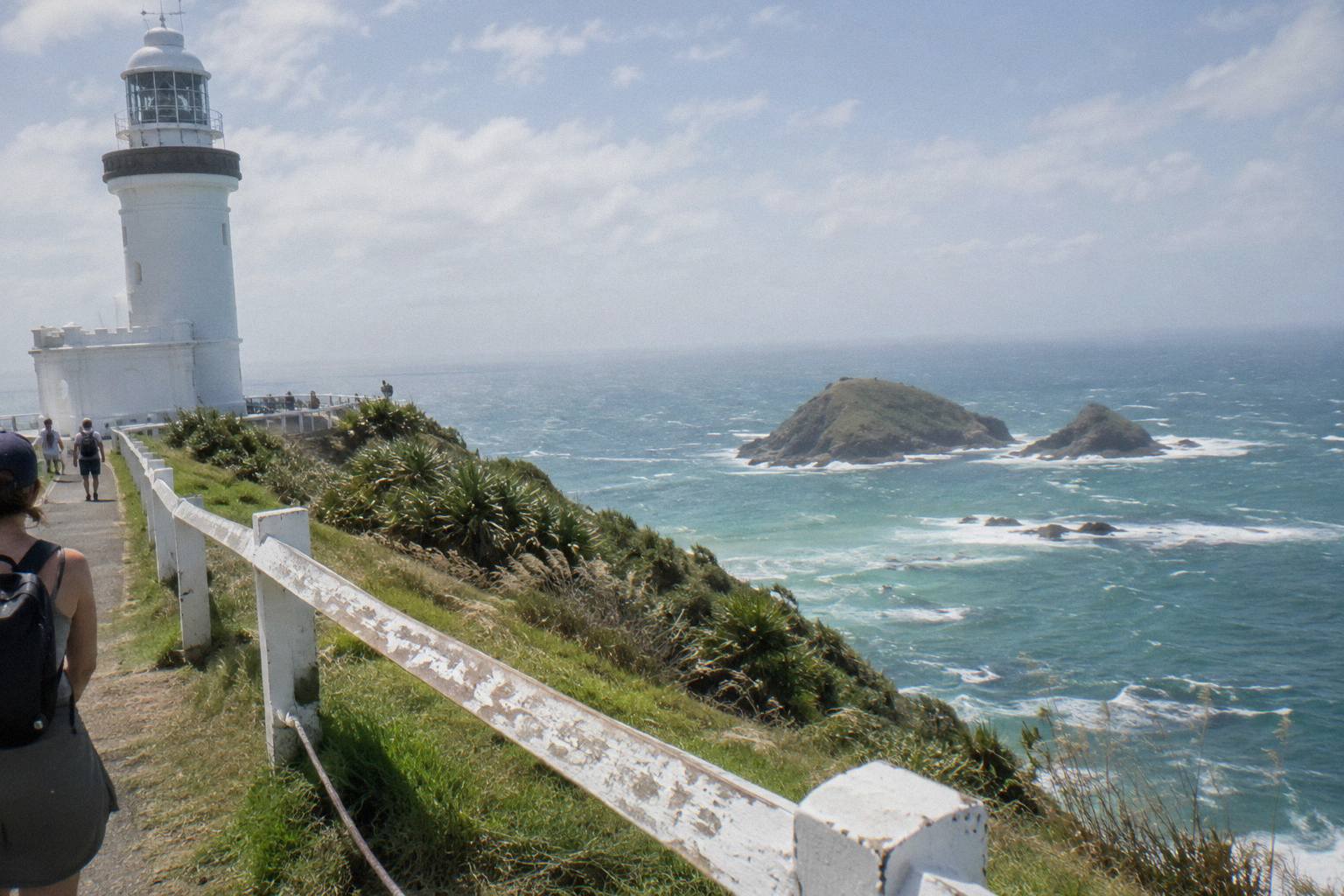
The park also carries deep cultural weight. "Nguthungulli" is the Bundjalung word for "Father of the World", and the dual name was officially adopted in July 2023; the NSW National Parks page now reads "Nguthungulli Julian Rocks Nature Reserve". The Bundjalung People of Byron Bay (Arakwal) hold a strong association with the land and sea in the northern parts of the marine park, and the Jali people in the southern section. One reported Bundjalung story tells of a spear breaking a canoe in two, the two halves becoming the rocks.
Zoning matters to a snorkeller for one practical reason: the rocks fall inside a sanctuary zone, the highest level of protection in the park. Everything you are allowed to do there flows from that single designation, according to the DPIRD Cape Byron Marine Park page.
| Zone type | Protection level | What is banned | What is permitted |
|---|---|---|---|
| Sanctuary zone | Highest, "no-take" | All fishing, collecting, anchoring on reefs | Boating, surfing, snorkelling, diving, permitted research and education |
| Other park waters | Standard marine park rules | Varies by zone | Depends on the zone; check the DPIRD user guide |
What Does A Sanctuary Zone Ban, Exactly?
A sanctuary zone is a "no-take" area, the highest protection in the marine park: it bans all fishing and collecting and anchoring on reefs. Sanctuary zones total 6,118 hectares, 27.5% of Cape Byron Marine Park. Snorkelling, diving, boating and surfing are all permitted, because they do not harm any animal, plant or habitat.
The DPIRD user guide is explicit about what "no-take" means: no fishing of any kind, no collecting of any kind, and no anchoring on reefs within these zones. Every species in a sanctuary zone is protected. For a snorkeller, the effect is almost entirely positive: it is the reason the fish at Julian Rocks are abundant, varied and, often, unbothered by people.
The permitted list matters just as much as the ban. DPIRD's zones page states that activities which do not harm any animal, plant or habitat are allowed in sanctuary zones, and it names boating, surfing, snorkelling, diving and permitted research and education among them. So a snorkel tour is not skirting the rules by entering the zone; it is doing exactly what the zone was designed to allow.
Sanctuary zones also work at a scale that surprises people. A quarter of the park, 27.5%, is off-limits to fishing, which is a substantial commitment for a stretch of coast that also hosts a busy tourism industry. The infographic below shows how the protected share breaks down against the rest of the park.
For snorkellers the practical takeaway is simple: look, swim and photograph freely, take nothing, and leave everything where it was. If you are still deciding when to come, our page on the best month to snorkel Julian Rocks covers the seasonal side of that question.
Most visitors experience the sanctuary zone on a guided trip, and three listings cover the standard options: the biologist-guided snorkel from Brunswick Heads, the turtle-focused three-hour trip from Byron town, and the Out Of The Blue boat from Brunswick Heads.
Which Rules Bind Boats Rather Than Snorkellers?
Three vessel rules apply around Julian Rocks: boats must limit speed to 4 knots within 200 m of the rocks, anchoring is not permitted within 700 m of the rocks, and there are seven Marine Parks moorings with a 2-hour maximum stay. These bind vessels and their skippers, not swimmers, so a snorkeller cannot breach them personally.
This distinction is worth stating plainly, because the numbers get repeated in ways that make them sound like swimming rules. They are not. The 4-knot limit, the 700 m anchoring exclusion and the mooring conditions all sit in the DPIRD user guide as controls on vessels, which means your tour operator, or the skipper of any private boat, is the one responsible for compliance.
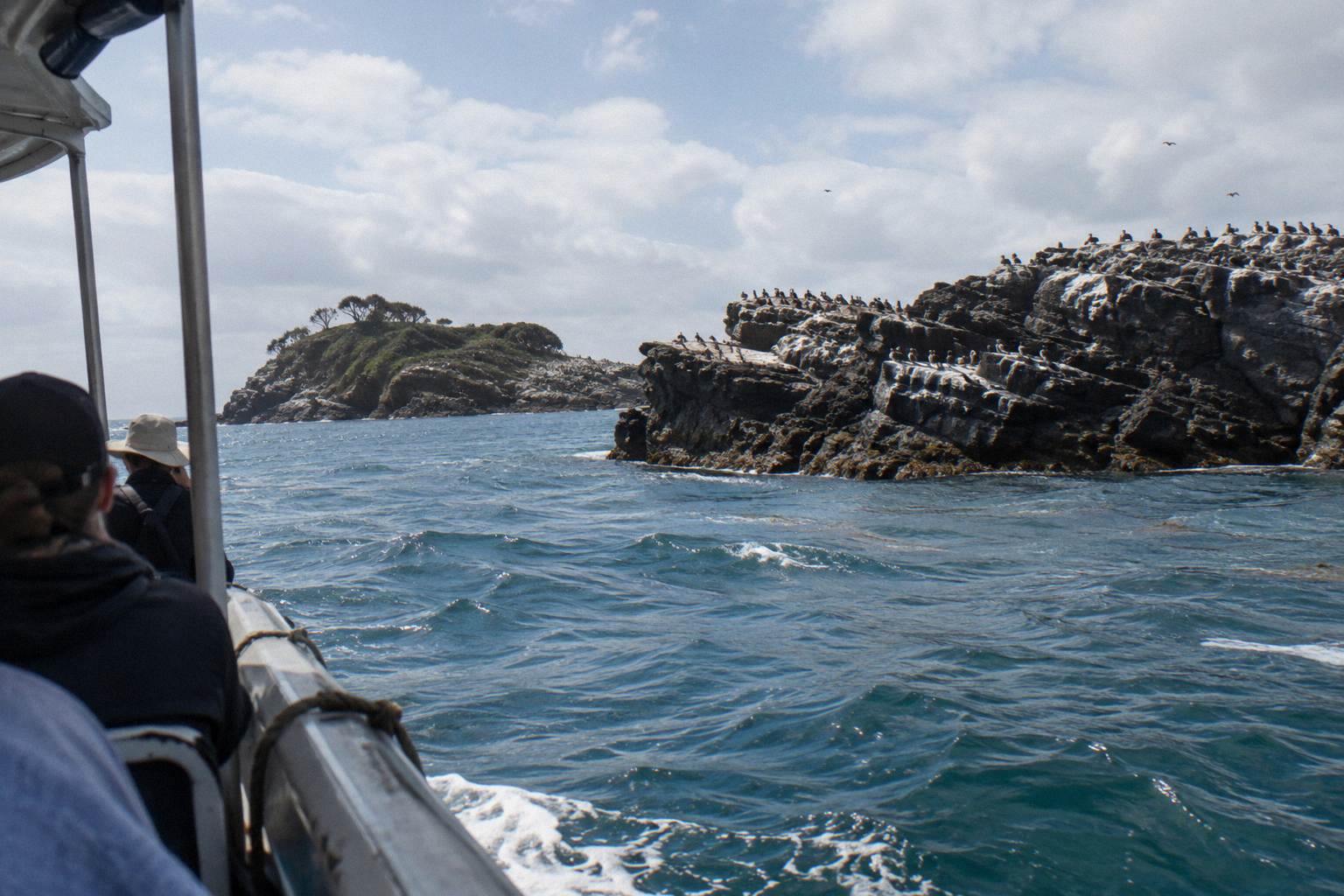
The moorings have their own detailed specs. The seven Marine Parks moorings at Julian Rocks serve vessels up to 15 tonnes or 10 m in length, usable in winds of 24 knots or less, with a maximum stay of 2 hours on a mooring. Two further rules apply on the moorings: no fishing from a vessel on a mooring, and no rafting to another vessel on a mooring. For a snorkel tour of about 2.5 to 3 hours total, with roughly an hour in the water, that 2-hour cap is a genuine operational constraint; it is one reason trips are timed the way they are.
| Rule | What it covers | Who it binds |
|---|---|---|
| 4-knot speed limit | Vessel speed within 200 m of Julian Rocks | Vessels and skippers |
| 700 m anchoring ban | No anchoring within 700 m of the rocks; none on any reef in a sanctuary zone | Vessels and skippers |
| Mooring limits | Seven moorings, vessels to 15 tonnes or 10 m, winds to 24 knots, 2-hour maximum | Vessels and skippers |
| Mooring conduct | No fishing from a vessel on a mooring; no rafting to another vessel | Vessels and skippers |
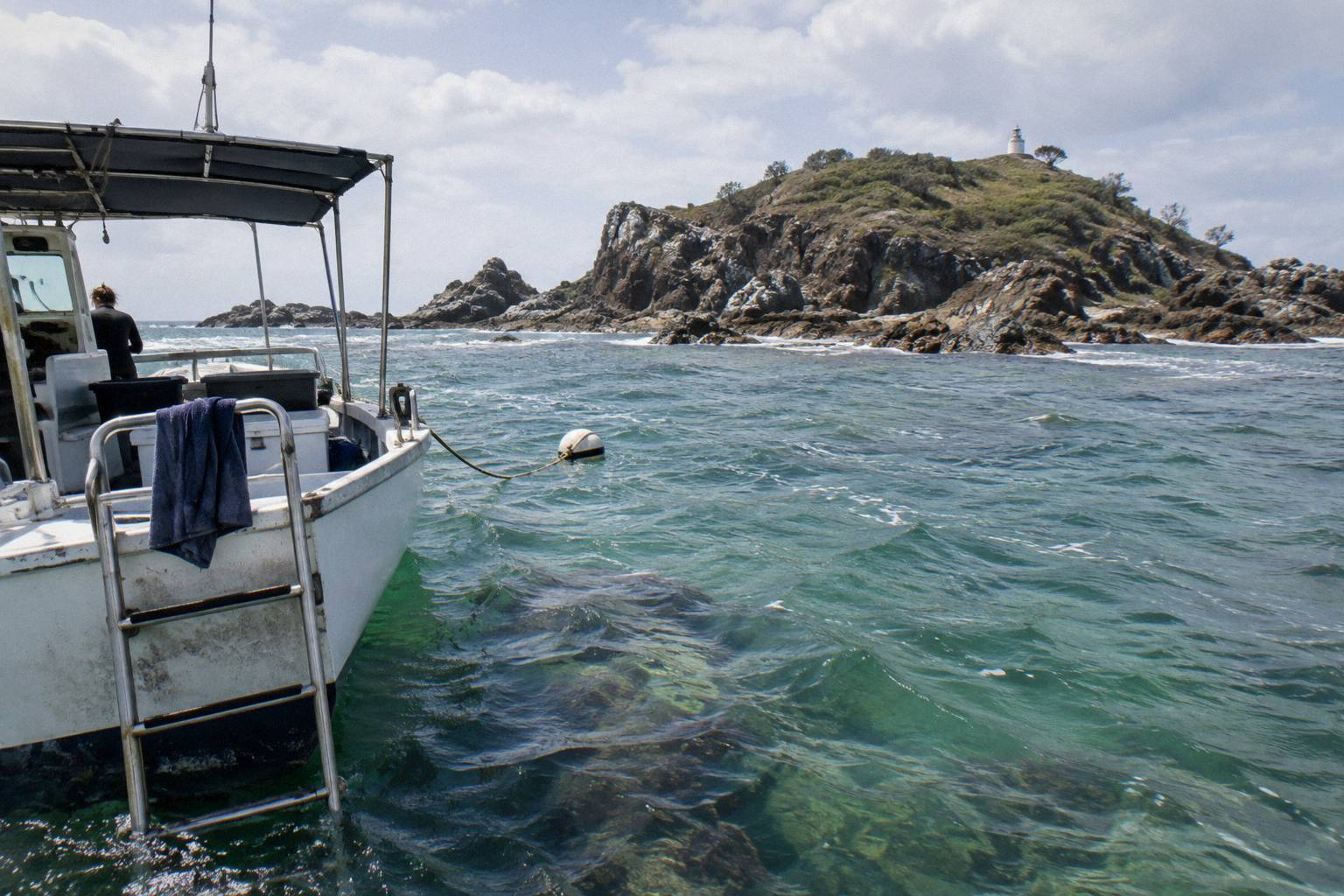
Because the rules govern the boat, the operator you choose is effectively your compliance department. The Blue Seafaris 2.5-hour snorkel, from AUD 94 per person and rated 4.5 across 448 reviews on its booking page, runs to the rocks from Brunswick Heads Boat Harbour, and the skipper handles the mooring and speed rules as part of the trip. If you are weighing operators against each other, our comparison of Julian Rocks snorkel operators breaks down the differences in meeting points, durations and inclusions.
Can You Feed, Touch Or Collect Marine Life?
No. Fish feeding, including shark feeding, is prohibited throughout the marine park, and collecting is not permitted in sanctuary zones, where all species are protected. Snorkellers must not touch, collect or harass marine life, and the rocks themselves are a bird sanctuary.
The feeding ban is marine-park-wide, not limited to sanctuary zones, which tells you how seriously DPIRD treats it. Feeding changes animal behaviour and concentrates predators, so the rule applies whether or not the activity happens inside the highest protection zone. The collecting ban then closes the remaining gap in a sanctuary zone: nothing comes out of the water, alive or otherwise.
Operators reinforce the same line in their briefings. Byron Bay Dive Centre tells guests not to touch, collect or harass marine life, and its camera policy adds a related limit: waterproof cameras only, and no flash. A flash at close range can startle or stress animals, so the two rules work together, one from the park and one from the operator, toward the same outcome.
“A very nice trip. We saw a lot, including turtles and a small shark. Our two skippers were also super friendly and very attentive. In the water, a skipper accompanied us and went in search of turtles, etc. I highly recommend the trip. You head out on a fast speedboat, so there's also an adrenaline rush.”
The NSW Government page adds two further prohibitions at the rocks specifically: collecting or destroying animals, and spear fishing. The same page notes that the rocks are a bird sanctuary, home to gulls, terns, tattlers, cormorants and plovers. That matters to snorkellers less in the water than at the surface: the birds nest on the rocks, and the no-landing reality of the reserve is part of why the site stays as pristine as it is. You can read more about the protected area itself in our guide to Nguthungulli Julian Rocks Nature Reserve.
It is worth being precise about what the sources do not say. No official approach distance in metres was found in the park documents or operator pages, so this guide states none. The honest position: keep a respectful distance, never chase or block an animal's path, and let the guide set the standard on the day. If turtles are your main interest, our page on turtles at Julian Rocks covers what species are around and when.
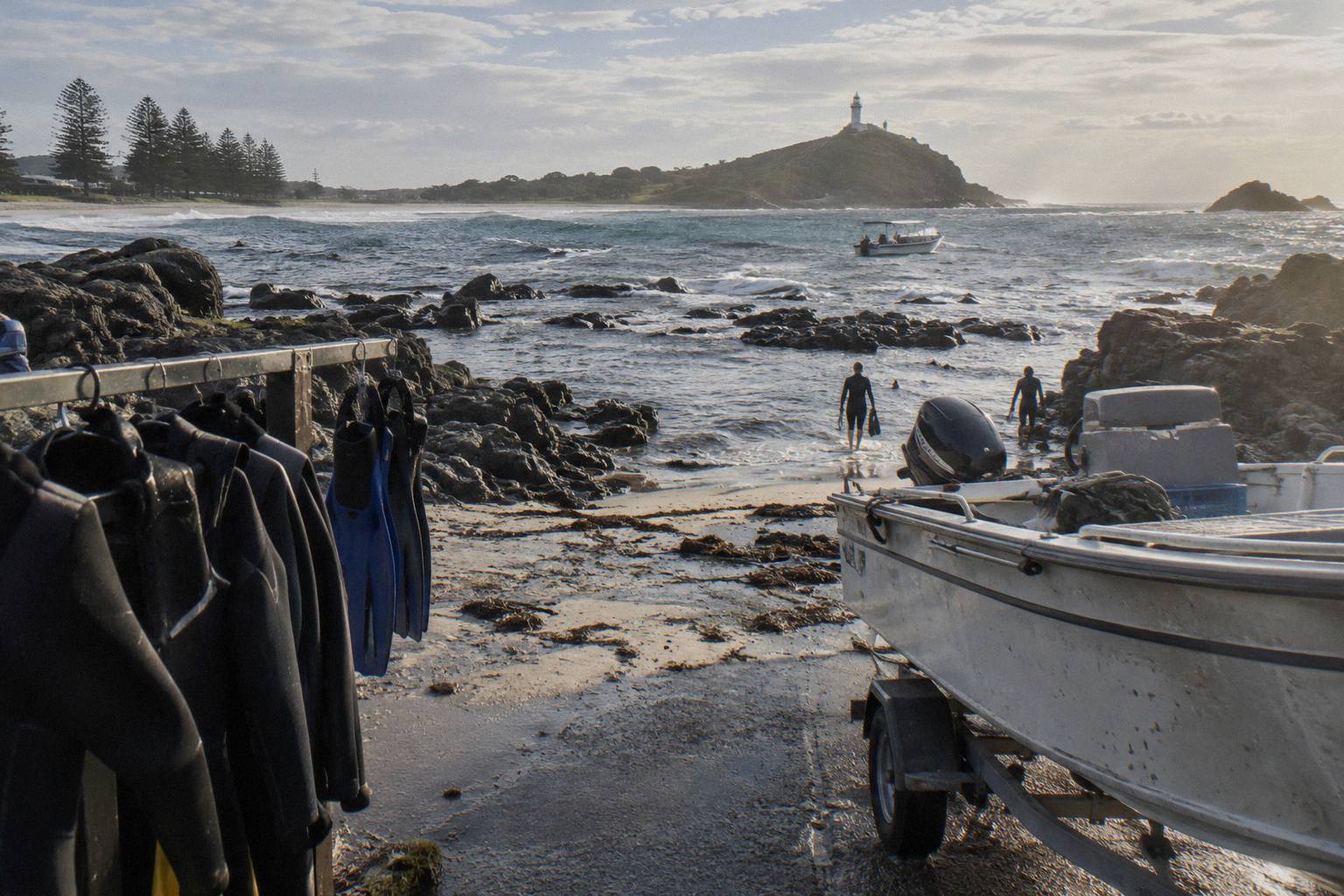
What Gear And Eligibility Rules Do Operators Add?
Operators layer their own requirements on top of the park rules. Byron Bay Dive Centre's Turtle School tour asks that participants can swim at least 200 m unassisted in open ocean, sets a minimum age of 10, and bans those with pregnancy or back or spinal injuries from vessel-based activities. Its separate sea turtle tour instead requires a 25 m unassisted swim and comfort in the water, with no life jackets to snorkel in. Blue Seafaris requires you to be comfortable swimming in open water and offers pool noodles rather than flotation jackets.}
These are operator rules, not marine park rules, and they vary more than visitors expect. The gear side is more uniform: Byron Bay Dive Centre includes fins, mask, snorkel and wetsuit, advises 5 mm long wetsuits for the duration of the trip, keeps lifejackets on board, and suggests a long wetsuit or a pool noodle for nervous snorkellers. It carries no prescription masks, though contact lenses are fine, and it stocks ginger seasickness tablets on the boat while recommending you bring your own. Everything else covered here is indexed on Julian Rocks Snorkelling.
“We saw leopard sharks, turtles and many other fish – truly impressive!”
The medical lines are blunt but standard for open-ocean vessel activities: pregnancy, back injuries and spinal injuries exclude guests from boat-based trips at Byron Bay Dive Centre. Beyond "ask your doctor", this guide makes no medical claims at all; if you have a health question, that conversation belongs with a GP who knows your history.
| Requirement | Source | Who it applies to |
|---|---|---|
| Swim 25 m unassisted; comfortable in the water; no life jackets to snorkel in | Byron Bay Dive Centre | All participants |
| Minimum age 10 | Byron Bay Dive Centre turtle trip | Snorkellers under 10 |
| Prior open-ocean snorkelling experience; 200 m unassisted swim | Sundive Byron Bay | All participants |
| GP clearance | Sundive Byron Bay | Guests over 65 |
| Pregnancy, back or spinal injuries prohibited from vessel-based activities | Byron Bay Dive Centre | Affected guests |
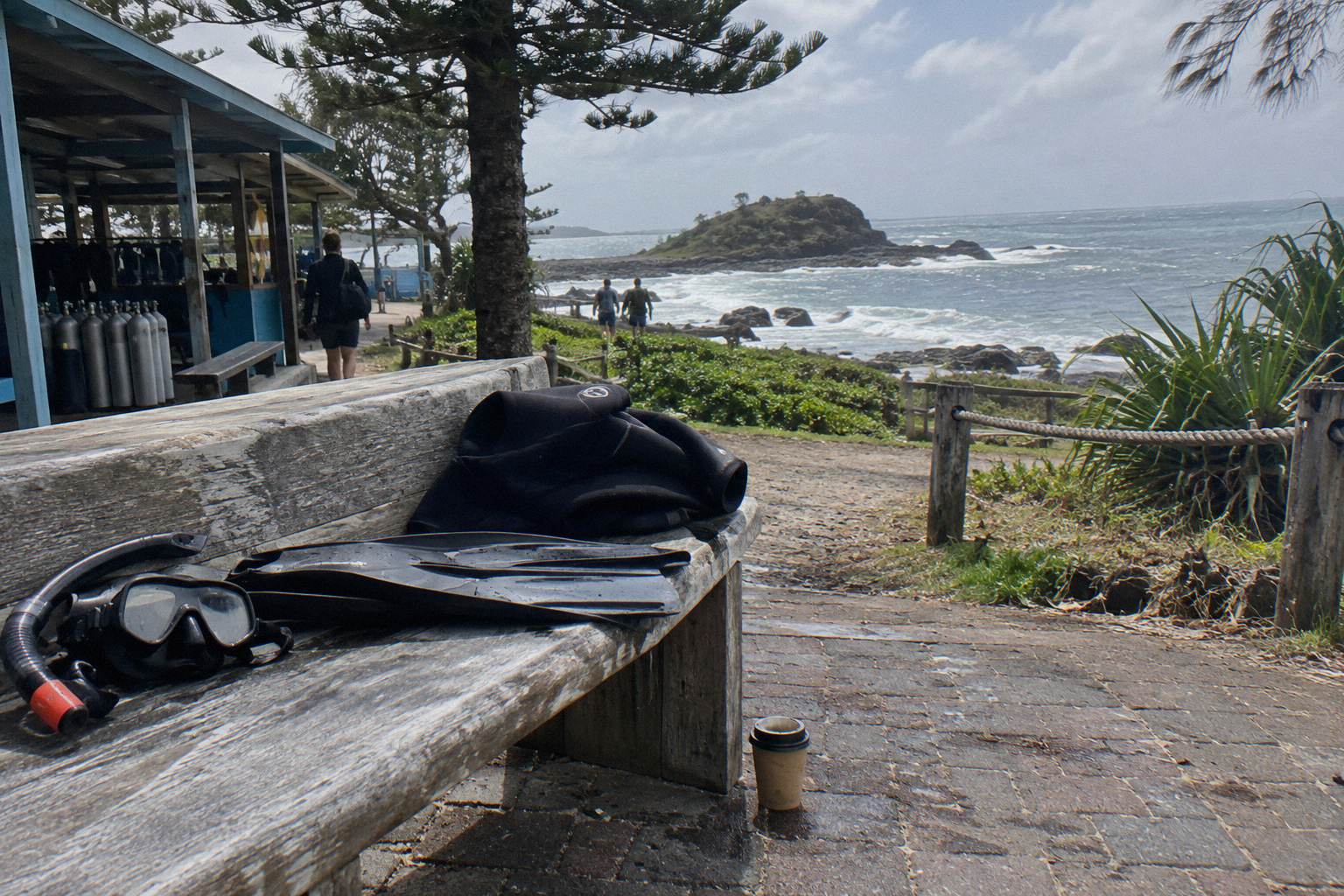
Blue Seafaris asks that you be comfortable swimming in open water, with pool noodles offered and no flotation jackets for non-swimmers. Out Of The Blue Adventures sets a firmer bar: you must be able to swim 200 m unassisted before booking, and crew remove snorkelers who cannot, with no refund. Neither listing states a weight limit or fitness standard, so ask the operator when booking. The Turtle School trip (3 to 4 hours), run by Byron Bay Dive Centre from a town meeting point with transport to the boat, requires at least 200 m unassisted in open ocean; its price sits on the live listing. Our page on kids on the Julian Rocks snorkel trip goes deeper on the age question, since minimums of 5, 7 and 10 years appear across different operators' pages.
How Do The Zones Affect Where Tours Actually Snorkel?
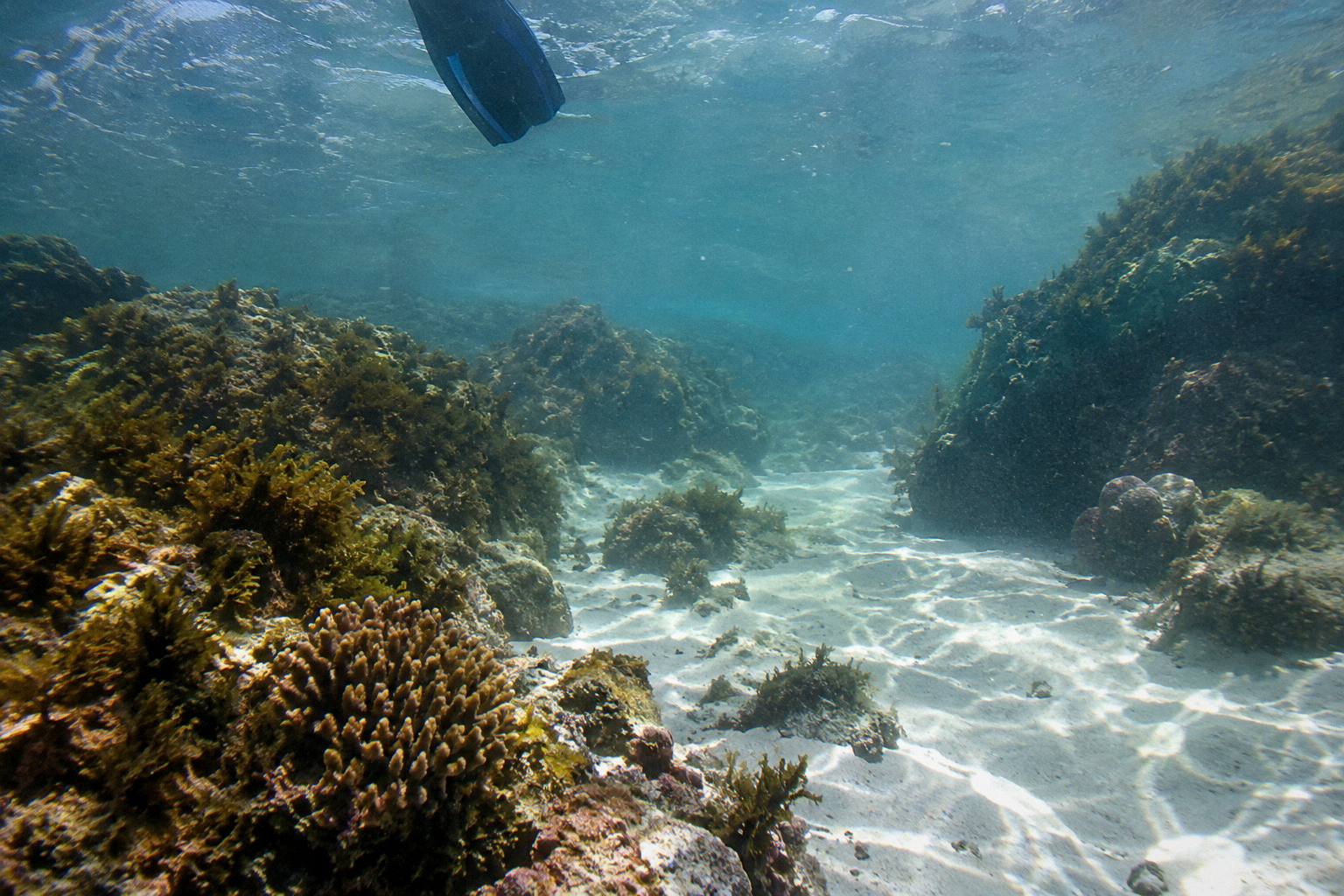
Tours snorkel in the shallow, sheltered areas around the rocks, generally in 3 to 12 m of water, because that is where conditions and the sanctuary layout suit swimmers. Dive depths at the rocks run 8 to 24 m, but snorkel trips stay in the shallows where turtles, rays and reef fish gather.
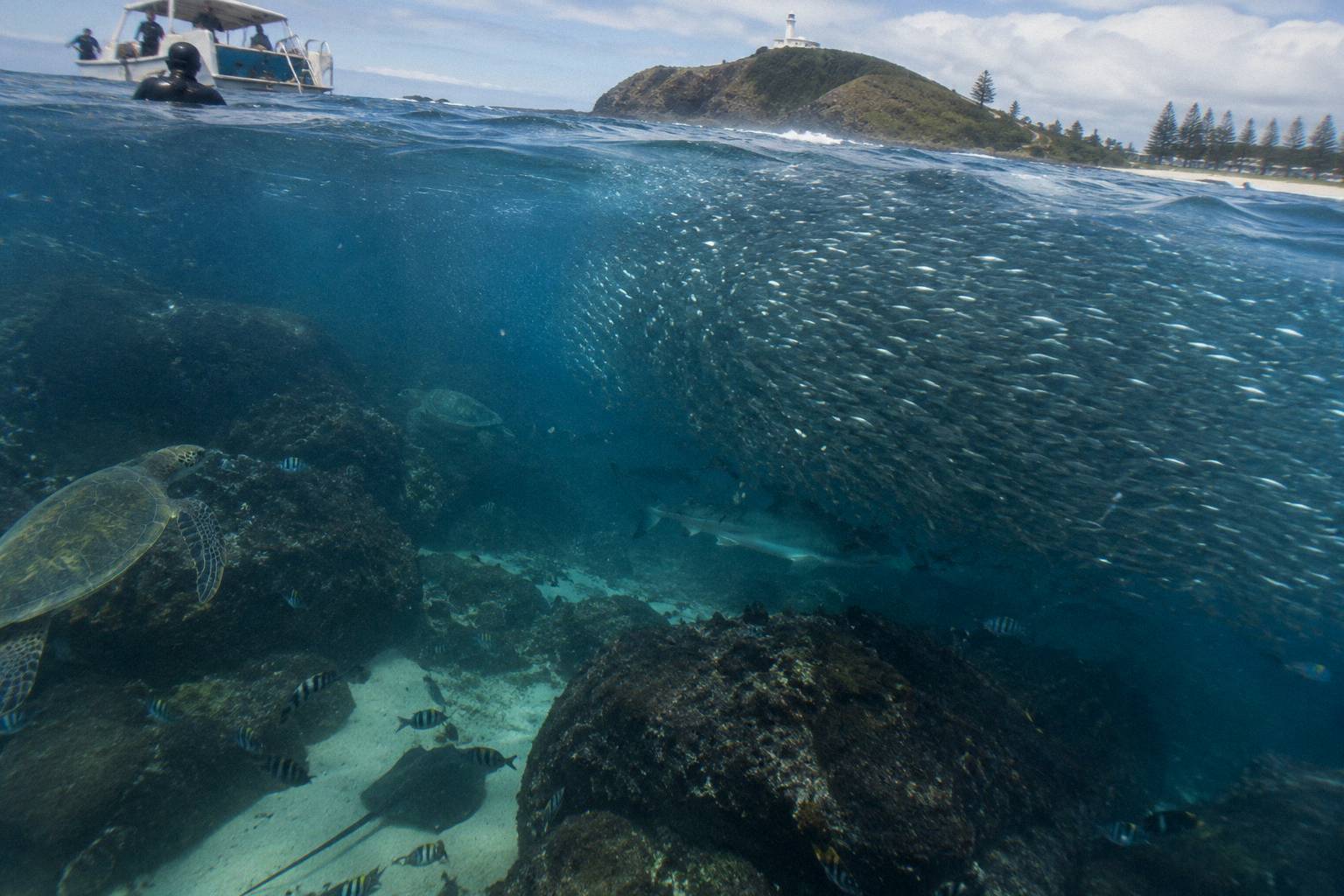
The zone map and the site geography work together. Because anchoring is banned within 700 m and the moorings sit at set points, boats tie up in predictable positions, and the snorkel ground ends up being the sheltered shallows within easy reach of the mooring. Operators describe the snorkelling areas as shallow and sheltered, 3 to 12 m deep, where visitors see turtles, rays, a variety of colourful fish and crustaceans.
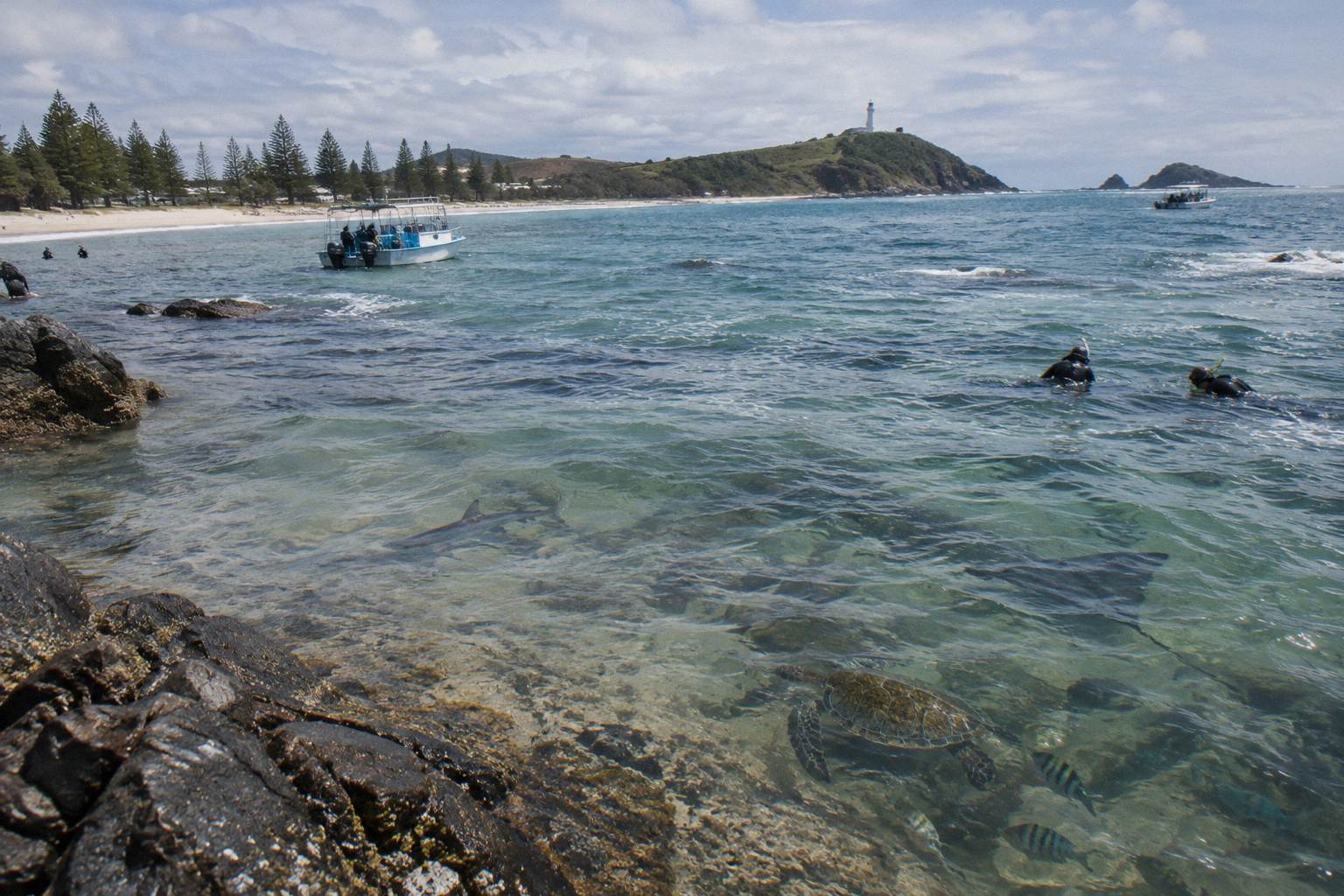
That depth band is also where much of the star marine life lives. Leopard sharks gather in the sandy ground at the Needles during the warmer months, December to April, while grey nurse sharks occupy the deeper sand trenches from June to November. The trenches sit at diving depths, not snorkel depths, so the two experiences of the same park can differ sharply on the same day. Turtles are listed all year, though no operator will guarantee them.
“Amazing snorkelling experience! Guides were great- super friendly and knowledgeable!”
The variety is what the zoning protects. With over a thousand species estimated by operators around the rocks, the sanctuary zone acts as a reservoir: fish grow large, predators stay resident, and the mix of tropical and temperate species that defines this coast persists. That is the quiet argument for the rules being strict, and it is why a snorkeller visiting Julian Rocks sees noticeably more marine life than at unprotected spots along the same coastline. Our Julian Rocks diving guide covers the deeper sites if the 8 to 24 m range tempts you.
What If Weather Or The Rules Cancel Your Trip?
If weather or sea conditions are unsuitable, Byron Bay Dive Centre contacts guests by text or phone and offers a full refund or reschedule. Its cancellation window is 48 hours, with a 100% fee inside it, and bookings made through an agent follow that agent's refund policy. The marine park rules themselves do not cancel trips; conditions do.
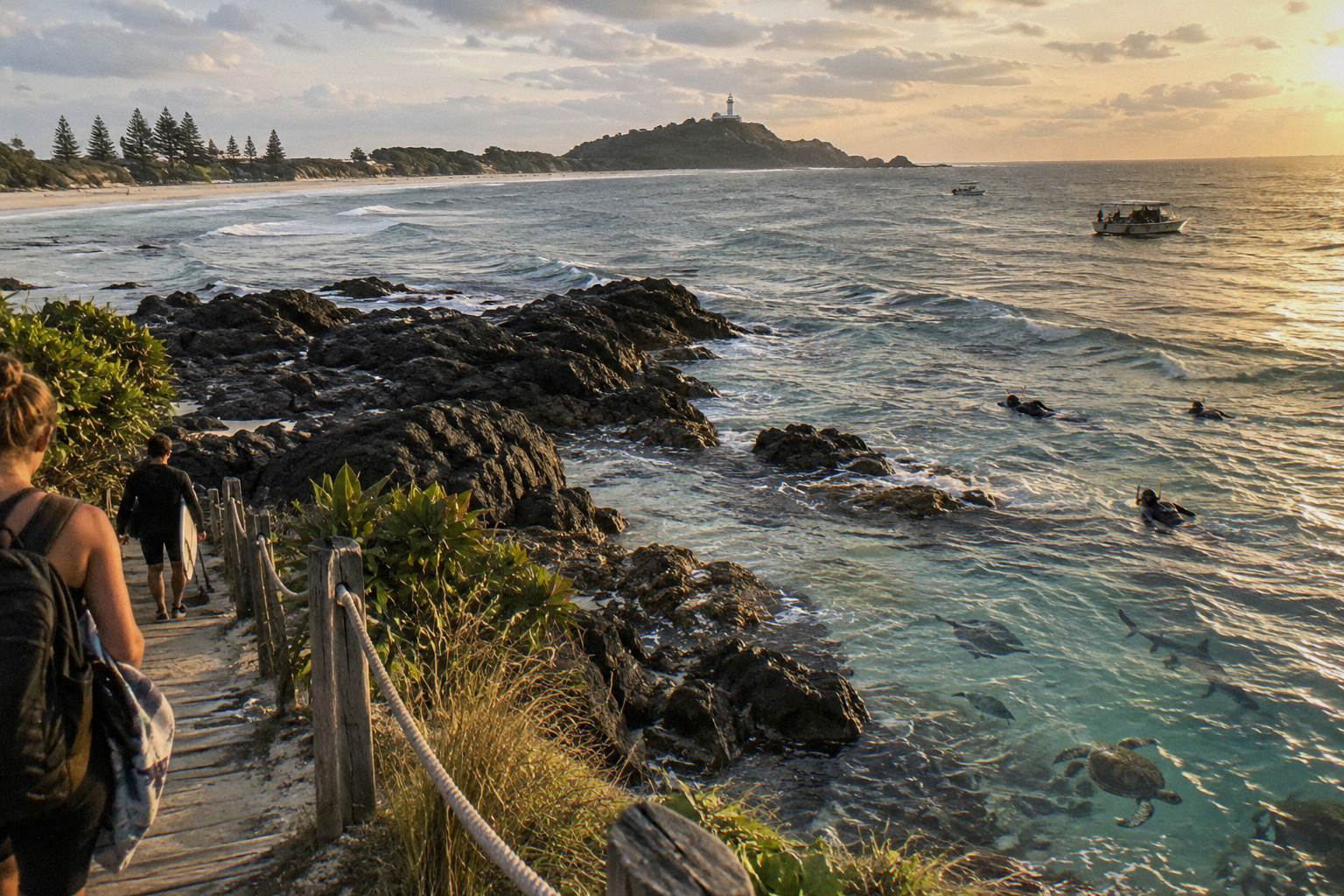
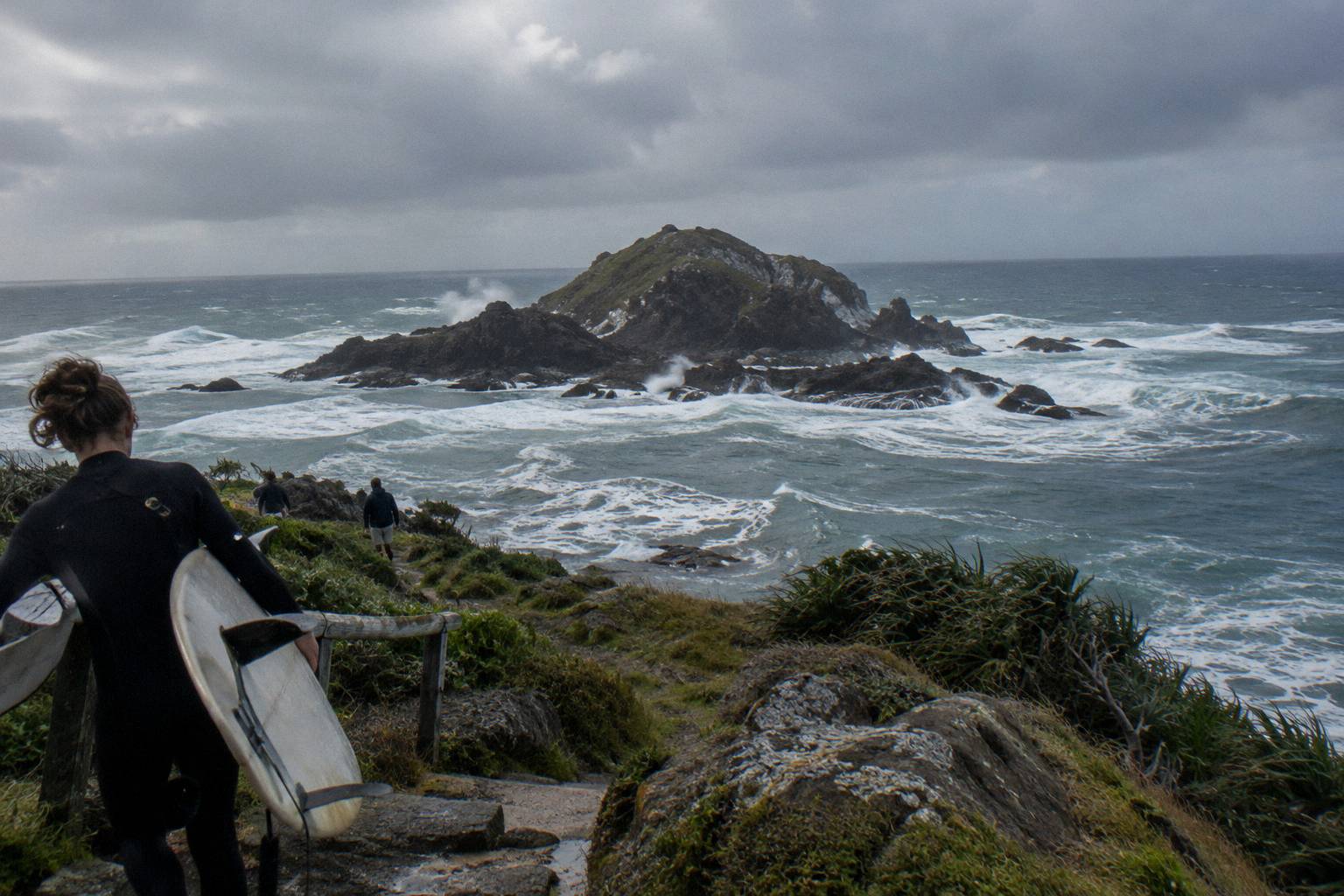
This is worth separating clearly. The park's rules, the 4-knot limit, the anchoring ban and the mooring specs, shape how a trip runs, but they do not stop it running. What stops a trip is the open-ocean reality of the site: strong swells, currents, surges, cold water and winds are all possible at Julian Rocks, and skippers make the call on the day. Winter water can drop to 17 °C, and one dive operator flags strong northerlies between September and Christmas as a recurring pattern.
The Out Of The Blue trip, from AUD 94 per person and rated 4.4 across 167 reviews on its main booking page, with a second booking page showing 4.7 across 58 reviews, also runs from Brunswick Heads Boat Harbour and faces the same weather arithmetic. When a departure is called off, the refund path follows the operator's own policy, and a booking made through an agent follows the agent's policy rather than the operator's.
Before you book, it helps to know what a rough day looks like here; our piece on checking Byron Bay sea conditions before a snorkel trip lists the sources skippers watch. The temperature question matters too, and our month-by-month Byron Bay water temperature guide helps you pick a window that suits you.
Who Enforces The Rules And What Penalties Exist?
DPIRD administers Cape Byron Marine Park and its zoning plan; the rules fall under NSW marine park law. For a snorkeller, the practical point is simple: fisheries officers and park staff enforce the no-take rules, while vessel rules are enforced against skippers. Ordinary snorkellers who follow their guide breach nothing.
The enforcement reality is quiet. Most visitors never see an officer, because the rules that carry penalties, fishing, collecting, spear fishing, anchoring breaches, speed breaches, are committed from boats or by fishers, not by swimmers holding a camera. A snorkeller who does not touch, feed or collect anything is compliant with the park's core requirements by default.
The user guide names grey nurse sharks among the threatened species of the marine park, which explains some of the harder edges of the rule set. Threatened species get both habitat protection, the sanctuary zones, and behavioural protection, the park-wide feeding ban, and the combination is deliberate. The same logic sits behind the bird sanctuary status of the rocks themselves; the NSW National Parks page for Nguthungulli Julian Rocks Nature Reserve covers the reserve's own protections.
If you want the primary documents, the Cape Byron Marine Park user guide (June 2018) sets out every zone and rule discussed on this page, and it is the document your tour operator works from. Reading it takes twenty minutes and answers essentially every "is this allowed?" question a snorkeller could ask.
A Quick Checklist Before You Board
Bring swimwear, a towel and something warm for after the swim; the operator supplies mask, fins, snorkel and wetsuit. Eat lightly beforehand, take seasickness tablets if you are prone to them, and arrive at the check-in time stated on your booking. Read the age and swimming requirements for your specific operator before you pay.
The park asks almost nothing of you personally: no touching, no collecting, no feeding, waterproof camera without flash. The operator asks a little more: swim competence, honesty about medical conditions, and punctuality. If you want the fuller version, our Julian Rocks snorkel packing list itemises what to bring and what to leave behind, and our walkthrough of what happens on a Julian Rocks snorkel day covers the run of events from check-in to mooring.
Whether this is your first open-ocean snorkel or your tenth, the sanctuary zone is the reason the water will be as full of life as it is. The rules are not paperwork to tolerate; they are the reason you booked.
“We saw so many sharks and turtles and different types of rays, the instructors and the skipper were great the whole time knowing the best spots and helping out along the way. I would recommend the early session as it was nice and quiet out by the rocks. One of the best things you can do on the east Coast.”
Common Questions About Cape Byron Marine Park Rules
Can You Snorkel In A Sanctuary Zone At Cape Byron Marine Park?
Yes. DPIRD explicitly permits activities that do not harm any animal, plant or habitat in sanctuary zones, and names snorkelling, diving, boating and surfing among them. What is banned is fishing, collecting and anchoring on reefs, not swimming.
Is Fishing Allowed At Julian Rocks?
No. Julian Rocks sits in a sanctuary zone where all fishing and collecting are banned, spear fishing at the rocks is prohibited by the NSW Government, and fishing from a vessel on one of the Marine Parks moorings is also not allowed.
Does The 4-Knot Or 700-Metre Rule Apply To Snorkellers?
No. Both are vessel rules from the DPIRD user guide: boats must limit speed to 4 knots within 200 m of the rocks and may not anchor within 700 m of them. Skippers are responsible for compliance, not swimmers.
Can You Touch Or Feed The Marine Life At Julian Rocks?
No. Fish feeding, including shark feeding, is prohibited throughout the marine park, collecting is not permitted in sanctuary zones, and operators instruct guests not to touch, collect or harass marine life. Cameras must be waterproof and flash-free.
Why Is Julian Rocks Called Nguthungulli?
"Nguthungulli" is the Bundjalung word for "Father of the World", and the dual name Nguthungulli Julian Rocks was officially adopted in July 2023. One reported Bundjalung story tells of a spear breaking a canoe in two, the two halves becoming the rocks.
What Happens If My Snorkel Trip Is Cancelled?
Byron Bay Dive Centre contacts guests by text or phone if weather or sea conditions are unsuitable, offering a full refund or reschedule. Its cancellation window is 48 hours with a 100% fee inside it, and agent bookings follow the agent's refund policy.