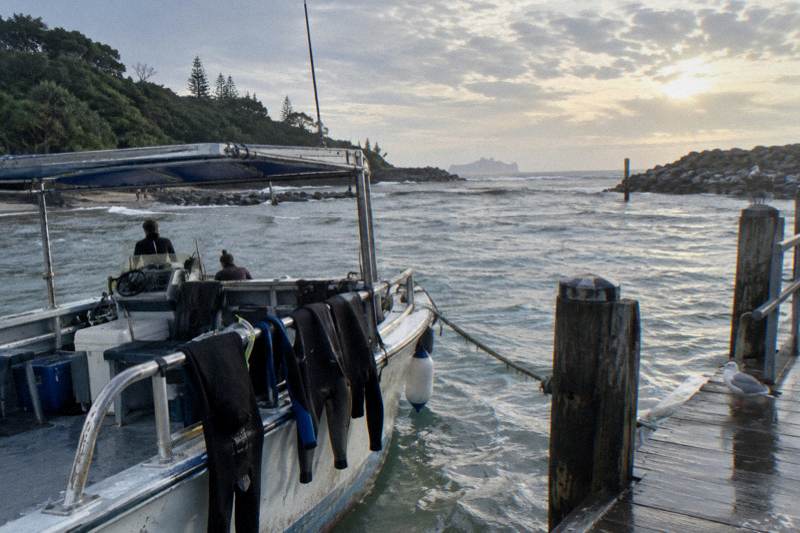
Byron Bay Water Temperature By Month And What To Wear In It
There is no official month-by-month sea temperature record for Julian Rocks. One operator states a winter figure, the rest describe seasons in words. Here is exactly what is on record, and how to use it to pick your wetsuit and your trip.
Short answer
The only sourced temperature figure is one dive operator's winter note that water at Julian Rocks can drop to 17 °C, averaging around 20 °C. No official monthly sea-temperature source was found, so no month table exists. Snorkel trips include a wetsuit, and Byron Bay Dive Centre advises a 5 mm long suit for the full trip duration.
Searches for "byron bay water temperature" usually want one thing: a number for the month they are travelling, so they can decide whether the snorkel trip will be bearable and whether a wetsuit is needed. That number mostly does not exist in any verifiable source. No government agency, marine park authority or operator publishes a month-by-month sea temperature table for Byron Bay or for Julian Rocks. What does exist is one dive operator's winter figure, several operators' season descriptions in plain words, and clear gear policies on the trips themselves.
This guide lays out only what the sources state, marks what they do not, and then spends its length on the part that actually helps: how to read the seasons, how to choose a wetsuit thickness, which trips include what, and what to ask the booking desk before you commit. If you are weighing the sea against your own cold tolerance, the honest answer is below.
What Is The Water Temperature At Julian Rocks?
The single sourced temperature figure for Julian Rocks is a dive operator's note that winter water "can drop to 17 °C (avg. ~20 °C)". No official monthly sea-temperature source for Byron Bay or Julian Rocks was found, so this page prints no month-by-month table and no "average in March" style figure. Everything else on record is seasonal description in the operators' own words.
That 17 °C figure deserves careful reading. It comes from one dive operator's page about the dive site, not from a monitoring station, and it is a winter floor with a stated average around 20 °C, not a forecast. It is also written for divers, who sit deeper and longer in the water than snorkellers. Treat it as a realistic worst case for the coldest part of the year, attributed to that operator, and nothing more.
Why does no monthly table exist here? Because the research behind this site re-read the official pages, and none of them publish one. The NSW marine park authority publishes zoning and rules, not thermometer logs. The operators publish seasons and wildlife, with the one temperature note above. A page that filled a twelve-row table with invented numbers would look helpful and be fiction, so this one does not.
What you can honestly do with the figure is bracket your expectations. If you snorkel in the Australian summer, you are in the water above that winter floor. If you snorkel in winter, plan for water that may be around the high teens and pack your cold tolerance accordingly. For a fuller look at how the seasons run, the best month to snorkel Julian Rocks guide works through the same operator wording in more depth.
What The Operators Actually Say About Seasons And Cold Water
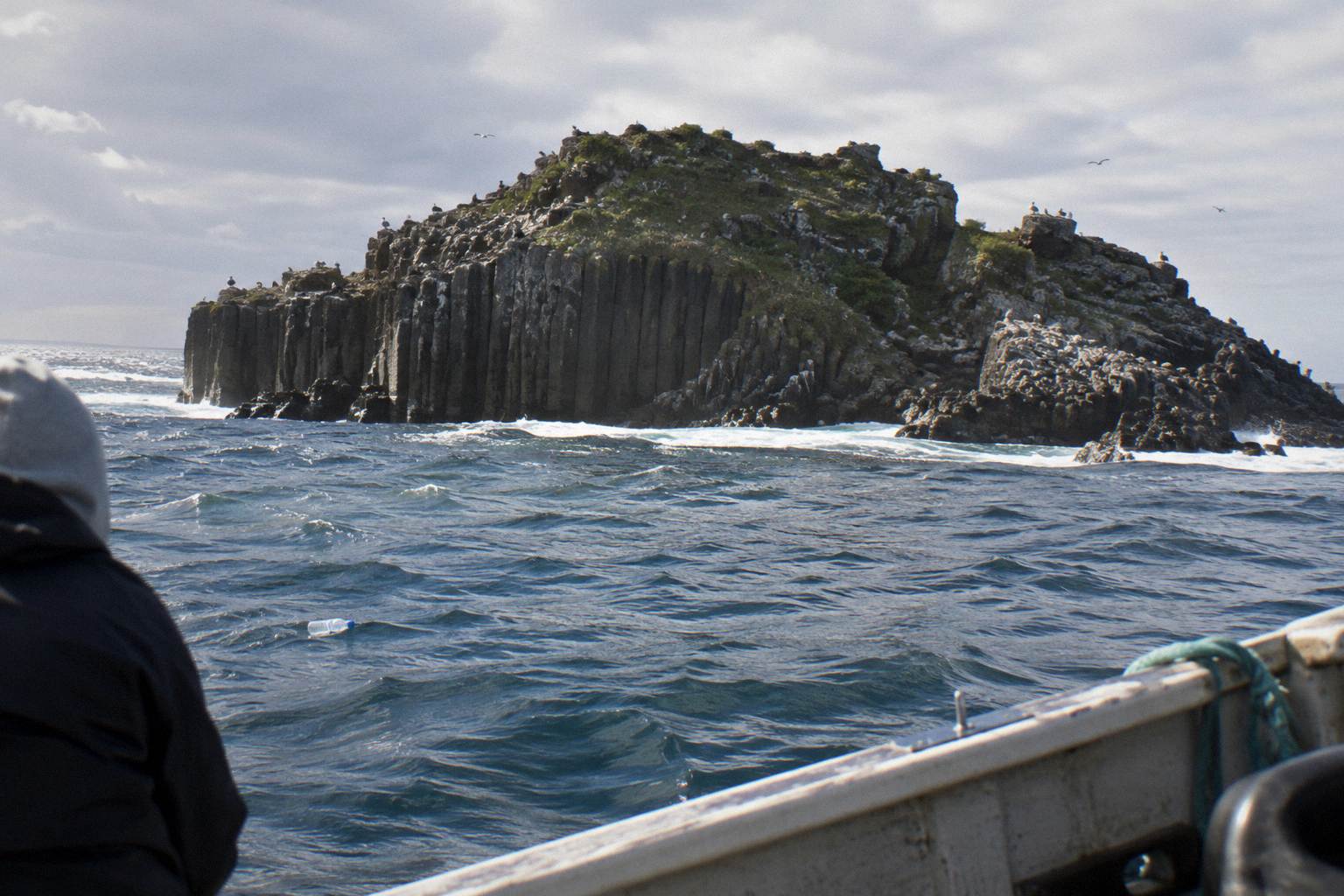
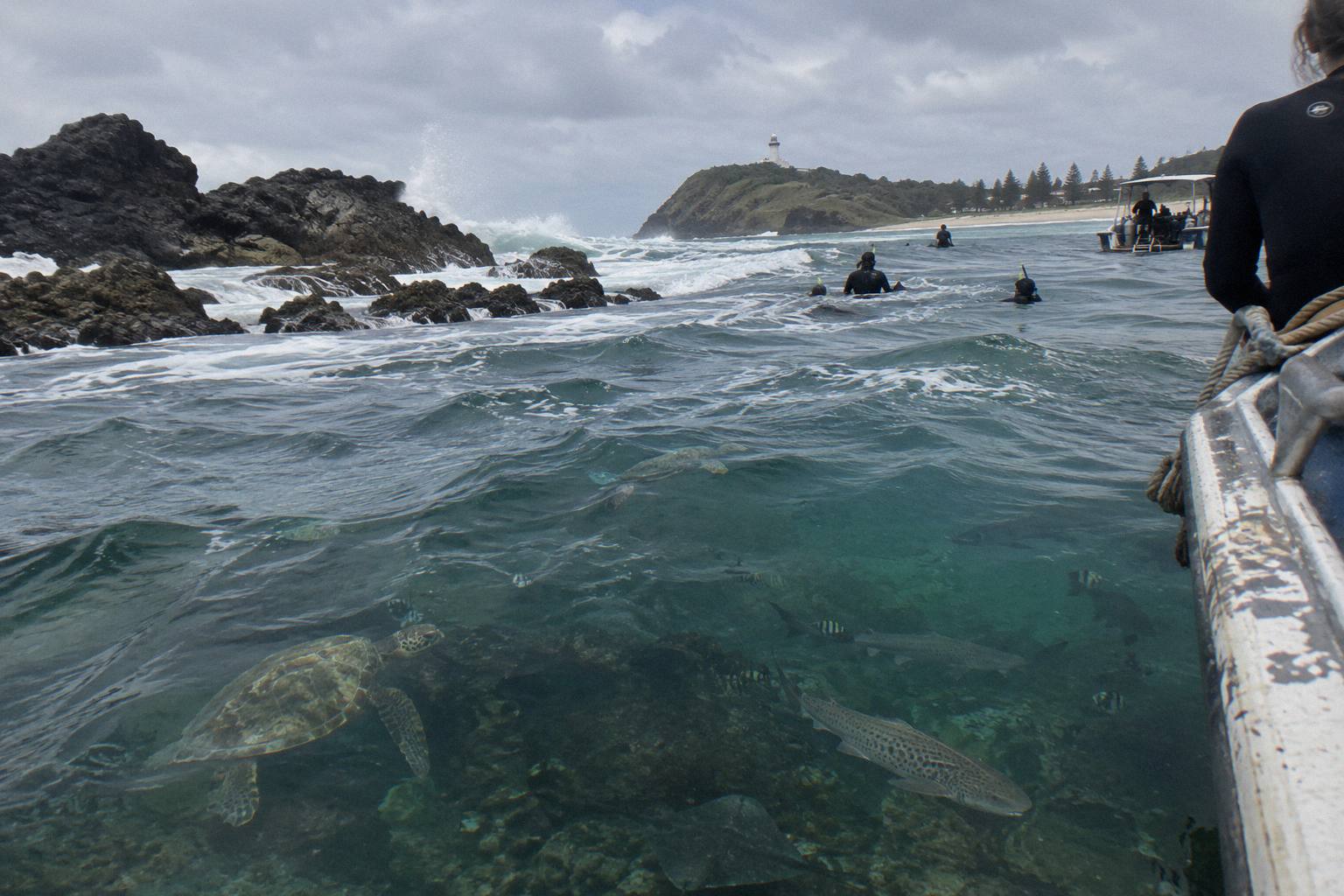
Operators describe Julian Rocks in seasons, not degrees. One dive operator lists summer manta rays and leopard sharks, leopard sharks December to April, and grey nurse sharks June to November at dive depths, with turtles all year. Whale seasons differ between operators: one runs whale trips May to November, another June to October. None of it is a temperature record.
That is a lot of attribution, and it is deliberate. The sources genuinely disagree on the whale season, so this page prints both versions rather than merging them into a tidy single window. Whales are a boat-side sighting anyway; no snorkel trip here promises them, and none should be booked on that expectation.
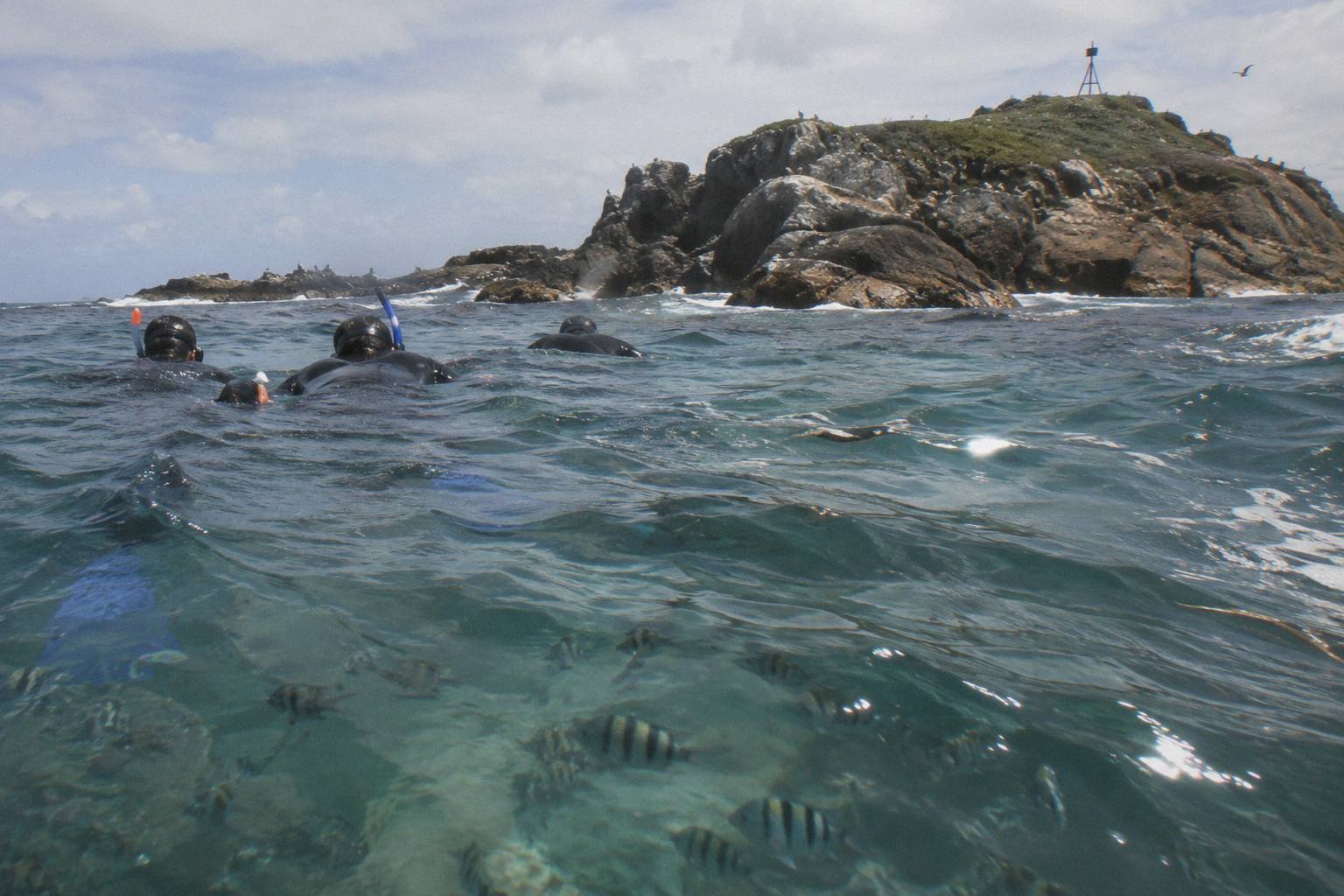
The leopard shark window is the most useful seasonal anchor for a snorkeller deciding when to come. One dive operator places leopard sharks December to April, mostly over the sandy ground at the Needles, which is a dive site rather than the shallow snorkel zone. Grey nurse sharks run the opposite season, June to November, but the same operator places them in sand trenches at diving depths of 8 to 24 m, deeper than the 3 to 12 m shallow sheltered water where snorkel trips actually stay. The shark story for snorkellers is told properly in the Julian Rocks marine life guide.
“A very nice trip. We saw a lot, including turtles and a small shark. Our two skippers were also super friendly and very attentive. In the water, a skipper accompanied us and went in search of turtles, etc. I highly recommend the trip. You head out on a fast speedboat, so there's also an adrenaline rush.”
Cold water and wind get plain words too. The same dive operator notes that strong northerlies can blow "between September and Christmas", and describes the open-ocean site as one where "strong swells, currents, surges, cold water and winds" are all possible. None of that is a temperature figure, but it tells you the sea has moods, and that spring into early summer is when one particular wind pattern is worth watching.
Here is the honest ledger of what is stated and what is not:
| Question a reader asks | What the sources state | What is not stated |
|---|---|---|
| Winter sea temperature | One dive operator: water "can drop to 17 °C (avg. ~20 °C)" | Any official or monthly figure |
| Summer sea temperature | Nothing numeric; "summer months" carry manta rays and leopard sharks | A degree figure of any kind |
| Month-by-month averages | Not published by any source found | The entire table many sites invent |
| Water temperature by snorkel site | Snorkel trips stay in shallow sheltered areas of 3 to 12 m | A temperature difference between sites |
| Wind and swell | Strong northerlies possible "between September and Christmas"; strong swells, currents, surges, cold water and winds possible | Forecast or frequency data |
If you want the marine park's own description of the site and its protection, the NSW DPIRD page for Cape Byron Marine Park covers the geography and the rules, though it too publishes no thermometer readings.
With the seasons framed, the trips that run in them are worth comparing side by side, because gear policy differs more than temperature does.
Do You Need A Wetsuit To Snorkel Julian Rocks?
Yes in practice, and in most cases one is included rather than hired. Byron Bay Dive Centre advises 5 mm long wetsuits for the duration of its trip and includes fins, mask, snorkel and wetsuit in the price of its Sea Turtle Snorkel Tour, with transport from the central meeting point to The Pass. The other operators' inclusions vary by trip, so the rule is simple: check the live listing of the exact trip you book before assuming.
The 5 mm advice is the most concrete gear fact on record, and it comes from the operator's own FAQ. A 5 mm long suit is a proper cold-water suit, the kind suited to water in the high teens. That an operator running trips all year advises it "for the duration" tells you the water is cool enough that even confident swimmers are happier covered, and that a spring suit or rash vest alone would leave most people cold on a winter or shoulder-season day.
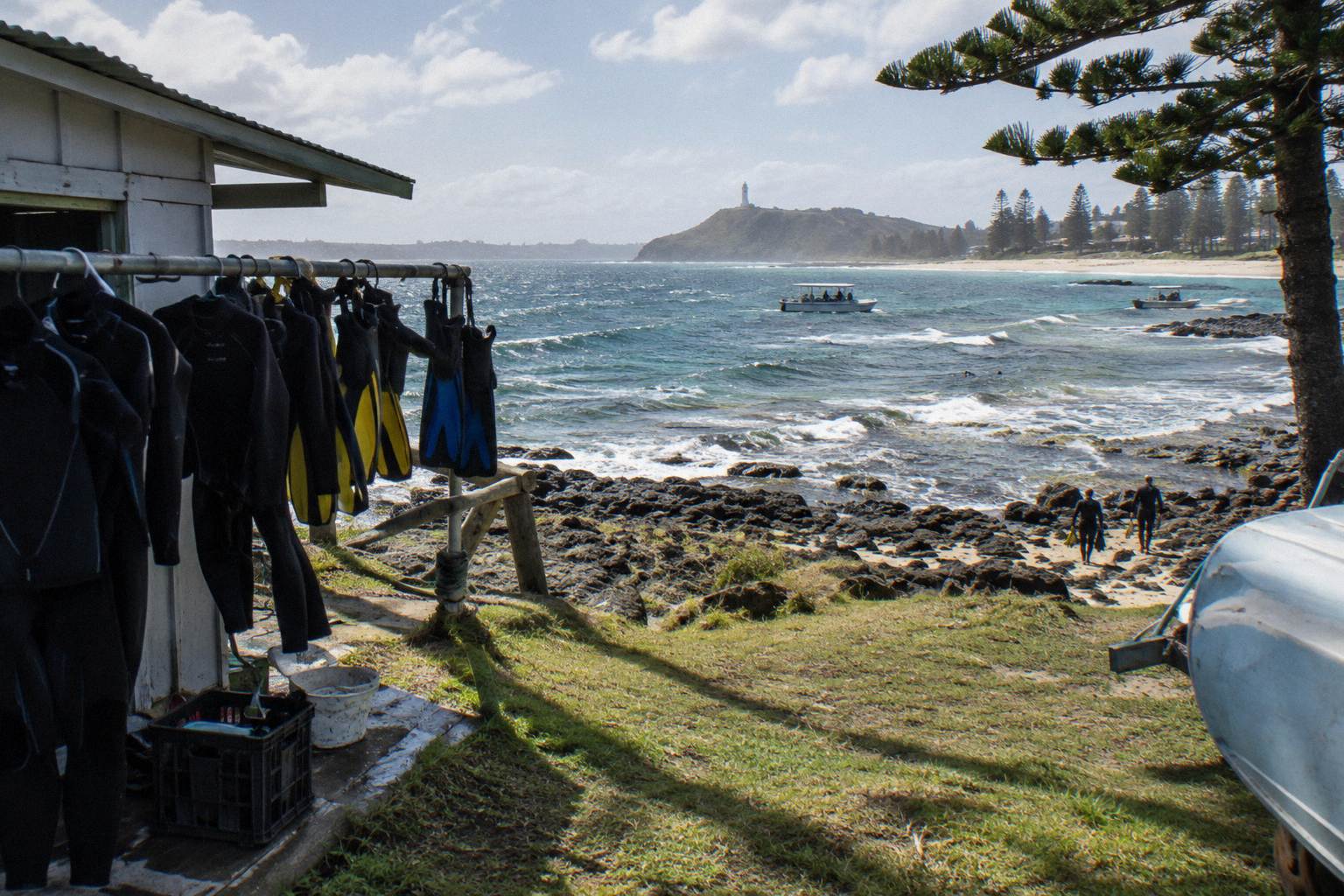
There is a nuance worth knowing. Included wetsuits are typically 3 to 5 mm short or long suits depending on the operator and the season, but only Byron Bay Dive Centre's 5 mm long advice is on file as a stated figure. Nothing in the sources specifies the thickness other operators supply, so do not assume a number. What you can rely on is that the major Julian Rocks trips include a wetsuit rather than renting one to you separately, which removes the hire decision from your planning entirely.
For nervous snorkellers the same FAQ is unusually specific: lifejackets are on board, and the operator suggests a long wetsuit or a pool noodle for extra float and confidence. That is worth reading twice. The suit is not just warmth, it is buoyancy and a handrail for the anxious. The full nervous-snorkeller angle, including the briefing question, is covered in the briefing for nervous snorkellers post.
| Operator or trip | Wetsuit and gear on record | Notes from the operator's own pages |
|---|---|---|
| Byron Bay Dive Centre, Sea Turtle Snorkel Tour | Fins, mask, snorkel and wetsuit included; 5 mm long wetsuit advised | Transport to The Pass included; no prescription masks, contact lenses fine |
| Turtle School Julian Rocks Snorkelling Tour | Same operator, same inclusions apply | About 3 hours total, around 60 minutes in the water |
| Blue Seafaris Julian Rocks Snorkelling Tour | Gear details on the live listing | Biologist-guided, about 2.5 hours, meets at Brunswick Heads Boat Harbour |
| Out Of The Blue Julian Rocks Snorkelling Tour | Gear details on the live listing | About 2.5 hours, meets at Brunswick Heads Boat Harbour |
One more gear fact from the FAQ: ginger seasickness tablets are on the boat, and bringing your own is recommended. The boat ride to the rocks is only about 5 to 10 minutes per the dive centre's FAQ, so this is a short crossing, but open water is open water. The seasickness on the Julian Rocks boat post takes that question further.
The featured Blue Seafaris trip is a natural fit for anyone whose wetsuit question is really a comfort question. It is biologist-guided, runs about 2.5 hours from Brunswick Heads Boat Harbour, from AUD 94 per person, rated 4.5 across 448 reviews on its booking page. Gear specifics sit on the listing, so you can read them before paying.
Which Trip Fits Which Sort Of Swimmer?
The trips differ less in water temperature, which is the same for everyone, and more in who they will take. Byron Bay Dive Centre sets a minimum age of 10 and requires comfortable swimming and ocean confidence. Another operator requires open-ocean snorkelling experience and a 200 m unassisted swim, with a minimum age of 7. A third sets a minimum age of 5, caps tours at 12 passengers and uses a naturalist guide.
So there is no single minimum age for Julian Rocks, and no single fitness bar. The minimum is the one printed on the page of the trip you actually book. The booking pages of the Blue Seafaris and Out Of The Blue trips state none, so for those two the honest instruction is to ask the operator directly.
Mapping traveller types to trips is the useful exercise. A family with a seven-year-old who swims well has one operator's stated policy in its favour and another's against it; a nervous first-timer benefits from a small passenger cap and a naturalist guide; a confident swimmer who wants the shortest commitment can take a 2.5-hour trip and be back on land by mid-afternoon. The how fit you need to be post covers the swimming side in detail.
“We saw leopard sharks, turtles and many other fish – truly impressive!”
The trip lengths differ enough to matter on a cool day. A 3-hour trip with around 60 minutes in the water means roughly two hours of boat time and briefing either side of the swim, which is exactly when you feel the wind. A 2.5-hour trip compresses that. Neither is better; they suit different tolerances for sitting in a wet suit on a deck.
The Turtle School trip above is the town-meeting-point option: check in at Byron Plaza on Jonson Street, with transport to the boat at The Pass included. Its rating and price are on the booking page, and the operator's own page carries the 2.5-hour, 60-minutes-in-the-water detail and the minimum age of 10.
Winds, Swells And When Trips Get Cancelled
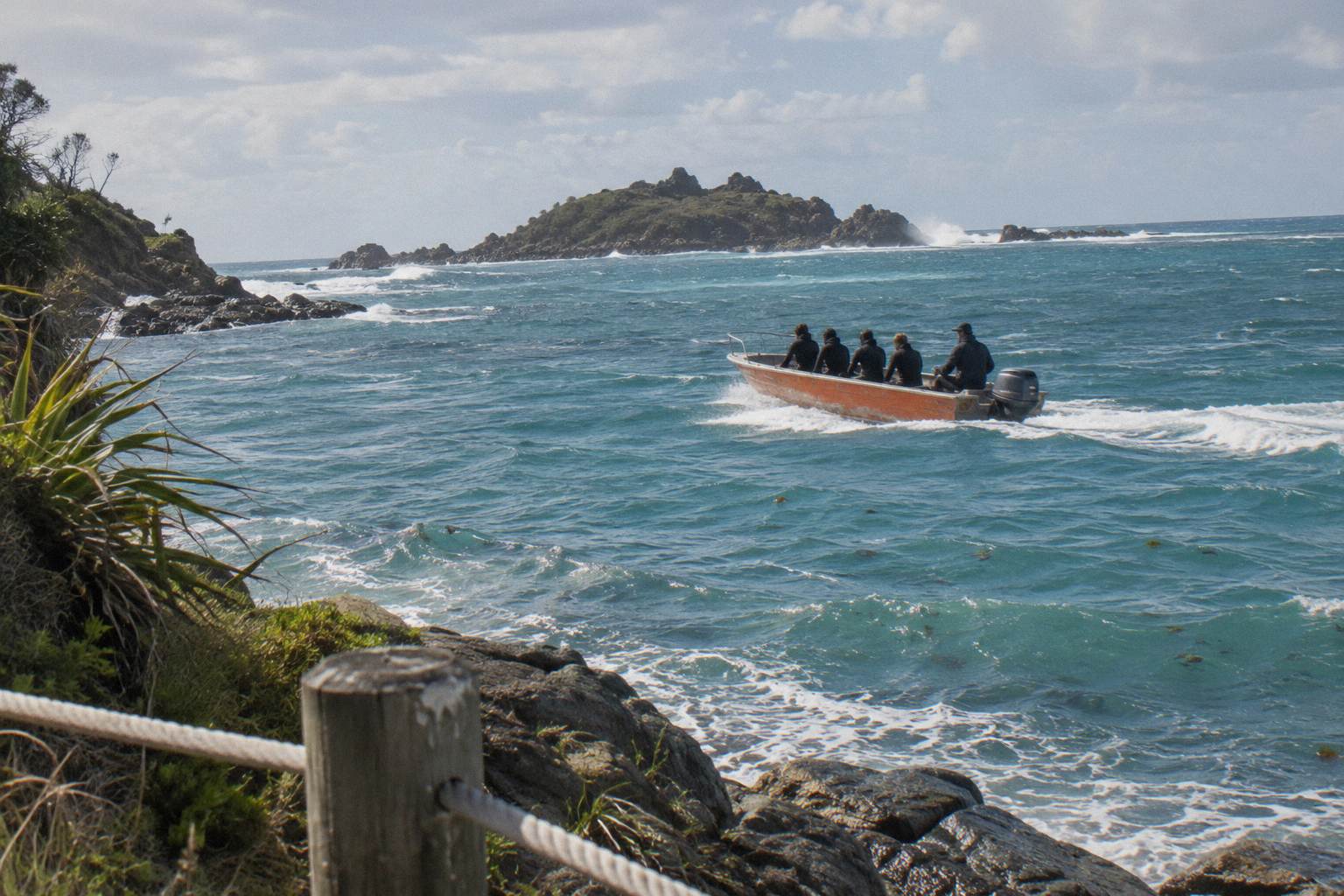
Julian Rocks is an open-ocean site where one operator states strong swells, currents, surges, cold water and winds are all possible, with strong northerlies noted between September and Christmas. When the sea is unsuitable, Byron Bay Dive Centre contacts guests by text or phone and offers a full refund or reschedule. Its cancellation policy is 48 hours, with a 100 percent fee inside that window.
That weather policy matters more than any temperature figure, because it is the one lever that actually moves your plans. Cold water you can dress for. A big swell cancels the day regardless of what you wear. The operator's own FAQ is explicit that weather calls come by text or phone, and that a full refund or reschedule follows, which is the reassurance most readers of a temperature page are really after. Everything else covered here is indexed on Julian Rocks Snorkelling.
The 48-hour cancellation window deserves attention when booking around a fickle season. Inside that window, the fee is 100 percent if you cancel, though an operator-initiated weather cancellation still refunds. Bookings made through an agent follow the agent's refund policy, a detail worth checking if you did not book direct. The what if the trip is cancelled for weather post works through the whole timeline.
The marine park's own rules shape how boats behave at the rocks, which in turn shapes your day on the water. Vessels limit speed to 4 knots within 200 m, anchoring is not permitted within 700 m, and seven marine park moorings each carry a 2-hour maximum, facts stated in the DPIRD Cape Byron Marine Park user guide. The 2-hour mooring cap is one practical reason trips are structured the way they are.
“Amazing snorkelling experience! Guides were great- super friendly and knowledgeable!”
For judging a specific date, the checking Byron Bay sea conditions post lists what to look at before you leave home.
What To Ask The Booking Desk Before You Pay
Five questions cover almost everything the sources leave unstated: what thickness and length of wetsuit the trip supplies, what the minimum age and swimming requirement is for that specific trip, what the weather-cancellation and refund terms are, what gear is included versus hired, and where the boat departs from. Each operator answers these differently, and only the listing you are booking has the answer that binds.
This checklist exists precisely because the temperature question cannot be answered with a number. You cannot ask "will the water be 21 degrees", but you can ask everything that actually determines whether you will be comfortable. Turn it into a table you can copy:
| Ask | Why it matters | On record already |
|---|---|---|
| Wetsuit thickness and length supplied | Decides warmth and buoyancy without a temperature figure | Byron Bay Dive Centre advises 5 mm long |
| Minimum age for this trip | Ages 5, 7 and 10 all appear across operators | Stated per operator, not universal |
| Swimming requirement | One operator requires 200 m unassisted in open ocean | Others state comfortable swimming |
| Weather cancellation terms | Full refund or reschedule if the operator calls it off | Byron Bay Dive Centre policy on file |
| Departure point and total duration | Brunswick Heads and The Pass are different logistics | Stated per trip |
The departure-point question is more practical than it sounds. Blue Seafaris and Out Of The Blue both meet at Brunswick Heads Boat Harbour, about 15 minutes north of Byron Bay, while Turtle School meets at Byron Plaza in town and transfers you to The Pass. Where you are staying, and whether you have a car, can make that difference the deciding one between otherwise similar trips.
Out Of The Blue runs about 2.5 hours from Brunswick Heads Boat Harbour, from AUD 94 per person, rated 4.4 across 167 reviews on its main booking page; a second booking page shows 4.7 across 58 reviews. Check availability beside the full Out Of The Blue tour page.
Ages, Health Rules And Who Cannot Go
Byron Bay Dive Centre prohibits guests with pregnancy or back or spinal injuries from vessel-based activities, and that rule is its own, not an industry-wide one. Minimum ages of 5, 7 and 10 appear on different operators' pages, so no universal minimum exists. The Blue Seafaris and Out Of The Blue booking pages state no minimum age, so ask the operator.
The health rule is worth stating plainly because it is the only hard medical exclusion on file, and it is specific to one operator. If it applies to you, that is a fact to check against every trip you consider, not an assumption to make about the rest. Other operators may carry similar rules, but the sources here do not say so, and this page will not guess.
Age, meanwhile, is genuinely scattered. The dive centre's turtle trip states 10. Another operator allows children from 7 provided they can swim and are accompanied by an adult guardian, and requires prior open-ocean snorkelling experience from everyone. A third takes children from 5, with small groups capped at 12 passengers and a naturalist guide aboard. Families can read more in the kids on the Julian Rocks snorkel trip guide.
One operator adds two more conditions worth knowing: over-65s need a GP clearance letter, with the same letter required again over 70, and the trip runs Wednesday to Sunday with a 1:30 pm check-in. These are that operator's rules, printed here attributed and not generalised, because a reader with a heart condition or a birthday matters more than a tidy paragraph.
Choosing Your Trip Around The Water
Match the trip to your cold tolerance and your confidence, not to a temperature you cannot look up. Confident swimmers wanting the shortest day suit either 2.5-hour Brunswick Heads trip. First-timers and families benefit from the small-group, naturalist-guided format or the town meeting point with transfer. Nervous snorkellers should confirm the pool-noodle and lifejacket options before booking.
Start from the wetsuit, because it equalises the temperature question. If a 5 mm long suit is supplied or advised, a winter day at Julian Rocks becomes a very different proposition from a bare swim. Then layer the secondary comforts: the length of the boat time, the size of the group, and whether the crew includes a biologist or naturalist who can turn a cold patch of water into an hour of guided watching.
Then match the season to what you want to see, using the operators' own words rather than invented degrees. Leopard sharks run December to April per one dive operator; grey nurse sharks occupy the colder June-to-November stretch but at dive depths, not snorkel depths; turtles are listed all year with an explicit no-guarantee from the dive centre. The will you reliably see turtles, sharks and rays post is honest about the odds.
“We saw so many sharks and turtles and different types of rays, the instructors and the skipper were great the whole time knowing the best spots and helping out along the way. I would recommend the early session as it was nice and quiet out by the rocks. One of the best things you can do on the east Coast.”
For the full picture of what a Julian Rocks day involves from check-in to boat, the Julian Rocks Byron Bay guide walks the whole timeline. And if your real question is whether the water is bearable at all, the answer on record is that winter can drop to 17 °C, a 5 mm suit is advised, and thousands of people snorkel here anyway. It is November now, spring in the southern hemisphere, which places you ahead of the coldest water and inside the shoulder before the December-to-April leopard shark window.
These three trips cover the spread of formats, meeting points and durations:
Common Questions About Byron Bay Water Temperature
What Is The Water Temperature At Julian Rocks In Winter?
One dive operator states winter water at the rocks "can drop to 17 °C (avg. ~20 °C)". That is the only sourced figure. No official monthly sea-temperature source exists for Byron Bay, so treat it as an attributed winter worst case rather than a forecast.
Is Byron Bay Water Too Cold To Snorkel In Winter?
Not with the right suit. Trips include a wetsuit, and Byron Bay Dive Centre advises a 5 mm long wetsuit for the duration of its trip. The operator also suggests a long wetsuit or pool noodle for nervous snorkellers, since the suit adds buoyancy as well as warmth.
Do I Need To Hire A Wetsuit For A Julian Rocks Snorkel Trip?
Generally no. Byron Bay Dive Centre includes fins, mask, snorkel and wetsuit on its Sea Turtle Snorkel Tour. Other operators' gear inclusions vary by trip, so check the live listing of the exact trip you book.
Which Month Has The Warmest Water At Byron Bay?
No source publishes monthly figures, so this page prints none. In general climate terms the Australian summer months are the warmest, and one dive operator's leopard shark season of December to April sits inside that warm stretch.
What Is The Sea Temperature At Julian Rocks By Month?
There is no month-by-month sea temperature table for Julian Rocks in any official or operator source found. Any site showing one is filling it in. The honest figure set is one operator's winter note and everyone else's seasonal wording.
Does The Trip Get Cancelled If The Water Is Cold?
No, cold alone does not cancel trips, and wetsuits handle it. Cancellations are about swell, current and wind. If the sea is unsuitable, Byron Bay Dive Centre contacts guests by text or phone with a full refund or reschedule.