Will I Get Seasick On The Boat To Julian Rocks?
A plain answer to the seasickness question for Julian Rocks snorkel trips: what the operators state, who is most at risk, and a checklist before you board.
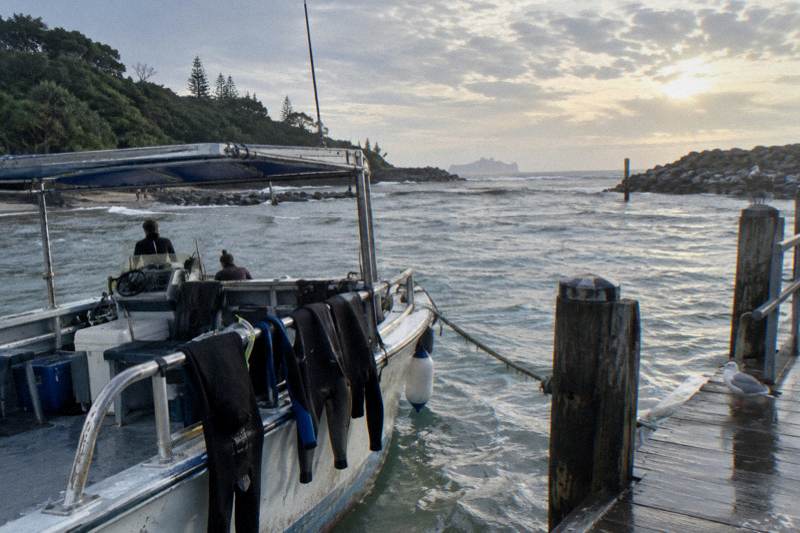
Probably not: Julian Rocks sits only about 2.5 km offshore, and operators put the boat ride from Byron Bay at roughly 5 to 10 minutes depending on the trip, so the crossing itself is brief. Byron Bay Dive Centre, which runs the Turtle School trips, keeps ginger seasickness tablets on the boat and recommends bringing your own as well.
That is the honest short version. Nobody can promise you will feel fine, because seasickness varies from person to person and from day to day, and the operators themselves do not publish success rates or comfort guarantees. What the sources do give you is a genuinely reassuring set of facts: a very short transit, gear and support on board, and clear cancellation rules if the sea turns nasty.
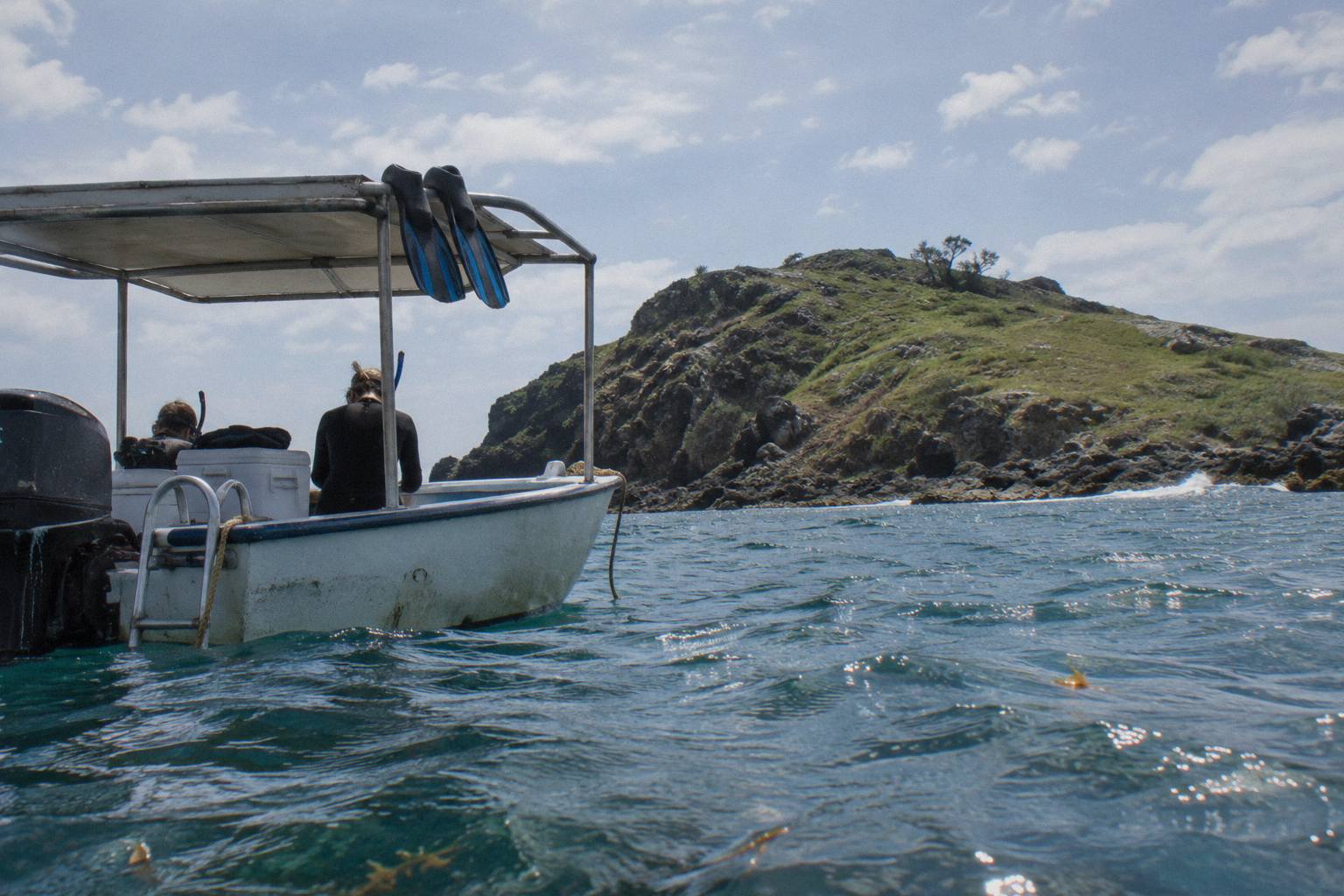
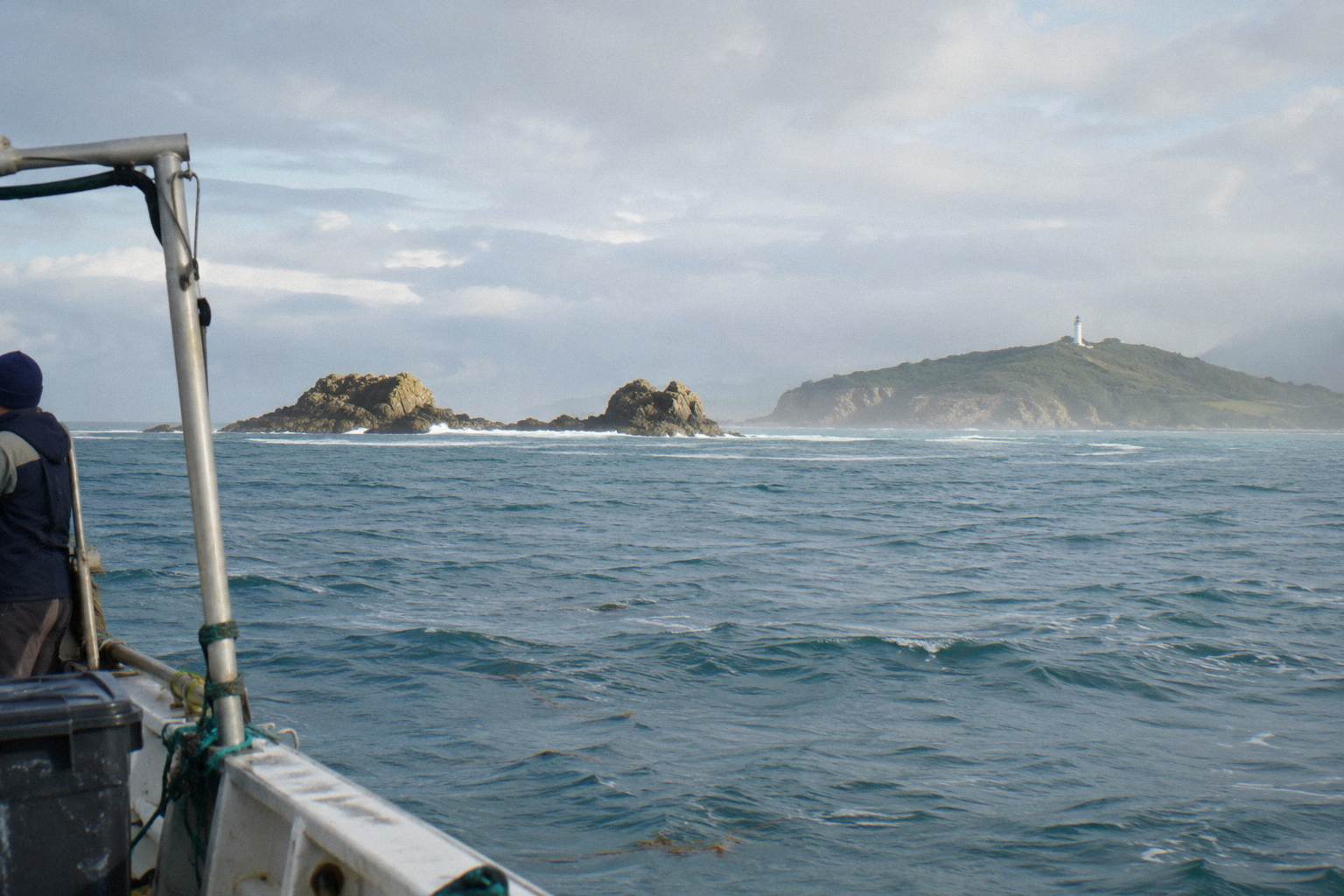
Julian Rocks, officially dual-named Nguthungulli Julian Rocks since July 2023, is an open-ocean site inside Cape Byron Marine Park, which runs about 37 km of coast and about 220 square kilometres of state waters. Open ocean means the site can serve up "strong swells, currents, surges, cold water and winds", in the words of one dive operator's own site. That is the honest backdrop to any seasickness question, and it is also why the trip is structured the way it is: a fast hop out, a sheltered shallow snorkel, and a fast hop back.
The reassurance is arithmetic before it is anything else. A ride of 5 to 10 minutes is not a fishing charter. It is closer to a ferry crossing in length, and there is very little time for motion to build into nausea. Most seasickness on boats develops over longer exposures, on winding routes, or on vessels that sit stationary in a swell for hours while people fish or dive. A Julian Rocks snorkel trip from Byron Bay is a short run, then a mooring, then snorkelling, which is a different activity entirely.
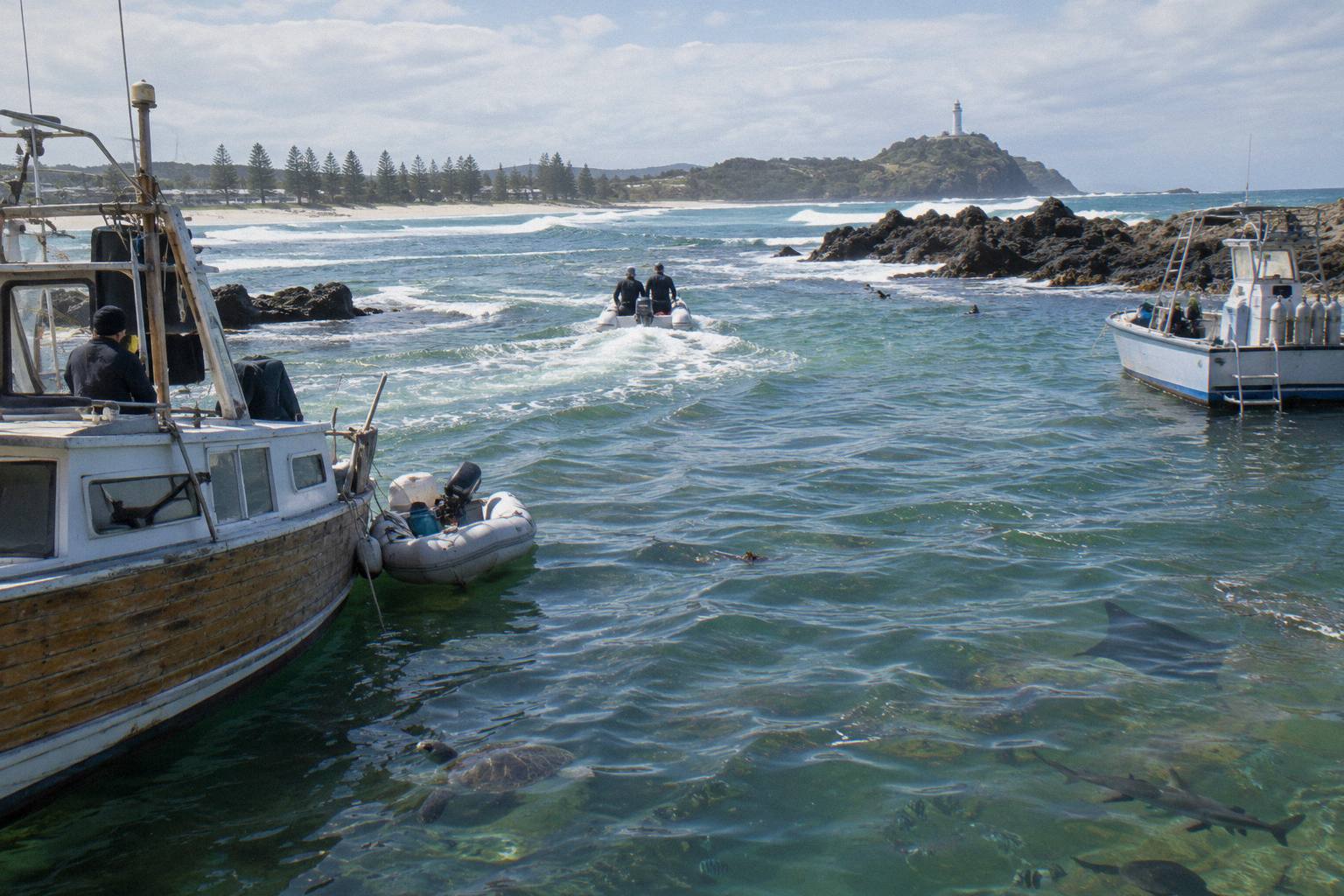
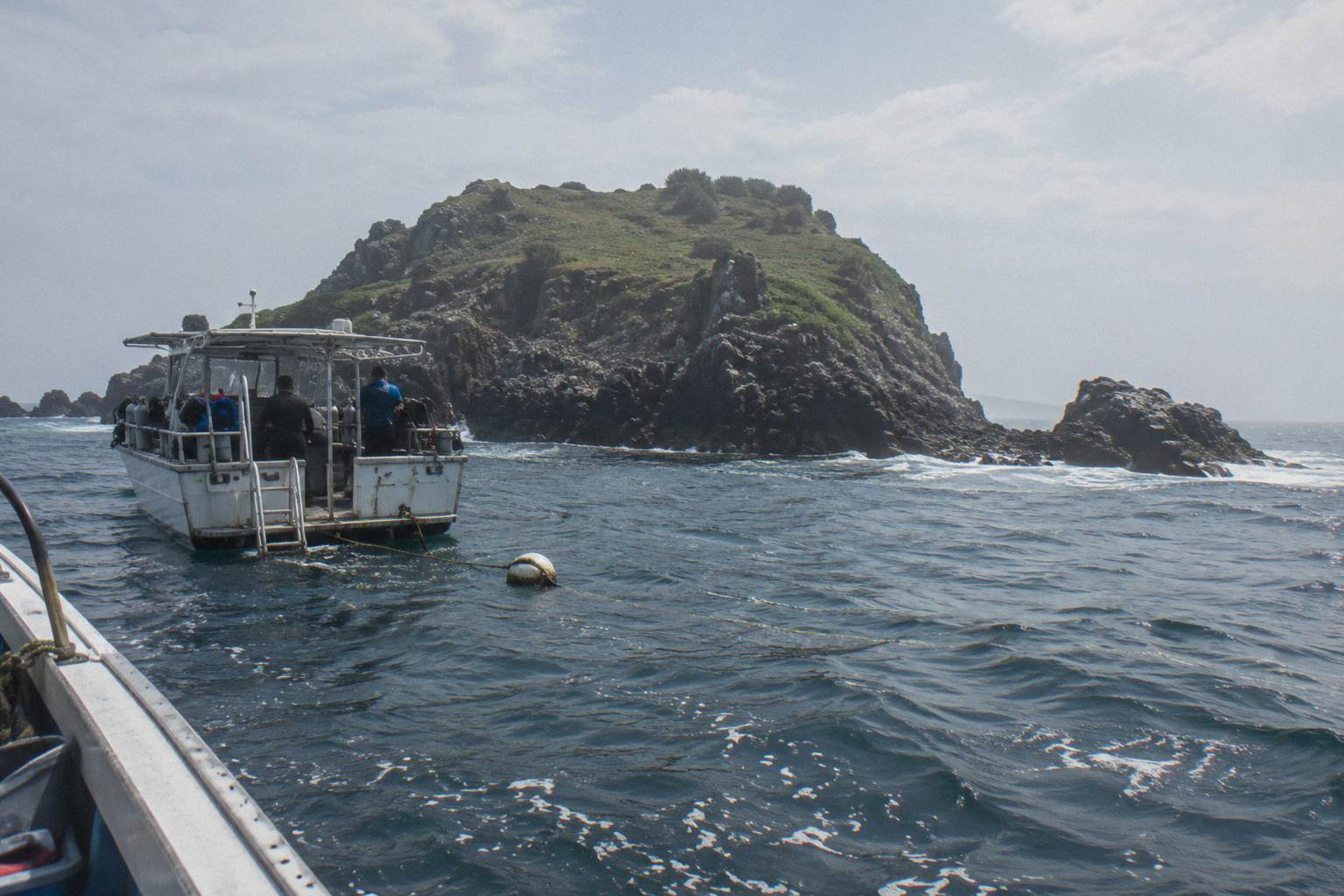
The Blue Seafaris Julian Rocks Snorkelling Tour is the one this site features for readers weighing exactly this worry. It is rated 4.5 across 448 reviews on the live listing, runs about 2.5 hours, is guided by a biologist, and costs from AUD 94 per person. For the queasy, the detail that matters is the crossing. Both this trip and the Out Of The Blue tour, also from AUD 94 and rated 4.4 across 167 reviews, leave from Brunswick Heads Boat Harbour at 43 Harbour Way, and each makes the run to the rocks by speedboat in 15 minutes each way. The boat leg is therefore short and defined: 15 minutes out, 15 back, with the rest of the outing spent at the reserve itself.
How Long Are You Actually On The Boat?
From Byron Bay the boat ride to Julian Rocks is about 5 to 10 minutes, per Byron Bay Dive Centre's own FAQ, with one operator rounding it to about 5 minutes. The trips themselves run longer: about 2.5 to 3 hours door to door, with roughly 50 to 60 minutes of that in the water. So your exposure to boat motion is the short legs out and back, not the whole trip.
“This excursion was absolutely incredible! We got to see turtles and were even lucky enough to see whales and dolphins very close to us in the water. The explanations from the marine biologist guide were a real plus, and a big thank you to the boat captain, who was so kind and friendly! We highly recommend this experience, without hesitation!”
Breaking a trip into its parts helps you see where motion actually sits. On the Turtle School Sea Turtle Snorkel Tour, the listing states about 2.5 hours in total with about 60 minutes in the water, plus a range of tour times across the day. The meeting point is Turtle School at Byron Plaza on Jonson Street, with transport included from that central meeting point to The Pass, where the vessel departs. The transit from The Pass to the rocks is the 5 to 10 minute leg.
The Blue Seafaris and Out Of The Blue trips each run about 2.5 hours from Brunswick Heads Boat Harbour. No water-time figure for those two trips is on file, so treat that as a question for the booking desk rather than a fact. The pattern across the roster is consistent though: short vessel legs bracketing a longer period either moored or in the water.
Here is the shape of each trip side by side, using only what the sources state:
| Trip | Total length | Time in water | Boat ride stated | Departure point |
|---|---|---|---|---|
| Turtle School, 3-Hour Snorkel | about 3 hours | about 60 min | 5 to 10 min from Byron Bay | Byron Plaza, then The Pass |
| Blue Seafaris, 2.5-Hour Snorkel | about 2.5 hours | Not stated | not stated from Brunswick Heads | 43 Harbour Way, Brunswick Heads |
| Out Of The Blue, Brunswick Heads | about 2.5 hours | Not stated | Not stated | Brunswick Heads Boat Harbour |
| Turtle-Focused Snorkel From Byron Town | about 2.5 hours | Not stated | 5 to 10 min per operator FAQ | check the booking page |
One more thing worth knowing: once at the rocks, boats do not anchor. Anchoring is not permitted within 700 m of Julian Rocks, vessels must limit speed to 4 knots within 200 m, and there are seven marine park moorings with a 2 hour maximum, per the DPIRD user guide. In practice that means the vessel is tied to a mooring during your snorkel, which is a steadier platform than drifting, and it explains why the ride is chopped into two short bursts rather than one long exposure.
What The Operators Themselves Say About Seasickness
Only one operator in the sources addresses seasickness directly: Byron Bay Dive Centre states that ginger seasickness tablets are on the boat and recommends bringing your own tablets too. No operator publishes a seasickness rate, a comfort guarantee, or a policy on where you sit. Everything else on this page is decision logic built around that one stated fact, not operator promises.
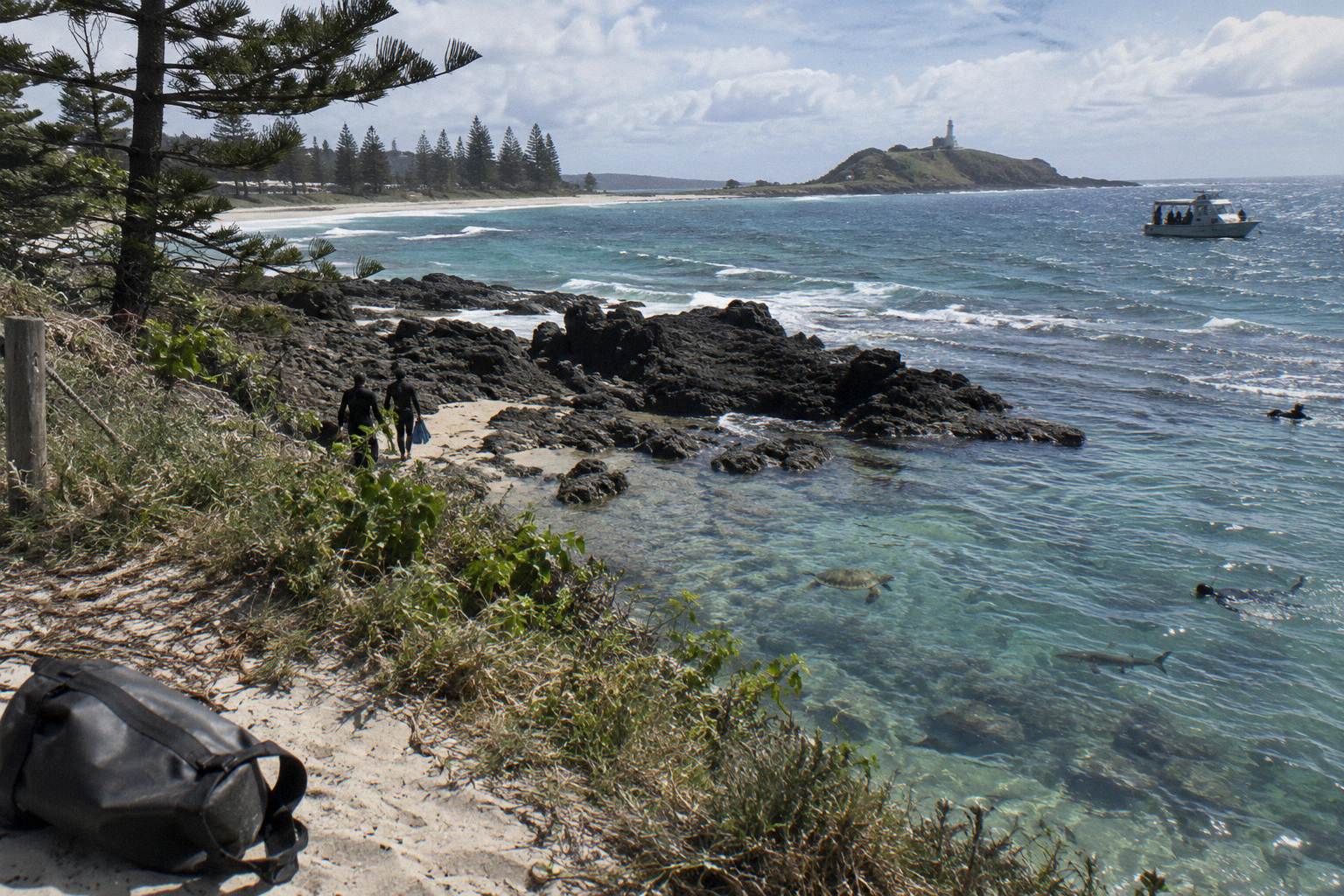
That is a genuinely thin evidence base, and it is better to say so plainly than to invent reassurance. The direct source is the Byron Bay Dive Centre FAQ page, which covers the Turtle School and sea turtle trips. It confirms ginger tablets on board, and it pairs that with practical comfort measures that matter to a nervous snorkeller: 5 mm long wetsuits are advised for the duration, lifejackets are on board, and the operator suggests a long wetsuit or a pool noodle for nervous snorkellers in the water.
The same FAQ is candid about the site's conditions. It flags no pick-up from accommodation, and the swimming standard is firm rather than vague: Blue Seafaris asks that you be comfortable swimming in open water, Out Of The Blue Adventures requires you to swim 200 m unassisted before booking, and Turtle School (Byron Bay Dive Centre) asks for 200 m unassisted in open ocean. The FAQ also repeats the 5 to 10 minute ride figure. For weather, the policy is clear: if the weather or sea is unsuitable, guests are contacted by text or phone with a full refund or reschedule option. The cancellation policy is 48 hours, with a 100 percent fee inside that window, and bookings made through an agent follow the agent's refund policy.
“Beautiful trip and saw so much sea life. It was absolutely amazing. The guide did a great job! Overal 12/10 experience!”
For the other operators, the honest answer is that seasickness handling is not stated. Blue Seafaris has a marine biologist guide per its listing and runs about 2.5 hours in total, and Out Of The Blue runs about 2.5 hours, but neither trip page in the sources mentions tablets, seating, or motion policy. Ask the booking desk. If seasickness is the thing standing between you and booking, that question is a fair test of how the operator treats nervous guests generally.
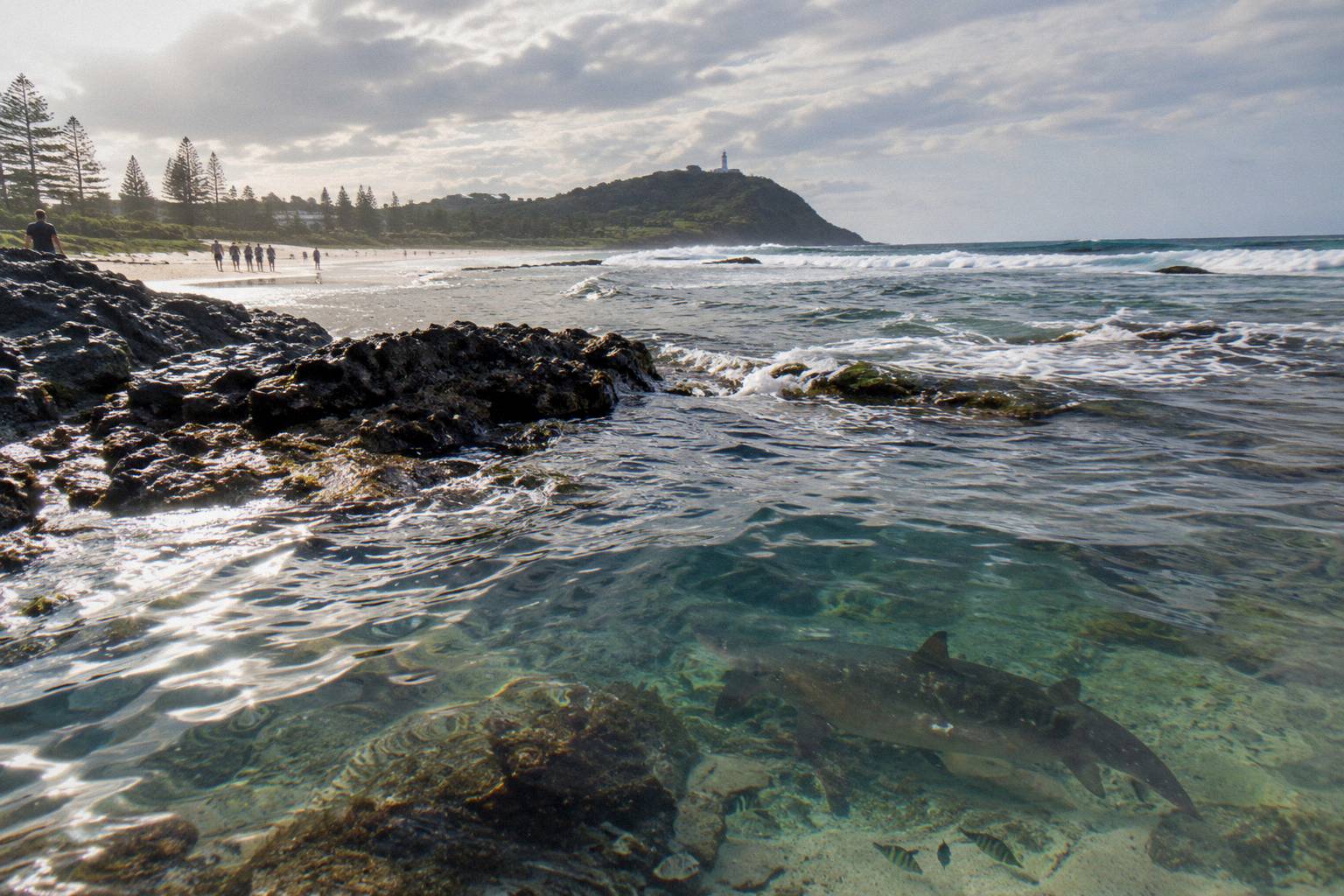
If you want the trip with seasickness support stated in writing, this is the one:
Who Is Most Likely To Feel Queasy On This Trip
People who regularly get motion sick in cars, on ferries or on winding roads carry the most risk, and anyone who has been sick on a boat before should plan tablets before departure day. The trip's short ride lowers exposure but does not remove it, and the open-ocean site means a swell can be running even on a sunny morning. Nothing in the sources quantifies risk, so self-knowledge is your best guide.
Start with your own history, because it predicts more than any brochure. If you are fine on a 20 minute ferry crossing, a 5 to 10 minute run to the rocks at speed is unlikely to trouble you. If winding car trips or back-seat reading reliably turn your stomach, treat this as a mild risk worth managing, not a reason to stay ashore. Nobody in the sources offers a formula, and any percentage you read elsewhere is invented.
“I had an amazing trip! The boat was super fun, the guide was excellent and I swam with turtles, wobbegongs, a spotted ray and saw two octopus! Heaps of beautiful fish too. I wouldn’t have noticed half the sea creatures without our expert guide pointing them out! Thoroughly recommend the team at Blue Seafaris!”
Next, think about the calendar. One dive operator notes strong northerlies "between September and Christmas", and it is spring in the southern hemisphere right now, which sits inside that window. The same operator's dive-site page gives winter water that "can drop to 17 °C (avg. ~20 °C)", and cold water plus chop is a more uncomfortable combination than warm flat conditions. Summer months bring manta rays and leopard sharks, turtles are listed all year, and none of that affects motion, but the season you pick can affect the sea state you ride out in.
There are also physiological factors that sit outside this article's scope. Pregnancy is worth a special note here because it is one of the few hard rules on file: Byron Bay Dive Centre prohibits guests with pregnancy, or back or spinal injuries, from vessel-based activities. That is that operator's rule, not a general one, and it is a reminder to raise any medical question with your doctor before booking, not with a travel site.
A rough guide by traveller type, built from the stated facts only:
| Traveller type | Realistic risk | What to do |
|---|---|---|
| Never motion sick, boat experience | Low | Book any trip; still take water and a light meal |
| Queasy in cars, fine on water | Low to mild | Sit mid-boat on the ride out; ginger or your usual tablets |
| Sick on previous boat trips | Moderate | Take your own tablets before boarding, per operator advice |
| First time on open ocean | Unknown | Choose a stated-support trip; ask the desk about conditions that day |
| Pregnant or spinal or back issues | Prohibited (one operator) | Check rules before booking; ask your doctor |
Note what is missing from that table: no seasickness percentages, because no source states any. A page that quotes you a number like "30 percent of snorkellers" is guessing. The decision logic above is as far as the evidence goes.
A Before-you-board Checklist
Ask the booking desk five things: how long is the ride from your departure point, what the forecast swell is doing, whether tablets are carried, where you can sit, and what the reschedule rule is if you feel unwell or the sea is rough. Each question maps to a fact or gap in the sources, and together they settle the decision faster than any general advice.
The ride-length question matters because the stated 5 to 10 minute figure applies to departures from Byron Bay. Blue Seafaris and Out Of The Blue leave from Brunswick Heads Boat Harbour, 15 minutes north of Byron Bay, and both state a 15-minute speedboat ride each way. The transit is longer, and it is stated up front. A longer ride does not mean a bad trip, but it changes your preparation if you are prone to nausea, and it is a two-second question.
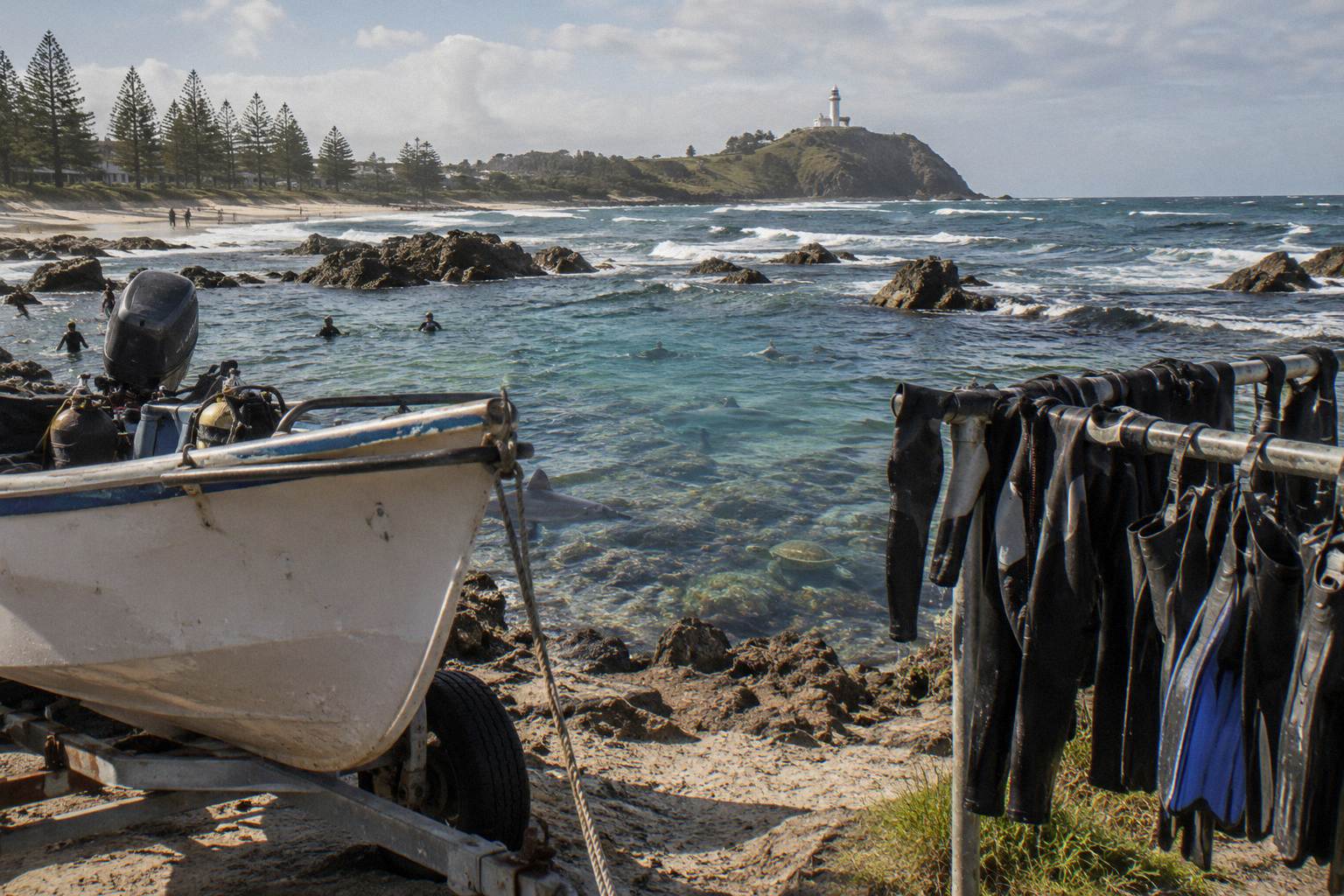
The conditions question is worth asking on the morning itself. One operator's site lists strong northerlies between September and Christmas as a feature of the season, and the general conditions line about strong swells, currents and surges is permanent. Byron Bay Dive Centre's stated policy is to contact guests by text or phone if weather or sea is unsuitable, with a full refund or reschedule, so a rough day does not cost you the fare on that trip. Confirm the same applies on whichever trip you book.
Your own preparation is where you have real control. Take your usual motion-sickness remedy before boarding rather than after you feel unwell, follow the packet or your doctor's guidance, and bring your own tablets even on the trip that stocks ginger ones, as that operator itself recommends. Eat something light beforehand rather than nothing. On the ride, sit where motion is least, typically nearer the middle and lower down, and keep your eyes on the horizon. In the water, a mask and snorkel often settle a stomach that rolling decks upset, because your head is down, your breathing is slow, and you are floating rather than being thrown around.
“We saw leopard sharks, turtles and many other fish – truly impressive!”
The checklist in full:
- Ask the ride time from the actual departure point, Brunswick Heads or Byron Bay.
- Check the swell and wind forecast for the morning, and ask the operator how the day looks.
- Confirm whether seasickness tablets are carried, and bring your own regardless.
- Ask where a nervous passenger should sit on the outbound leg.
- Confirm the cancellation and reschedule window before paying.
- Raise any medical question with your doctor, not with a booking page.
Which Trips Fit A Nervous Stomach
The Turtle School trip is the one with seasickness support stated in writing, and the sea turtle trips from Byron Bay keep the boat legs shortest at 5 to 10 minutes from The Pass. The Brunswick Heads trips do state their ride time, a 15-minute speedboat run each way, but neither listing mentions on-board seasickness support, so ask before booking either.
Start with the stated facts. Byron Bay Dive Centre's pages cover both the Turtle School Sea Turtle Snorkel Tour and the turtle-focused experience: gear, wetsuit and transport from the central meeting point to The Pass are included, ginger tablets are on the boat, lifejackets are on board, and nervous snorkellers are offered a long wetsuit or a pool noodle. That is the fullest comfort package in the sources, aimed partly at exactly this reader.
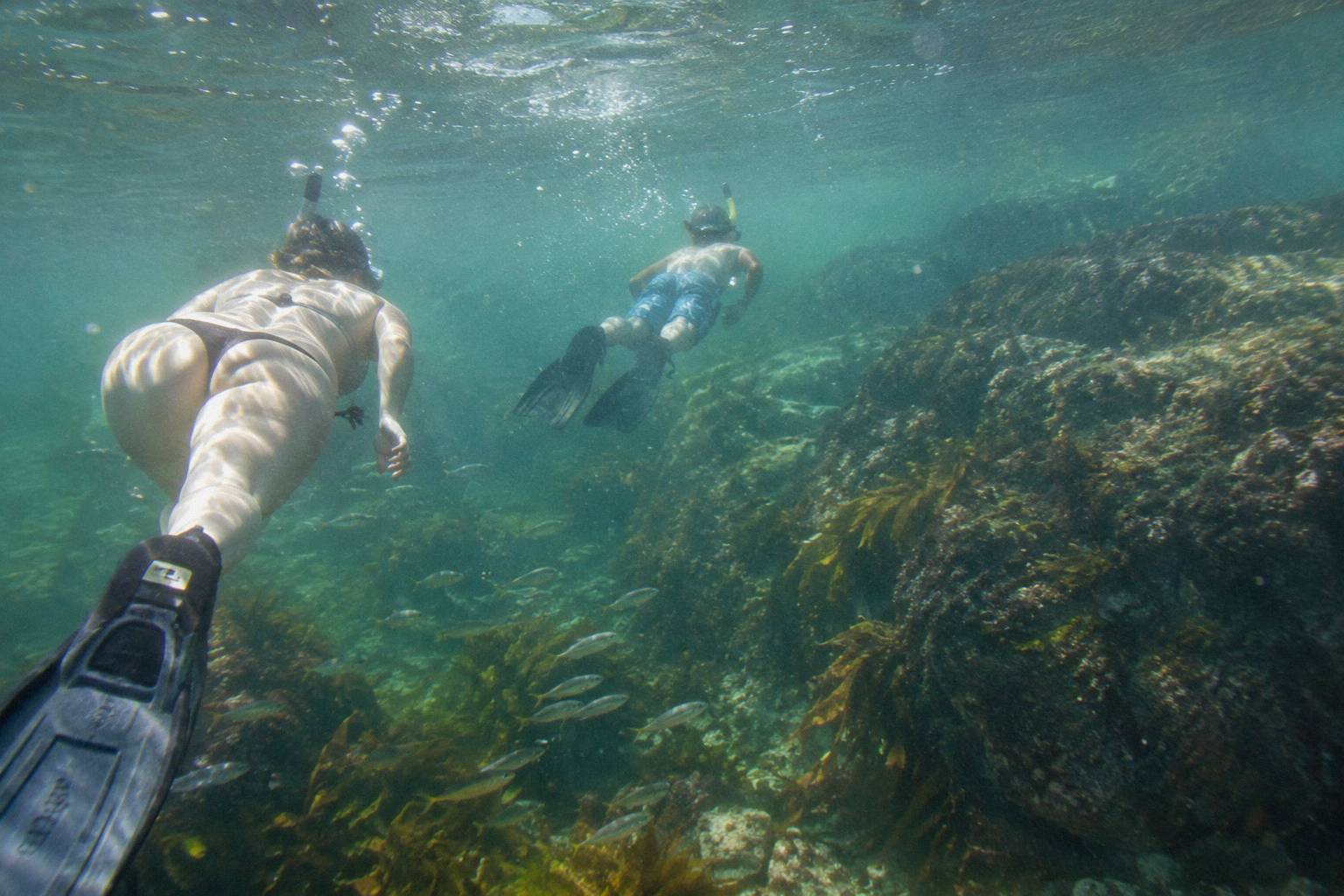
The sea turtle experience from Byron town runs on the same operator's framework, about 2.5 hours with the same departure area. For a first-time ocean snorkeller, either version pairs the shortest stated ride with the most spelled-out support, which is exactly the combination a queasy traveller wants.
Then there are the Brunswick Heads options. Blue Seafaris, biologist-guided and rated 4.5 across 448 reviews at from AUD 94, and Out Of The Blue at the same from-price and 4.4 across 167 reviews, both meet at Brunswick Heads Boat Harbour and both list a 15-minute speedboat ride each way to the snorkel site. What neither page in the sources states is any on-board seasickness provision. That is not a mark against them; it is simply a gap you should close with a question before you pay, using the checklist above.
One comfort fact applies across the whole roster once you are in the water: snorkel trips stay in shallow, sheltered areas of 3 to 12 m, per operator wording, and dive depths of 8 to 24 m are a different activity. The in-water part of a snorkel trip is the calmest part of the day, and for many people the water is where any leftover queasiness fades.
What Happens If Conditions Turn Rough
Byron Bay Dive Centre states it contacts guests by text or phone if weather or sea is unsuitable, with a full refund or reschedule, and its cancellation window is 48 hours with a 100 percent fee inside it. No other operator's weather policy is stated in the sources for these trips, so confirm yours before booking. Rough-day protection is a seasickness strategy: it removes the pressure to go out on a bad morning.
“AMAZING! The fun began on the boat ride out there and the marine life we saw was spectacular. Our guides, Matt and Will, were brilliant and had an obvious passion for marine life. 10/10 would recommend.”
The open-ocean reality deserves restating here, once, because it is the reason a weather policy matters. The site can produce strong swells, currents, surges, cold water and winds, in one operator's own words, and spring sits inside the strong-northerlies window that operator flags between September and Christmas. None of that is a reason to stay home; it is a reason to book a trip whose bad-day rules you know.
For practical planning around seasons and conditions, the site's guides go deeper than this page needs to: read up on the best month to snorkel Julian Rocks before you fix a date, and check where to check Byron Bay sea conditions first rather than relying on the beach view from town.
Two more pages fit the nervous-first-timer path this article is really about. The question of whether non-swimmers can snorkel at Julian Rocks matters because one operator requires open-ocean experience and the ability to swim 200 m unassisted, while another sets its minimum age at 5, and comfort in the ocean is part of the same picture as comfort on the boat. And if the whole idea of a small boat is the sticking point, the dolphin kayak versus snorkel trip comparison lays out a shore-launched alternative that skips the boat leg entirely. For everything on this site in one place, start at Julian Rocks Snorkelling and work outward.
If you are down to two or three candidates, this is the same shortlist again:
Common Questions About Seasickness On The Julian Rocks Boat
Will I Get Seasick On The Boat To Julian Rocks?
Probably not, but nobody can promise. The ride from Byron Bay is about 5 to 10 minutes, Byron Bay Dive Centre keeps ginger seasickness tablets on the boat, and no operator publishes a seasickness rate. If you get motion sick regularly, take your usual remedy before boarding and bring your own tablets.
How Long Is The Boat Ride To Julian Rocks?
Byron Bay Dive Centre states approximately 5 to 10 minutes from Byron Bay, and one operator rounds it to about 5 minutes. A ride time from Brunswick Heads Boat Harbour, where the Blue Seafaris and Out Of The Blue trips depart, is not stated anywhere, so ask the operator if you book one of those.
Do The Boats Carry Seasickness Tablets?
Byron Bay Dive Centre does: its FAQ states ginger seasickness tablets are on the boat and recommends bringing your own tablets as well. Whether the other operators carry anything is not stated in the sources, so check with the booking desk before you rely on it.
What If The Sea Is Too Rough On My Trip Day?
Byron Bay Dive Centre states it contacts guests by text or phone if the weather or sea is unsuitable, offering a full refund or reschedule. Its cancellation policy is 48 hours, with a 100 percent fee inside that window. Other operators' weather policies are not stated for these trips, so confirm before booking.
Is The Snorkelling Part Rougher Than The Boat Ride?
Generally no. Snorkel trips stay in shallow, sheltered areas of 3 to 12 m per operator wording, and being in the water floating often settles a stomach that the boat upset. The site is open ocean, so swells and currents are possible, which is why swimming confidence is a stated requirement.
Can I Take My Own Seasickness Medication?
Yes, and the one operator that addresses it recommends exactly that. Bring your own tablets and follow the packet or your doctor's guidance. For any medical question, including interactions or what suits you personally, ask your doctor rather than a booking page.