Where To Check Byron Bay Sea Conditions Before A Snorkel Trip
The honest answer on where Byron Bay snorkellers can check sea conditions before a Julian Rocks trip, what the operators say about swells and winds, and what to ask the booking desk.
The two sources worth checking are the Bureau of Meteorology marine forecast, which covers wind, swell and warnings, and the operator you booked with, because the operator, not a website, decides whether the boat goes out. Byron Bay Dive Centre states that when the weather or sea is unsuitable it contacts guests by text or phone with a full refund or reschedule offer. Everything else is context rather than a verdict.
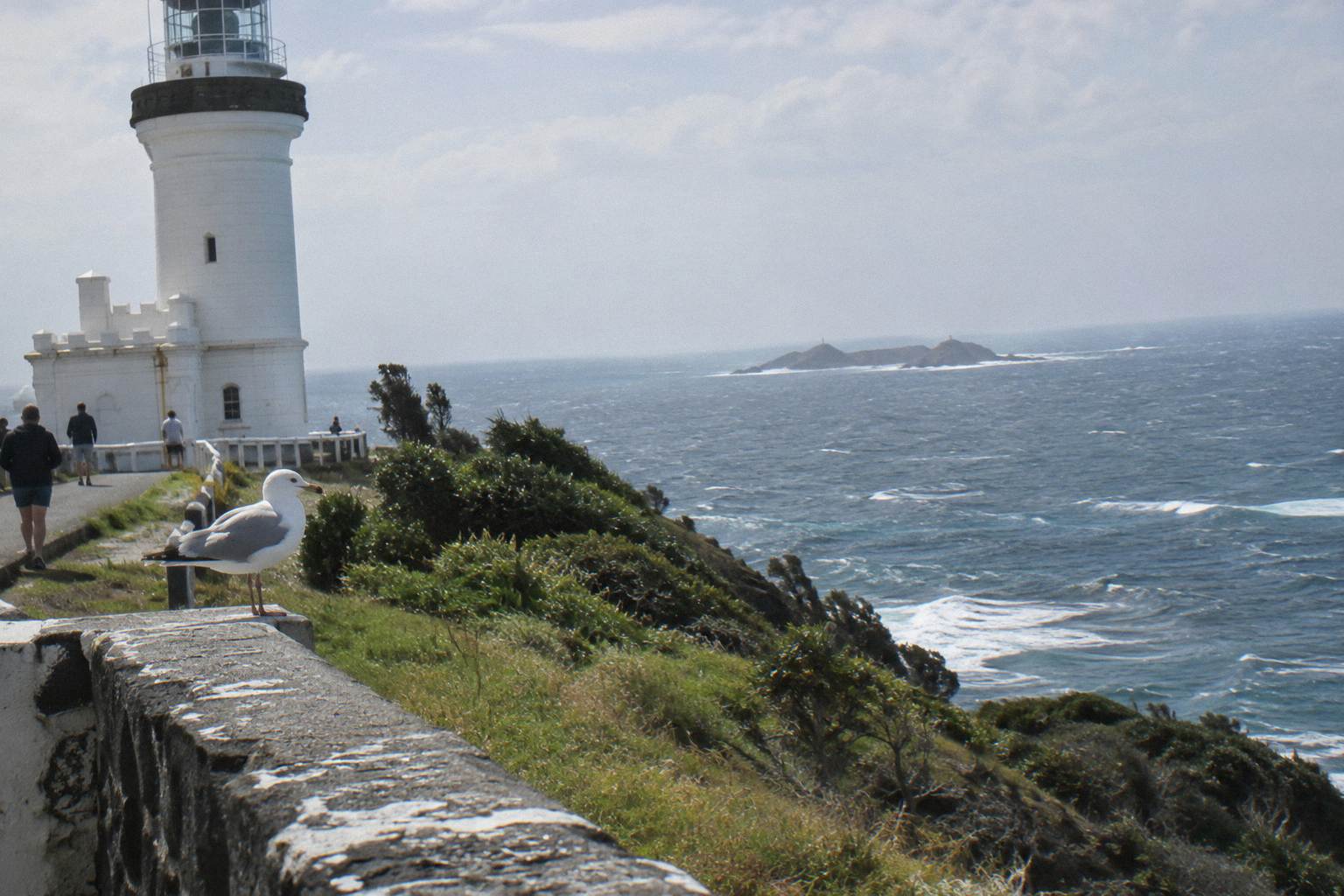
That distinction matters more at Julian Rocks than at most Australian snorkel spots. The rocks sit about 2.5 km offshore in open ocean, and one dive operator describes the site honestly: strong swells, currents, surges, cold water and winds are all possible. A beach that looks flat from the lighthouse walk does not necessarily tell you what the water is doing around the rocks themselves, and a messy-looking morning in town can clear into a workable sea by the time an afternoon trip checks in.
So the practical routine for a snorkeller is short. Read the Bureau of Meteorology marine forecast the night before and again on the morning of your trip, note any wind or swell warnings for the Byron Bay coast, then leave the final word to the operator. If the trip is on, you will hear nothing or a confirmation. If the sea is unsuitable, Byron Bay Dive Centre's stated process kicks in: a text or phone call, and a choice between a full refund and a reschedule.
The research site Julian Rocks Snorkelling keeps this page deliberately plain-words because the underlying fact is simple: no official public page exists that says "snorkelling is on today at Julian Rocks." The marine park authority publishes zoning rules, not daily sea reports, and the operators publish trip pages, not condition dashboards. Your two real sources are the forecast and the booking desk.
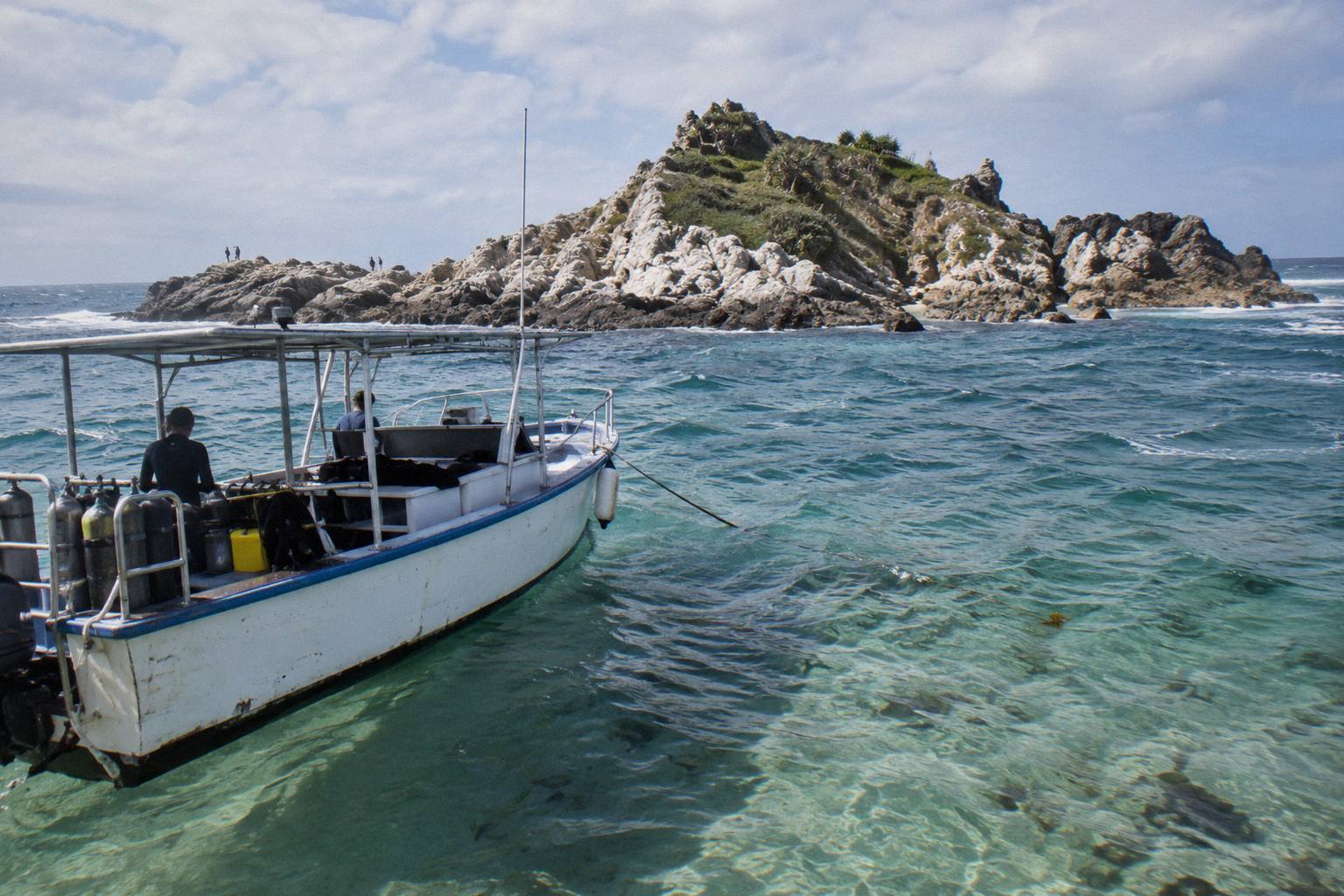
Each one runs to the same stretch of shallow, sheltered reef, and each leaves the go-or-no-go decision to its own crew on the day.
What The Operators Actually Say About Swells, Currents And Wind
One dive operator's dive-site page warns that Julian Rocks is an open-ocean site where strong swells, currents, surges, cold water and winds can occur, and adds that strong northerlies can blow between September and Christmas. Winter water on the same page can drop to 17 °C against a rough average near 20 °C. No operator publishes a swell limit or a wind figure at which trips cancel.
That northerlies window is worth sitting with for a moment, because it lands squarely across the spring and early-summer booking season. If you are travelling between September and Christmas, the operator's own wording says those winds are a known feature of that stretch of the year, and a morning trip can be cancelled while an afternoon trip the same day runs, or the reverse. The forecast will show you the wind direction; only the operator will tell you which departure survives it.
“This excursion was absolutely incredible! We got to see turtles and were even lucky enough to see whales and dolphins very close to us in the water. The explanations from the marine biologist guide were a real plus, and a big thank you to the boat captain, who was so kind and friendly! We highly recommend this experience, without hesitation!”
The other condition thread in the operator pages is temperature. The 17 °C winter figure and the roughly 20 °C average come from one operator's dive-site page, and this article reports it once, attributed, exactly as stated. There is no official month-by-month sea-temperature source for Byron Bay in the research behind this site, so this page deliberately avoids any monthly temperature table, any "average in March" figure, and any visibility number. A page that invents those is guessing, and you would be packing for a guess.
“Beautiful trip and saw so much sea life. It was absolutely amazing. The guide did a great job! Overal 12/10 experience!”
The marine park context explains why the site behaves the way it does. The East Australian Current meets cooler southern water around this coast, which is why the rocks hold more than a thousand marine species by operator counts, and also why conditions can shift quickly between warm clear water and a cold, stirred-up sea. The park itself stretches about 37 km of coastline and roughly 220 square kilometres of state waters, and its zoning and rules have been in force since May 2006, as the NSW Department of Primary Industries and Regional Development sets out on its Cape Byron Marine Park page. Rules are stable; the sea is not.
One more honest note on scope: the research file behind this site holds no swell-height thresholds, no current-speed figures and no visibility statistics from any operator or agency. Anything numeric beyond the 17 °C winter figure and the 4-knot and 700-metre park rules would be invented here, so it stays out.
Who Decides Whether Your Trip Runs, And How You Find Out
The operator decides, on the day, crew-side, using its own read of the sea. Byron Bay Dive Centre states that if the weather or sea is unsuitable, guests are contacted by text or phone and offered a full refund or a reschedule. Its cancellation window is 48 hours with a 100 percent fee inside it, and agent bookings follow the agent's policy. For the other trips, the cancellation terms are on the booking page.
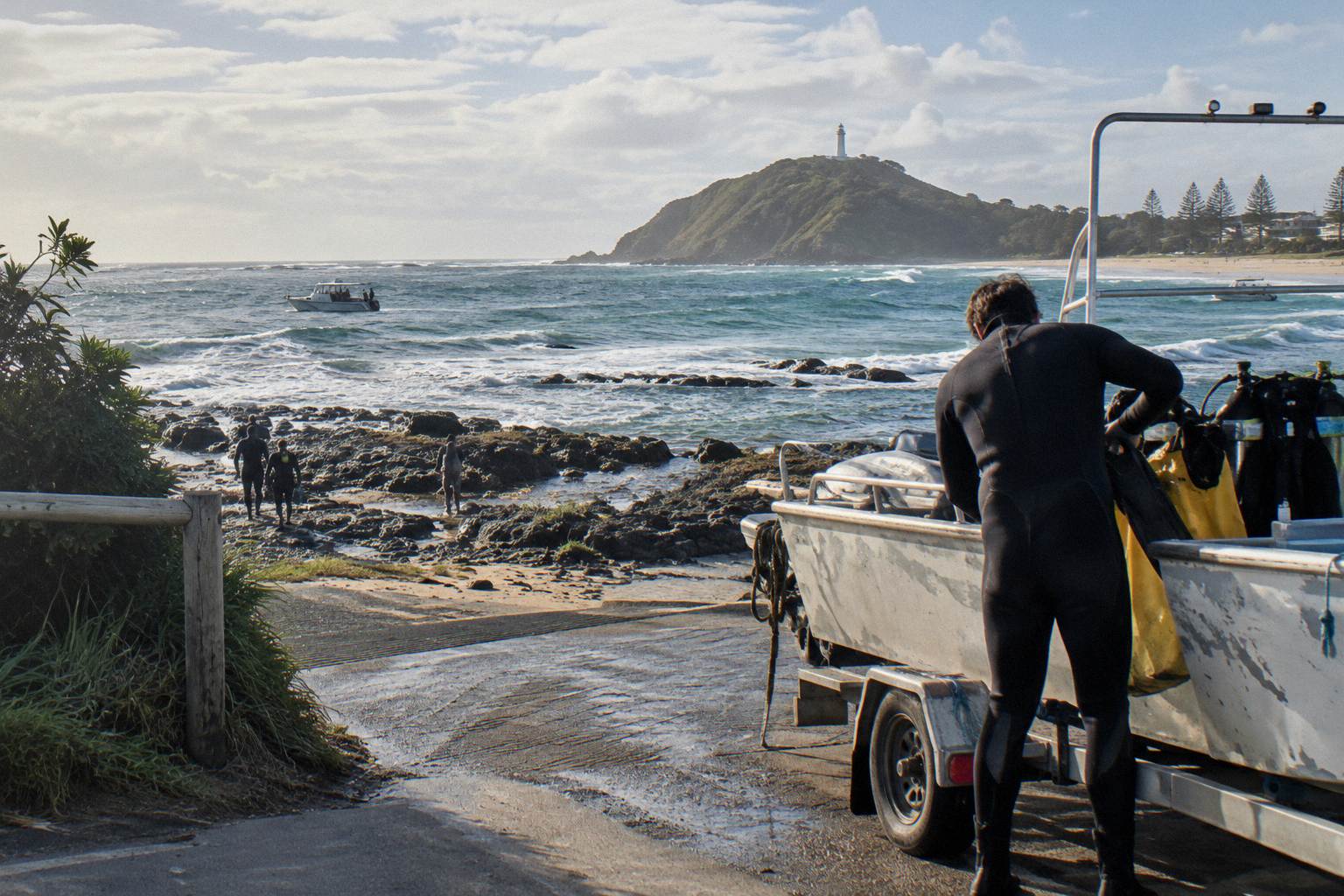
This is why the question "where do I check conditions" has a slightly sideways answer. You check the forecast to manage your own expectations, and you let the operator's call manage your money. There is no scenario where reading a surf report yourself gets a cancelled trip reinstated, and no scenario where a perfect-looking forecast obliges a skipper to launch into a sea he does not like.
The refund mechanics differ enough between channels that it pays to know which one you booked through before the morning of the trip. A direct booking with Byron Bay Dive Centre follows its stated text-or-call process and its 48-hour window. A booking made through an agent follows the agent's policy on refunds, which the dive centre's own FAQ points out plainly.
Among the trips that do publish booking-page figures, the Blue Seafaris 2.5-hour snorkel from Brunswick Heads Boat Harbour runs from AUD 94 per person and carries a 4.5 rating across 448 reviews on the live listing, which makes it the most-reviewed snorkel-only option on the roster. You can read the full rundown on the Blue Seafaris Julian Rocks tour page and check availability once you have a date in mind.
A useful habit, whatever you book: put the operator's phone number in your phone at booking time, keep your phone reachable on the morning, and treat any message from an unknown local number as probably your skipper. Guests who miss the text are the ones who end up standing at a boat ramp wondering.
A Plain Checklist Of What To Ask The Booking Desk
Six questions cover everything the sources support: ask how you will be notified if the sea is unsuitable, what the cancellation window and fee are, whether the refund is full or partial, what the minimum swimming standard is, the minimum age, and where the boat departs from. Each answer is either stated on an operator page or sitting on the booking page, and asking costs nothing at booking time.
“I loved snorkeling in Byron Bay. The things to do were amazing, and the live guides were reassuring. We saw leopard sharks, turtles, fish, and even a whale on the way back. I recommend the things to do 100%. Thank you!”
The table below turns those questions into a printable checklist, with the answers the research file actually holds. Where a cell says the answer is not stated, that is a finding, not a gap in the writing: the honest move is to ask, not to guess.
| What to ask | What the sources say | Why it matters on the day |
|---|---|---|
| How will you contact me if the sea is unsuitable? | Byron Bay Dive Centre: text or phone | You need your phone on and reachable |
| What is the cancellation window? | Byron Bay Dive Centre: 48 hours; other trips: on the booking page | Agent bookings follow the agent's policy |
| What is the fee inside the window? | Byron Bay Dive Centre: 100 percent | Rescheduling early avoids the fee |
| Do I get a refund if you cancel? | Byron Bay Dive Centre: full refund or reschedule | Operator cancellations are not your cost |
| What swimming standard is required? | One operator requires prior open-ocean snorkelling and 200 m unassisted | Decides suitability before the sea matters |
| What is the minimum age? | 5, 7 and 10 years appear on different operator pages | Match the trip to your youngest swimmer |
| Where does the boat leave from? | Brunswick Heads Boat Harbour or The Pass, by operator | Two harbours, two different drive plans |
Two of those rows deserve a beat of explanation. The swimming-standard question is not cosmetic: one operator in the research requires previous open-ocean snorkelling experience and the ability to swim 200 metres unassisted, which is a genuinely different product from a family-first trip with a minimum age of 5. And the departure-point row matters because the roster genuinely splits, with Blue Seafaris and Out Of The Blue both meeting at Brunswick Heads Boat Harbour while Turtle School meets at Byron Plaza in Jonson Street and runs transport to The Pass.
A good desk will answer all seven rows in under two minutes. A desk that cannot answer the notification question is telling you something useful too.
Matching The Trip To The Kind Of Traveller You Are
Decide first what kind of snorkeller you are, then match the trip, because the roster splits three ways: the 448-review Blue Seafaris trip from AUD 94 suits most first-timers, the Out Of The Blue trip at the same from-price suits Brunswick Heads-based travellers, and the two Byron Bay Dive Centre turtle-focused trips suit confident swimmers wanting the longest water time. No rating or review count exists on file for the dive centre trips.
“I had an amazing trip! The boat was super fun, the guide was excellent and I swam with turtles, wobbegongs, a spotted ray and saw two octopus! Heaps of beautiful fish too. I wouldn’t have noticed half the sea creatures without our expert guide pointing them out! Thoroughly recommend the team at Blue Seafaris!”
The matching logic works traveller type by traveller type. A nervous first-timer wants the biggest review pool as a proxy for a smooth operation, wants a naturalist guide in the water, and wants to have read the what happens on a Julian Rocks snorkel day guide so the sequence of briefing, boat ride and water time holds no surprises. A confident swimmer wants water time and the turtle-focused itinerary. A family wants the lowest minimum age and a short boat ride, which the 5-minute crossing from Byron Bay or the short run out of Brunswick Heads both deliver.
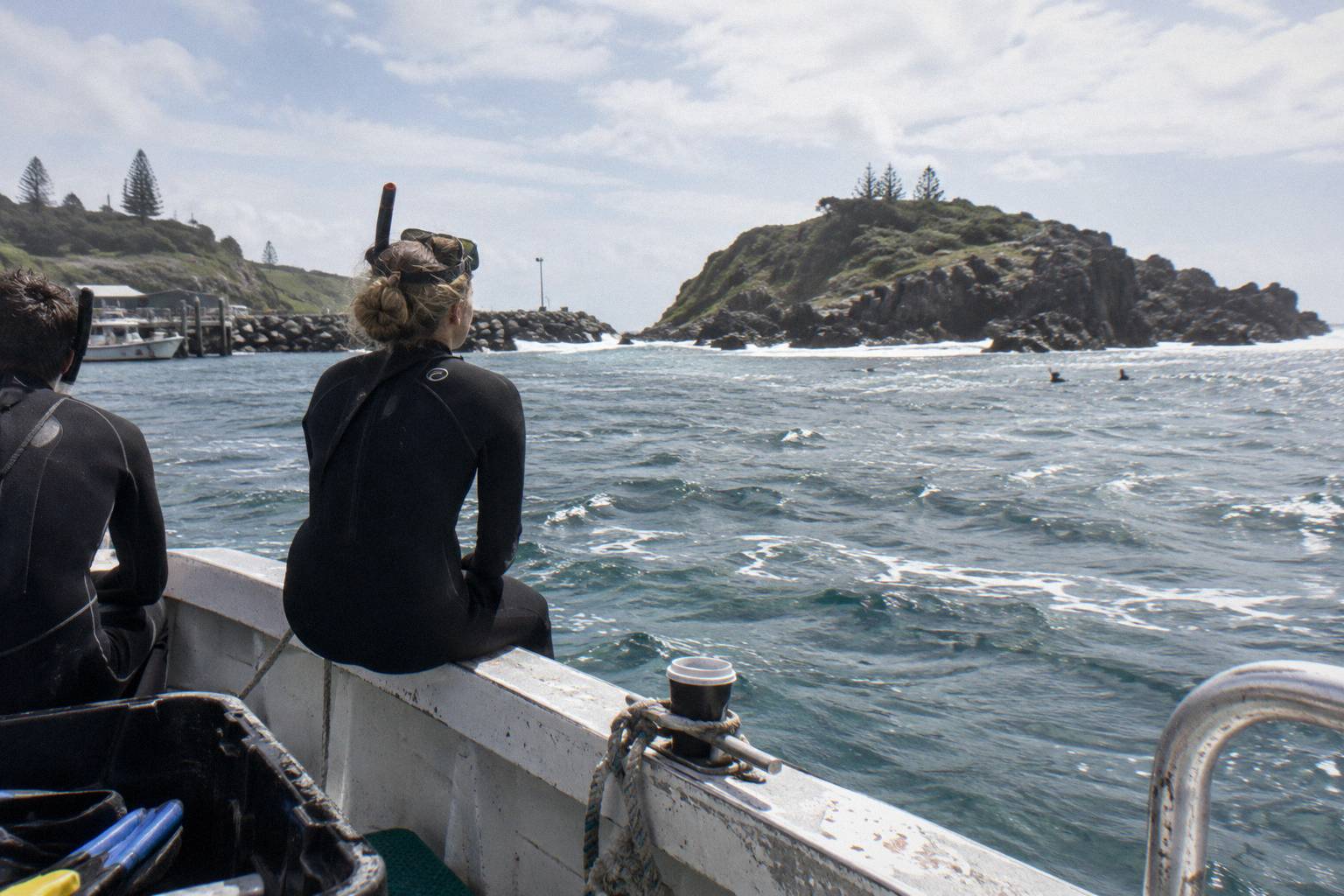
Out Of The Blue Adventures runs its 2.5-hour snorkel from Brunswick Heads Boat Harbour from AUD 94 per person, rated 4.4 across 167 reviews on the live listing, and a second booking page for the same operator shows 4.7 across 58 reviews. Those two numbers are reported side by side because both are real reads; the smaller pool is the smaller pool. For travellers staying north of Byron township, meeting at Brunswick Heads can beat driving into town on a busy morning, which is exactly the kind of decision worth settling before the forecast turns interesting.
The turtle-focused end of the roster is a different animal. The Byron Bay Dive Centre sea turtle snorkel runs about 2.5 hours with 60 minutes in the water, a minimum age of 10, and gear plus wetsuit included, with 5 mm long wetsuits advised on its own FAQ and ginger seasickness tablets carried on the boat. The FAQ is refreshingly specific on comfort measures, including the suggestion of a long wetsuit or a pool noodle for nervous snorkellers, and it is worth reading directly on the Byron Bay Dive Centre FAQ page before you commit.
For the sea-conditions question specifically, the matching question is blunt: how much does a cancelled morning hurt your plans? If you are in Byron for two days, book day one and keep day two loose. If you are on a flying visit, book the earliest departure you can and have a land-based backup plan, because a reschedule offer is only useful if you are still in town to take it.
What The Seasons Mean For Your Booking, In General Terms
Seasons shape what is in the water, not whether the boat runs: leopard sharks are a warmer-months sighting from December to April per one dive operator, grey nurse sharks belong to the cooler June-to-November stretch at dive depths, and turtles are listed all year with no guarantee. On whales the operators differ: one runs whale trips between May and November, another lists whale watching from June to October, and neither claim belongs on a snorkel trip.
It is November as this page is written, which is late spring in the southern hemisphere. That means the leopard shark season is a month away, the grey nurse window is drawing toward its close, and the strong-northerlies stretch the operator mentions, September through Christmas, is in full swing. None of that predicts a specific day. It frames what a cancelled trip might be rescheduled into: a December rebooking lands you in leopard season; a June rebooking lands you in grey nurse season at dive depths and cooler water.
“AMAZING! The fun began on the boat ride out there and the marine life we saw was spectacular. Our guides, Matt and Will, were brilliant and had an obvious passion for marine life. 10/10 would recommend.”
The all-year cast is the reassuring baseline. Turtles, green, hawksbill and loggerhead, are listed year-round, and the dive centre's own wording is that turtles can be spotted throughout the whole day but cannot be guaranteed. Rays, wobbegongs, octopuses, eels and the general fish life are likewise year-round categories. A snorkeller who arrives with "turtles would be lovely" as the bar has a much better trip than one who arrives with a species checklist, whatever the forecast said.
The whale months deserve their careful sentence. The two operators' seasons differ at both ends, May-November versus June-October, and both are reported here as attributed operator statements rather than merged into a single season. More to the point, whale watching is a separate product from a snorkel trip: no operator on this roster promises whales on a snorkel, and the honest framing is that dolphins and whales are sometimes seen from the boat in season, as incidental sightings, never as the reason you booked.
If the seasonal angle is what brought you here, the best month to snorkel Julian Rocks guide works through the same operator-wording seasons in more depth, within the same limits: no invented temperatures, no visibility tables.
When The Sea Turns: Cancellations, Refunds And What Each Channel Owes You
Each operator's cancellation arrangement is its own, and this page keeps them separate: Byron Bay Dive Centre gives a full refund or reschedule when it cancels for weather or sea, charges 100 percent inside its 48-hour window for guest cancellations, and defers to the agent's policy for agent bookings. The other trips' cancellation terms are on the booking page, and no trip on this roster should be described as having free cancellation.
The worst outcome for a traveller is not a cancelled trip, it is a cancelled trip plus a refund dispute. That dispute is almost always preventable at booking time. Know your window, know your channel, and know that an operator cancelling on you for the sea is not the same as you cancelling on the operator: where the dive centre's policy is stated, operator cancellation comes with a full refund or reschedule, while guest cancellation inside 48 hours carries the full fee.
| Cancellation scenario | What the stated policy is | What you should do |
|---|---|---|
| Operator cancels for weather or sea (Byron Bay Dive Centre) | Full refund or reschedule, guest notified by text or phone | Keep your phone reachable, pick the option that suits |
| You cancel outside 48 hours (Byron Bay Dive Centre) | Outside the fee window | Reschedule early if your plans shift |
| You cancel inside 48 hours (Byron Bay Dive Centre) | 100 percent fee | Change before the window closes, not after |
| You booked through an agent | Follows the agent's policy | Ask the agent, not the operator, about refunds |
| Any other trip on the roster | Cancellation terms are on the booking page | Read them before you pay |
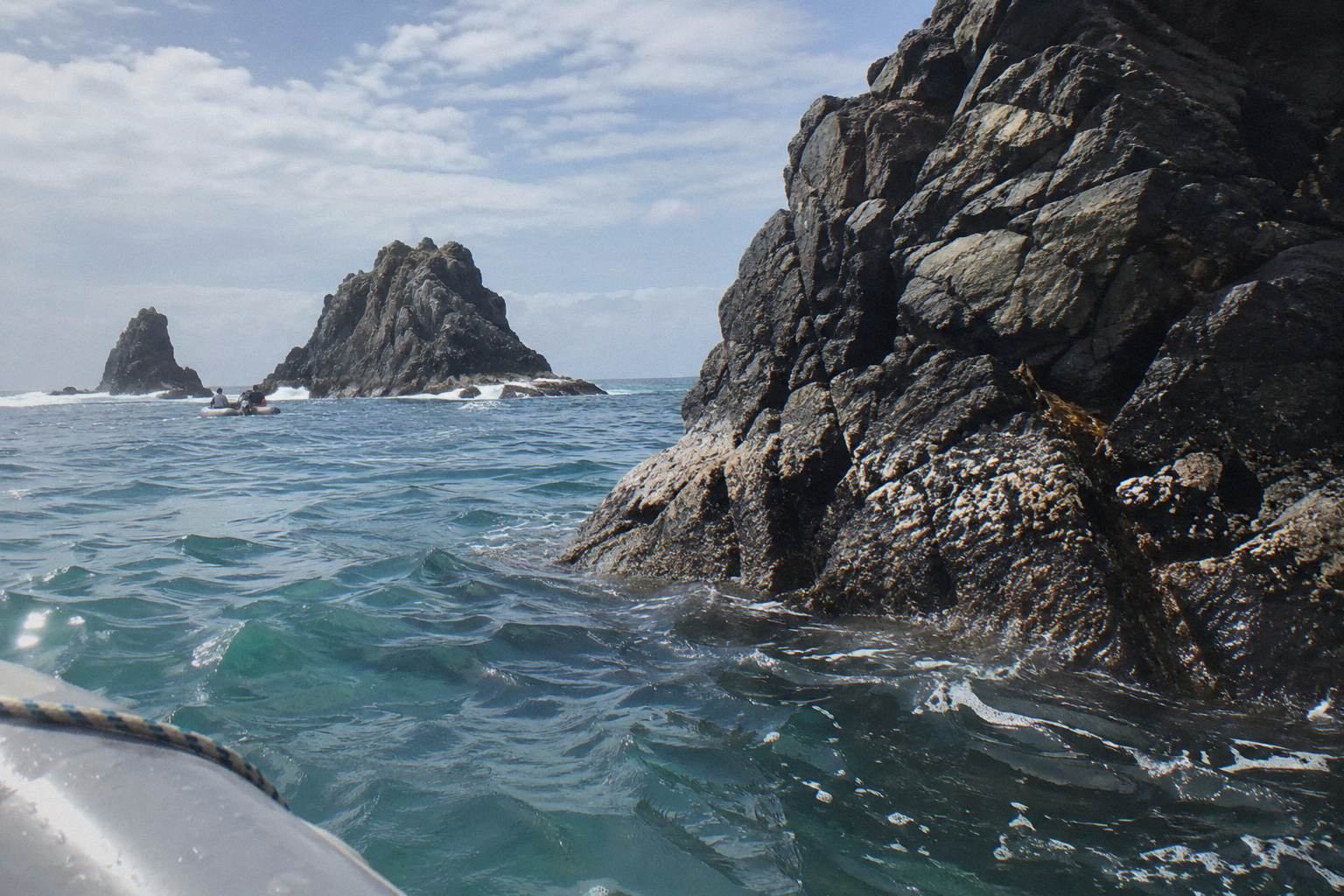
One scope note to close the conditions story honestly: the research behind this site holds no swell thresholds, no wind-speed cancellation figures and no visibility statistics for any operator here, and the Bureau of Meteorology marine forecast, while the right public source for wind, swell and warnings, is named here without figures because the sources on file do not quote any. The remaining answers, for anything beyond what this page reports, sit with the operator or on the booking page. Ask the desk the seven questions above and you will know more than any forecast app can tell you.
Common Questions About Byron Bay Sea Conditions
Where To Check Byron Bay Sea Conditions Before A Snorkel Trip
Check the Bureau of Meteorology marine forecast for wind, swell and warnings, then let the operator make the final call. Byron Bay Dive Centre states it contacts guests by text or phone if the sea is unsuitable, with a full refund or reschedule. No public page reports daily conditions at the rocks themselves.
Who Decides If A Julian Rocks Snorkel Trip Is Cancelled?
The operator decides, on the day, from the boat's own reading of the sea. Byron Bay Dive Centre's stated process is a text or phone call to guests, then a full refund or a reschedule. The other trips' cancellation terms are on the booking page.
Do I Lose My Money If The Operator Cancels For Weather?
Where the policy is on file, no: Byron Bay Dive Centre offers a full refund or reschedule when it cancels for weather or sea. That is operator cancellation, distinct from guest cancellation, which carries a 100 percent fee inside the 48-hour window. Agent bookings follow the agent's policy.
What Conditions Does The Operator Warn About?
One dive operator describes Julian Rocks as an open-ocean site where strong swells, currents, surges, cold water and winds are possible, and notes strong northerlies can blow between September and Christmas. Winter water can drop to 17 °C against a rough average near 20 °C, per the same operator's page.
Will A Good Forecast Guarantee The Trip Runs?
No, and no honest page will write the word guarantee. A clean-looking forecast improves the odds, but the skipper's on-the-day judgement is the only thing that launches the boat. Book with a spare morning in your plans where you can.
Can I See Whales On A Snorkel Trip?
Not as a promise. Whale watching is a separate product: one operator runs whale trips between May and November and another lists whale watching from June to October, and the two seasons are reported separately, never merged. Dolphins and whales may be seen from the boat in season, as sightings only.