Can Non-swimmers Snorkel At Julian Rocks?
A plain answer to whether non-swimmers can join a Julian Rocks snorkel trip, based only on what the operators themselves state about swimming ability, minimum ages and in-water support.
The honest answer is that all four Julian Rocks trips on file set a swimming standard. Blue Seafaris asks that you be comfortable swimming in open water, with pool noodles offered and no flotation jackets for non-swimmers. Out Of The Blue Adventures requires every participant to swim 200 metres unassisted before booking, and crew remove snorkellers who cannot, with no refund. The Nguthungulli tour run by Turtle School (Byron Bay Dive Centre) asks for at least 200 metres unassisted in open ocean, while the separate Byron Bay Dive Centre sea turtle trip asks for 25 metres unassisted and comfort in the water, with no life jackets to snorkel in. Ask what your operator expects before you book.
That distinction matters more here than at a typical beach snorkel site. Julian Rocks sits about 2.5 km offshore inside Cape Byron Marine Park, and it is an open-ocean site: operators themselves warn of strong swells, currents, surge, cold water and winds. Snorkel groups stay in shallow, sheltered areas of 3 to 12 metres, but the water between the boat and the rocks is still the open sea, not a lagoon. A reader who cannot swim at all, or who panics in deep water, is not comparing tours on this page, they are weighing a different activity entirely, and the operator statements below are the only fair basis for that call.
There is also a second, gentler audience for this question: the person who can swim but does not trust themselves in the ocean. Maybe they learned late, maybe a bad experience left them nervous, maybe they swim laps in a pool and have never been beyond the break. For that reader the news is much better. Lifejackets are carried on the Byron Bay Dive Centre boat, that operator explicitly suggests a long wetsuit or a pool noodle for nervous snorkellers, and wetsuits double as flotation by holding you at the surface. The trips are built for cautious swimmers. They are not built for non-swimmers, and the difference is the whole point of this article.
This article works only from what the operators and their booking pages actually state. It does not guess at standards, does not average them, and does not turn one operator's rule into a rule for all. Any policy is included only to show the range of expectations that exists across the site's trips. Nothing here is medical advice; if swimming ability raises a health question, the answer is a conversation with your doctor, not a website.
What Swimming Standard Does Each Operator Set?
Every Julian Rocks operator sets a swimming standard on its listing, so read the specific page before you book rather than assuming a shared rule. Turtle School (Byron Bay Dive Centre) asks that you can swim at least 200 m unassisted in open ocean, with a minimum age of 10 on its turtle tour. The separate Byron Bay Dive Centre sea turtle tour asks for 25 m unassisted and comfort in the water, and notes there are no life jackets to snorkel in. Blue Seafaris requires comfort swimming in open water; pool noodles are offered, but no flotation jackets for non-swimmers. Out Of The Blue Adventures expects a 200 m unassisted swim before booking, and crew remove snorkelers who cannot manage it, with no refund. Minimum ages vary: check the listing and ask the operator before booking.
“We had such a good time, Harry was wonderful and had great energy, we were so happy with the tour!”
Start with the strictest statement, because it shows the top of the range. Byron Bay Dive Centre, which runs the Turtle School trips and the sea turtle snorkel, asks different things of each. The Turtle School Nguthungulli tour requires participants to swim at least 200 m unassisted in open ocean. The separate sea turtle tour asks for less, 25 m unassisted plus comfort in the water, but states there are no life jackets to snorkel in. Its sea turtle tour page sets a minimum age of 10. Those are real standards, written down, and they govern anyone who books those trips. The same pages add the support side: a suggestion of a long wetsuit or a pool noodle for nervous snorkellers. So the operator asks for genuine swimming ability and then, recognising that nervous swimmers exist, equips for them.
| Trip on this site | Operator's stated swimming requirement | Minimum age stated | Meeting point |
|---|---|---|---|
| Turtle School, 3-Hour Snorkel (Turtle School) | Must be able to swim at least 200 m unassisted in open ocean | 10 | Turtle School, Byron Plaza, Jonson Street, Byron Bay; boat departs from The Pass |
| Turtle-Focused Snorkel From Byron Town (Byron Bay Dive Centre) | Same operator; its pages state the same swim-comfort requirement | 10 (operator page) | Not stated; check the booking page |
| Blue Seafaris, 2.5-Hour Snorkel | Not stated on the booking page; ask the operator | Not stated | 43 Harbour Way, Brunswick Heads Boat Harbour |
| Out Of The Blue, Brunswick Heads | Not stated on the booking page; ask the operator | Not stated | Brunswick Heads Boat Harbour, NSW 2483 |
Sundive Byron Bay and Wild Byron bracket the range further. Sundive Byron Bay treats Julian Rocks as an experienced-snorkeller site full stop: previous open-ocean snorkelling experience is mandatory, guests must be able to swim 200 metres unassisted in open ocean, children aged 7 to 18 must be able to swim and be accompanied by an adult guardian, and guests over 65 need a GP clearance letter. Wild Byron sets minimum age 5 and instead of swim rules leans on small groups: tours capped at 12 passengers with a naturalist guide. Three operators, three philosophies, one reef. This is why no honest article can give a single answer to the non-swimmer question: there is no single standard, there are four.
That leaves the two trips this site features. The Blue Seafaris Julian Rocks Snorkelling Tour runs about 2.5 hours from Brunswick Heads Boat Harbour, from AUD 94 per person, rated 4.5 across 448 reviews on its booking page, and is described as biologist-guided. The Out Of The Blue Julian Rocks Snorkelling Tour also runs about 2.5 hours from Brunswick Heads, from AUD 94 per person, rated 4.4 across 167 reviews on its main booking page. Neither booking page states a swimming requirement or a minimum age. The right move for a nervous swimmer eyeing either trip is a message to the operator before booking: describe your swimming honestly, ask what support exists on the day, and book only when the answer fits. If you are still choosing, these are the three most relevant listings:
One more eligibility point belongs here because it is easy to miss in a booking flow. Byron Bay Dive Centre's tour page states that guests with pregnancy, back or spinal injuries are prohibited from vessel-based activities. That is that operator's rule for its own trips; it is not generalised here to any other operator, and it is not a swimming standard, but a nervous swimmer screening a trip should know the full set of conditions a page imposes, not just the ones about swimming. Read the whole eligibility block on whichever trip you book, because the minimum that applies is the one on the page of the trip you actually pay for.
Is There A Briefing For Nervous Snorkellers?
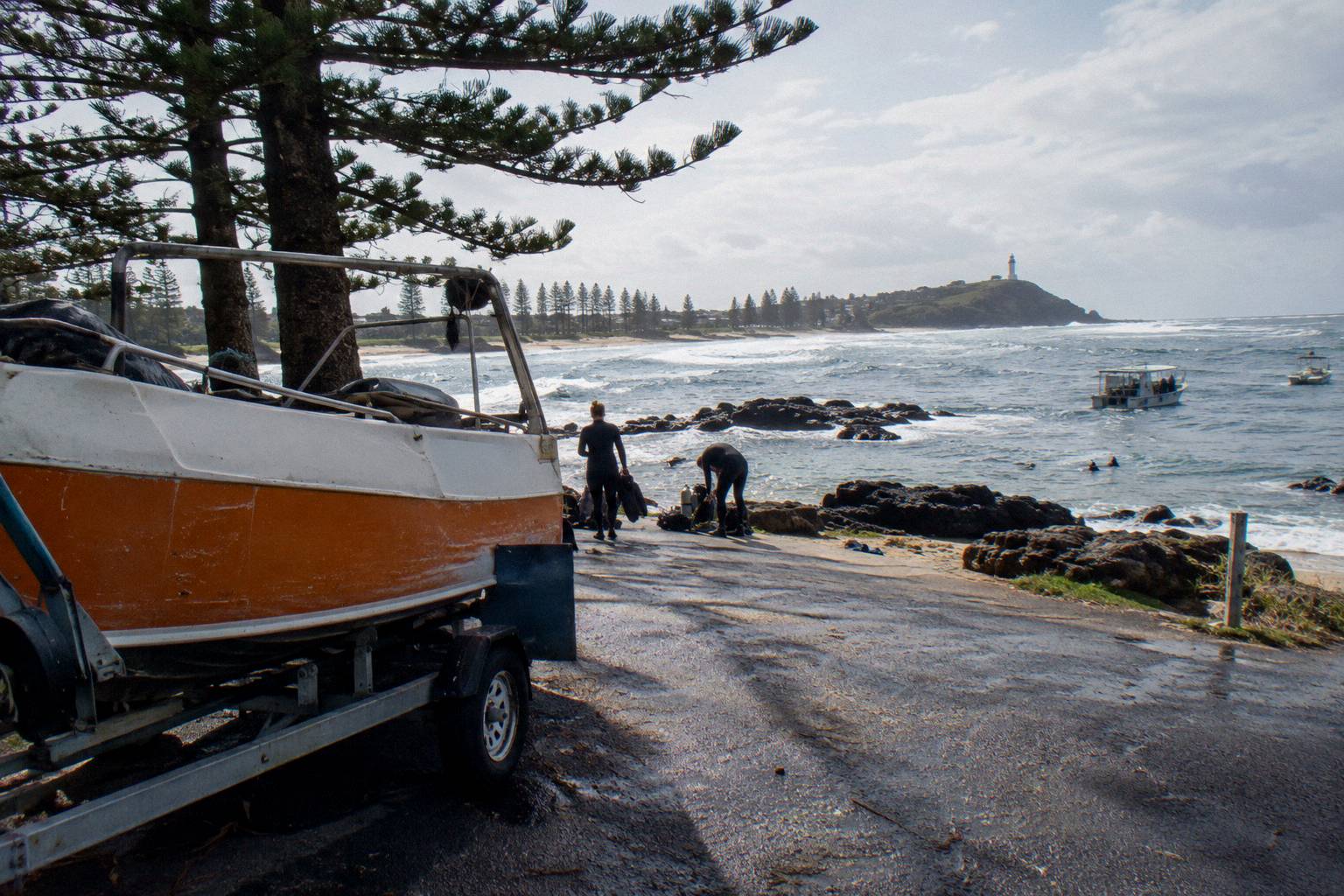
Yes, there is. On the trips that describe their day in detail, nervous snorkellers receive a proper briefing, and the support on offer is concrete rather than simply comforting words, so anxious swimmers are given practical information and a clear sense of what the day involves instead of vague reassurance. Byron Bay Dive Centre includes fins, mask, snorkel and wetsuit in the trip, plus transport from its central meeting point to the boat at The Pass. It keeps lifejackets on board, suggests a long wetsuit or a pool noodle for nervous snorkellers, advises 5 mm long wetsuits for the duration, and carries ginger seasickness tablets on the boat while recommending you bring your own. Gear is not an upsell on these trips, it is part of the setup, and nervous swimmers are planned for in the equipment list itself.
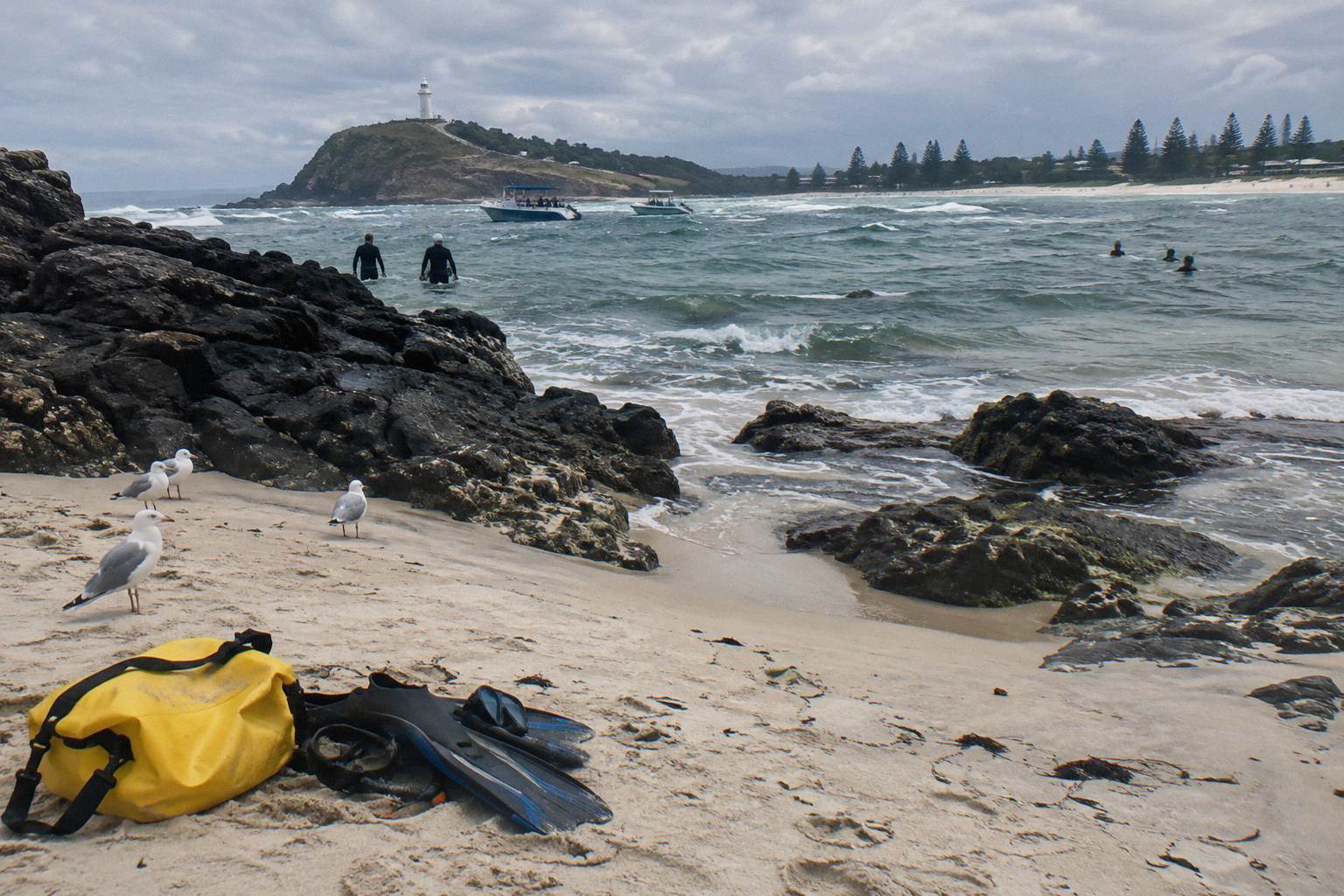
The detail in the operator's own FAQ is unusually candid about nervous swimmers, and it is worth reading closely. A long wetsuit, the operator notes, or even a simple pool noodle is suggested for snorkellers who feel unsure, because both add buoyancy and something to hold. Lifejackets are on the boat. Nobody is promised a private coach, but the equipment list and the suggestions together sketch a boat that expects anxious guests and has planned for them. For a swimmer who is competent but not confident, that planning is the difference between a hard day and a good one.
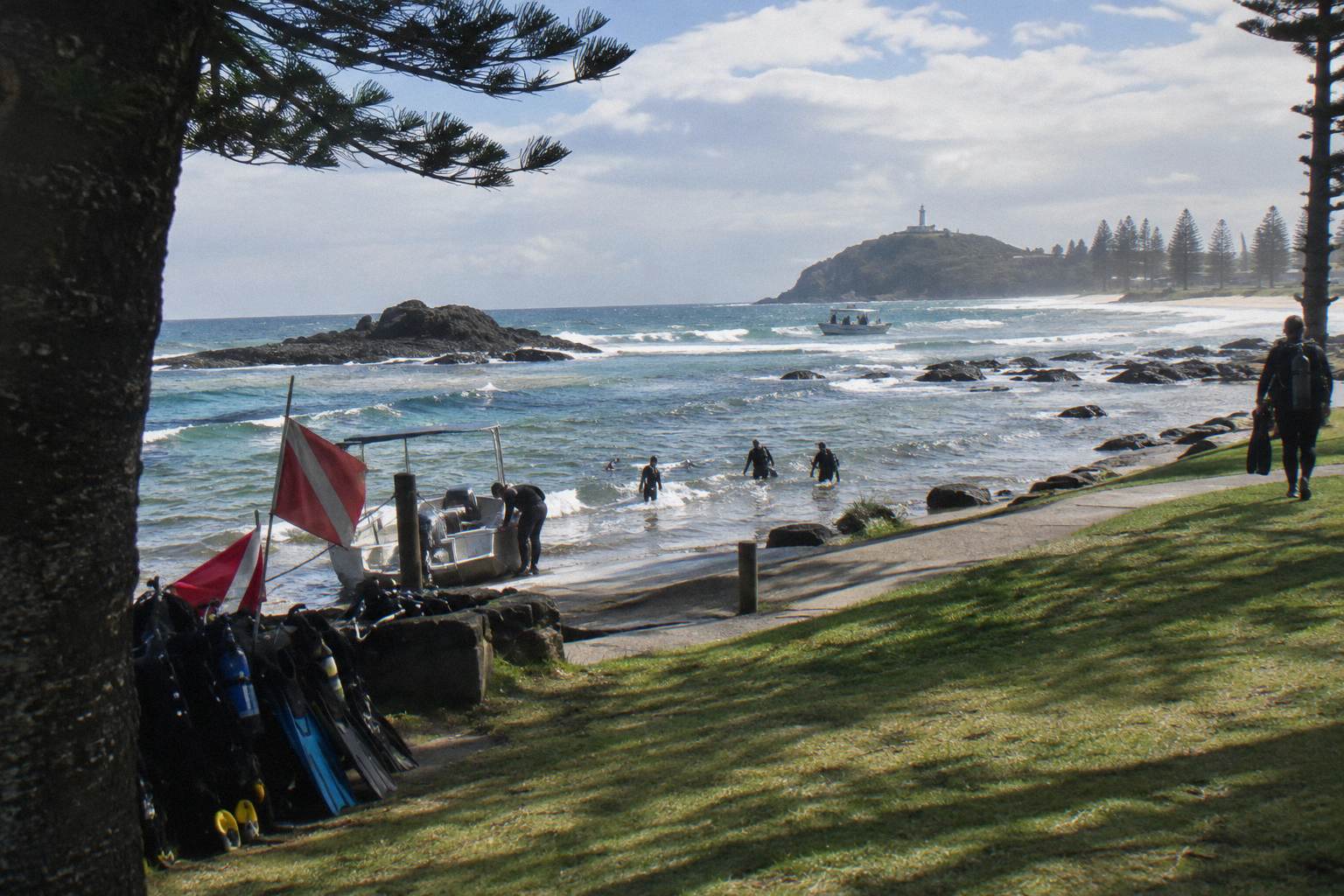
What the same FAQ does not offer is a pass on the swimming requirement itself. The suggestion of a noodle sits beside the rule that participants must be comfortable swimming in open water, not instead of it. The honest reading is: if you can swim but the ocean unnerves you, this trip has thought about you; if you cannot swim, this trip is not the place to learn. That is also why the FAQ's smaller practical points matter more than they look. No prescription masks are carried (contact lenses are fine), all participants must be comfortable in the ocean, and the operator recommends bringing your own seasickness tablets even though ginger ones are on board. Nervous swimmers are usually nervous about more than one thing at once, and seasickness on a 5 to 10 minute boat ride is a common second worry. The companion piece on that exact question, whether you will get seasick on the Julian Rocks boat, covers it in full.
A practical note on where the day actually starts, because it affects a nervous swimmer's plan. The two Brunswick Heads trips meet at the harbour, which means a sheltered marina check-in and a boat that leaves calm water. The Byron Bay Dive Centre trips meet in town at Byron Plaza on Jonson Street and include transport to The Pass, where the vessel departs. Neither detail changes the swimming standard, but knowing the shape of the morning, shop, transfer, boat, reef, removes a layer of the unknown, and for anxious swimmers the unknown is most of the weight. If the trip you are eyeing is the town-based three-hour one, its full shape is laid out in the article on what happens on a Julian Rocks snorkel day.
How Fit Do You Need To Be To Snorkel Julian Rocks?
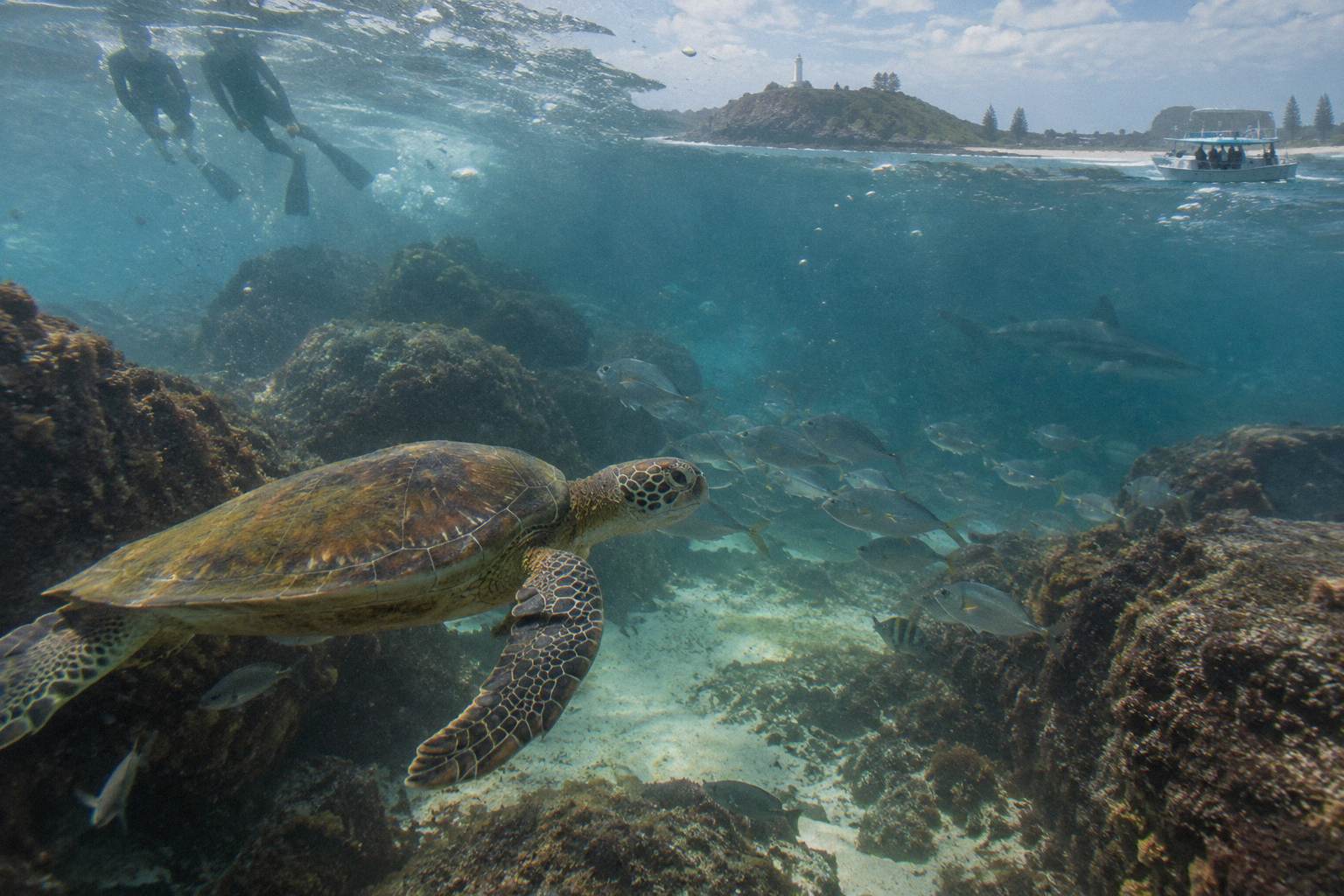
You don't need to pass any formal fitness test to snorkel Julian Rocks, based on the stated operator requirements. What each operator does set out is a swimming standard, and the bars sit at different heights. Out Of The Blue requires a 200 m unassisted swim before you book, and its crew can remove snorkelers who cannot manage it, with no refund. Blue Seafaris asks that you feel comfortable swimming in open water; pool noodles are offered, but there are no flotation jackets for non-swimmers. The Turtle School tour run by Byron Bay Dive Centre asks for a 200 m unassisted swim in open ocean. That same operator's separate sea turtle experience sets a lower bar of 25 m unassisted plus comfort in the water, with no life jackets to snorkel in. None of the listings states a fitness test or a weight limit: ask the operator if in doubt. Age gates of 5, 7 and 10 exist on separate pages, but none of them is a fitness measure.
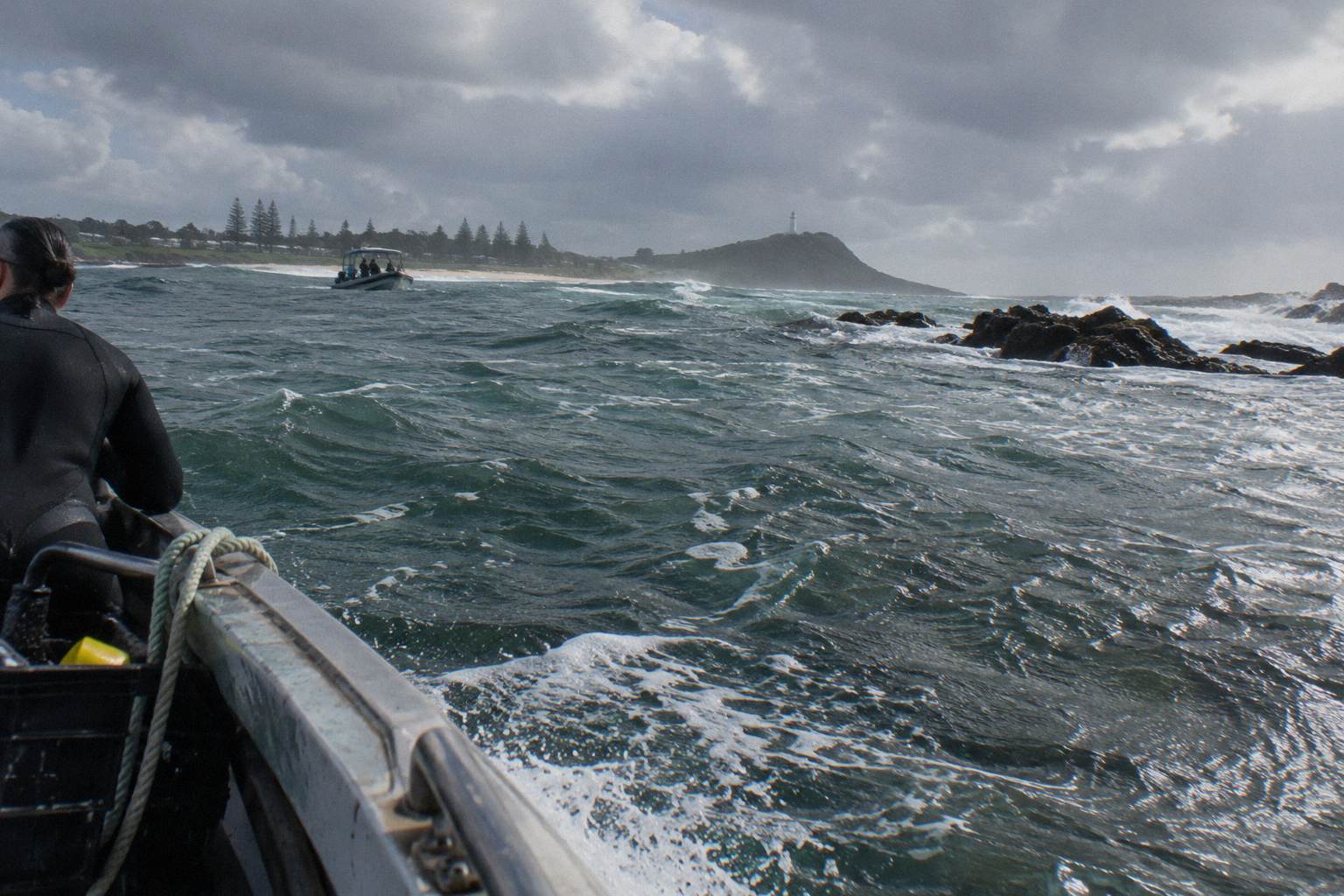
That is the whole formal picture, and it is thinner than most people expect. There is no licence, no certificate, no swim test at the dock on any listed trip. What exists instead are two kinds of gate replaced by honest wording: ability statements you must read before booking, and physical realities you must weigh yourself. The physical reality at Julian Rocks is that snorkel groups stay in shallow, sheltered water of 3 to 12 metres near the rocks, that the site is open ocean where swells, currents, surge and wind are all possible, and that a wetsuit both keeps you warm in water that one operator says can drop to around 17 degrees in winter and holds you at the surface. Fitness, in the gym sense, is barely mentioned by anyone. Swimming, in the can-you-keep-calm-and-move sense, is mentioned by everyone who mentions anything.
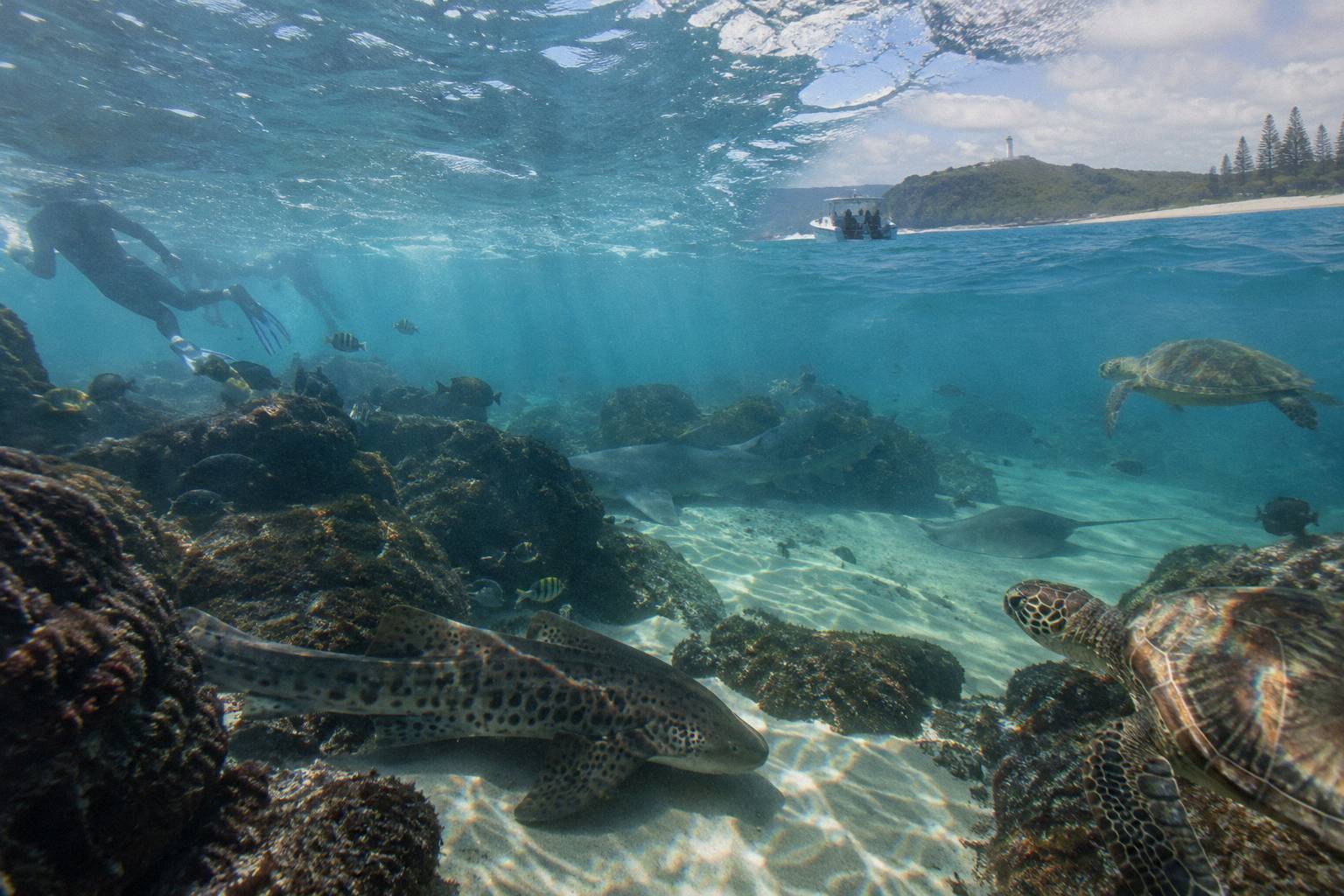
For a nervous swimmer, the useful framing is three questions rather than one. Can you swim, steadily, for an hour with breaks, holding something if needed? Byron Bay Dive Centre's sea turtle tour runs about 2.5 hours in total with about 60 minutes in the water, so the in-water effort is real but bounded. Can you stay calm if water goes over your mask or you bump into a fellow snorkeller? Comfort in the ocean is an explicit operator requirement, and no piece of gear substitutes for it. And can you manage a boat, a ladder or a back-roll entry, and a wetsuit that fits like a second skin? If any answer is genuinely no, the honest options are a learn-to-snorkel step first, or a different way to see the same wildlife, which this article comes to at the end.
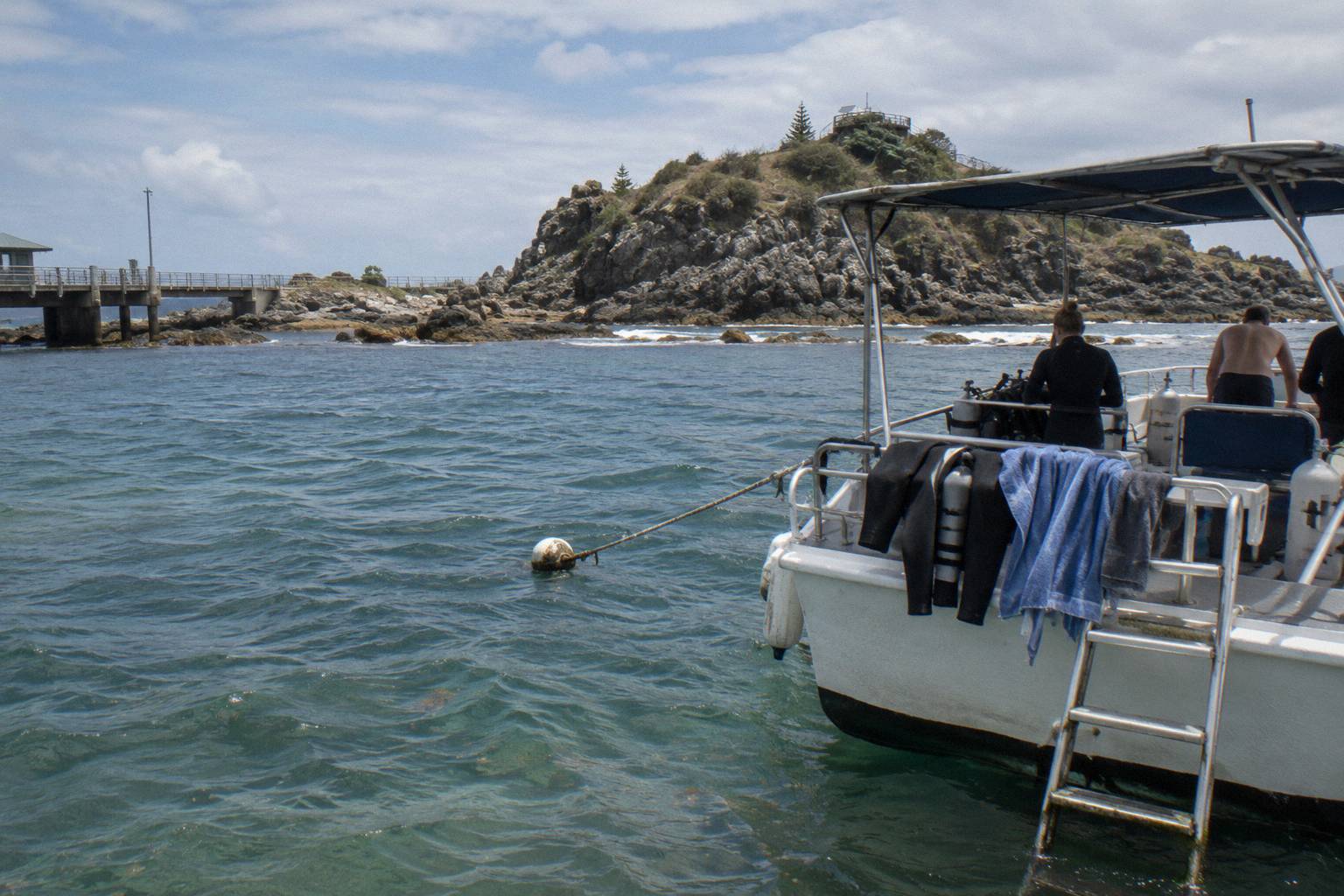
Age deserves its own sentence because the numbers are scattered across pages and easy to misread. Minimum ages of 5, 7 and 10 appear on different operators' pages for essentially the same reef; the Byron Bay Dive Centre turtle trip states 10. There is no single Julian Rocks minimum age, there is only the minimum on the page of the trip being booked, and a family with a keen eight-year-old can find a trip that fits and a trip that does not. The family angle, including which trips suit which ages, is covered separately in the guide to taking kids on the Julian Rocks snorkel trip.
A final fitness footnote: this article deliberately avoids safety statistics, incident counts and reassurances like "zero problems ever", because none appear in the sources and invented comfort is worse than none. What the sources do support is that these are regulated trips inside a marine park with stated rules, that the operators publish their expectations in advance, and that the sea itself makes the final call. On which point, weather policy matters to every nervous swimmer's booking, and it is next.
What If The Julian Rocks Snorkel Trip Is Cancelled For Weather?
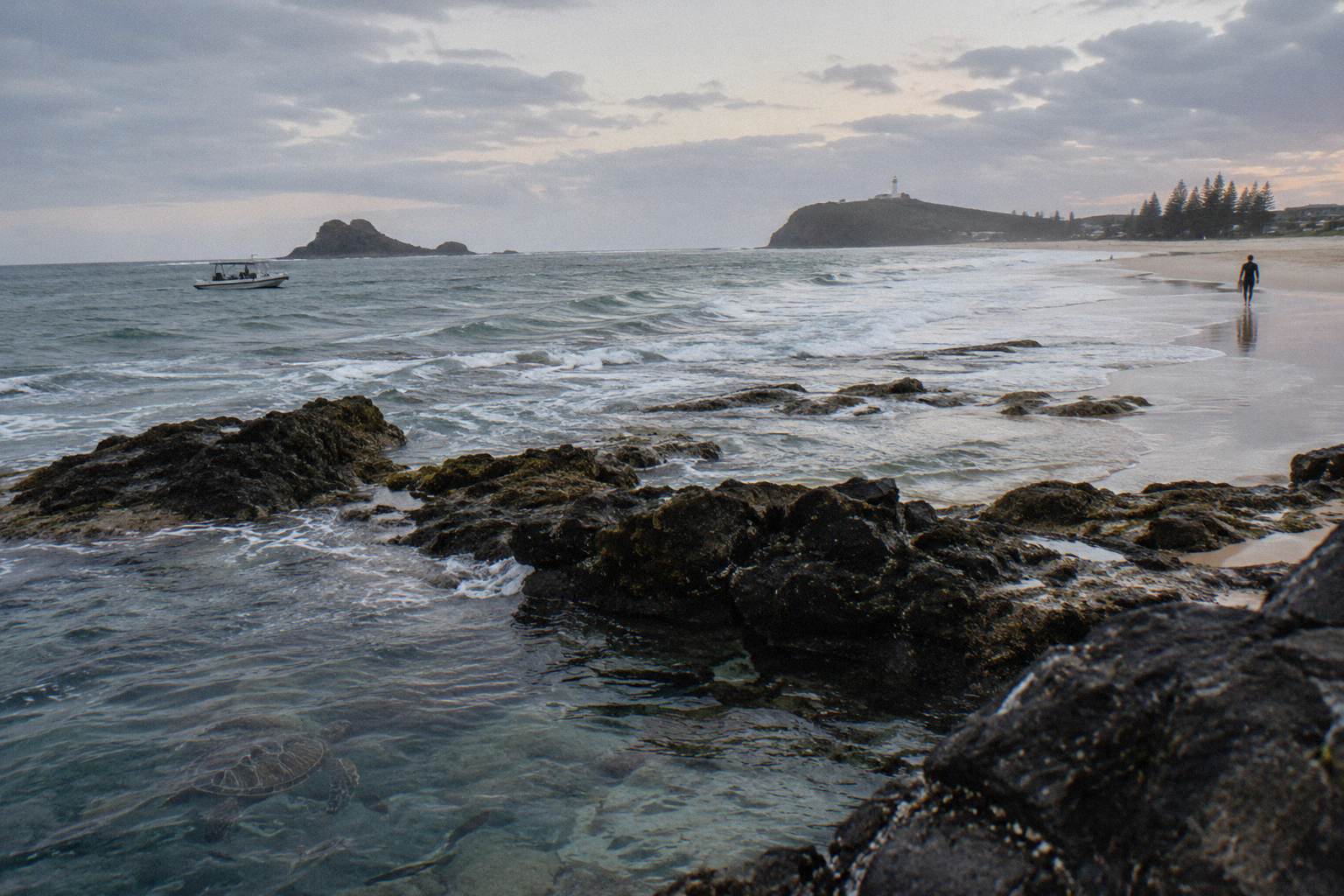
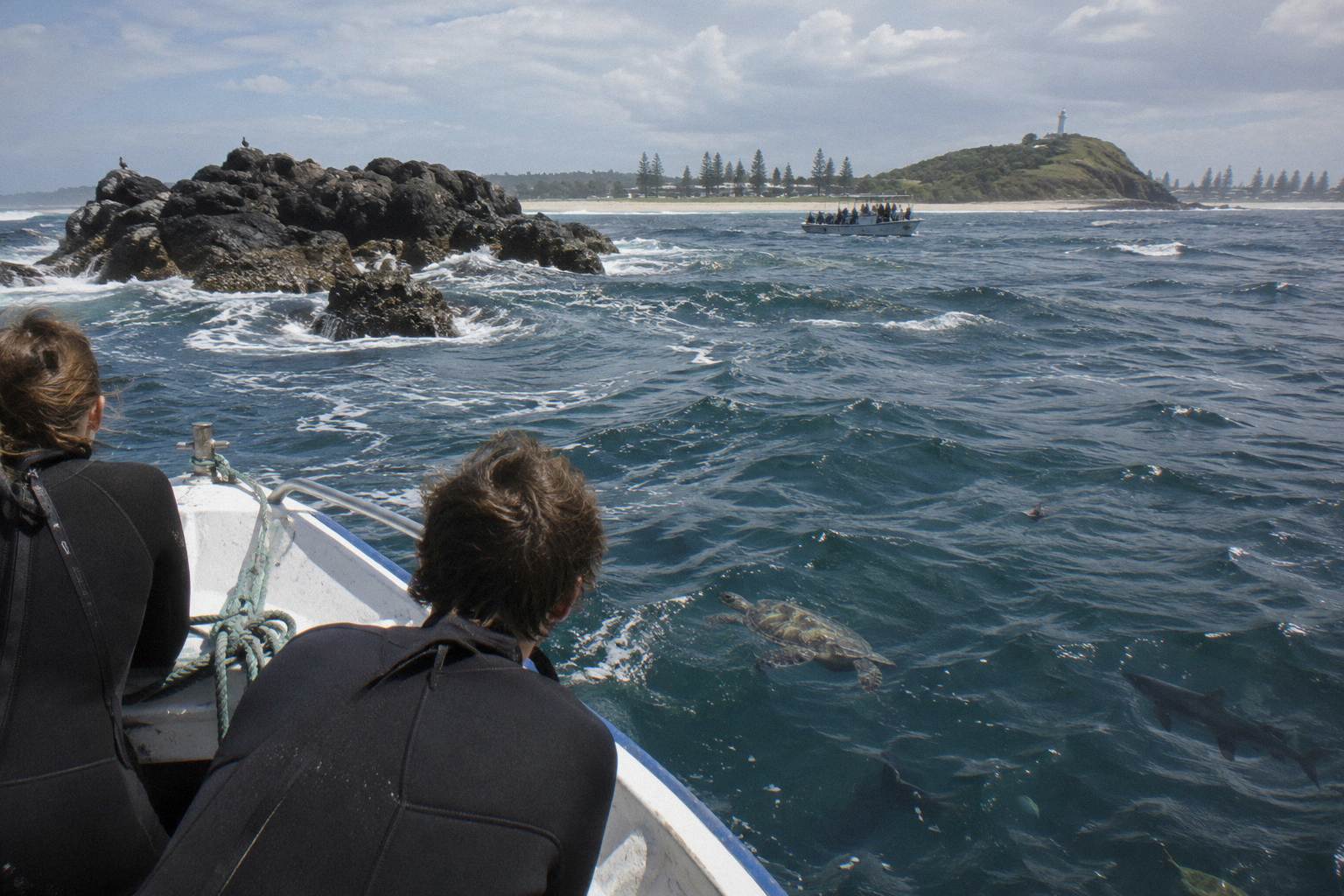
If an unsuitable sea cancels your Julian Rocks snorkel trip, Byron Bay Dive Centre contacts you by text or phone to offer a full refund or a reschedule, so weather will not cost you the money you paid. Be aware, though, that the operator's own cancellation window is 48 hours, with a 100% fee applying inside it. Courses carry a 7-day window instead. Bookings made through an agent follow that agent's refund policy rather than the operator's. No other listed operator's weather or cancellation policy is on file in the sources, so nothing is claimed for the Brunswick Heads trips here; check the terms on the listing before you pay.
For an anxious swimmer this policy is quietly one of the best facts on the page. The fear that usually sits underneath "am I a good enough swimmer" is "what if the day turns out to be bigger than me and I am stuck on the boat having paid". The answer, at least for the operator whose policy is documented, is that the operator makes that call before you ever board: if weather or sea conditions are unsuitable, they contact guests and offer a full refund or a new date. The rough-day scenario is not something a nervous snorkeller has to brave out or absorb financially. It is cancelled, by people who read this stretch of ocean every day.
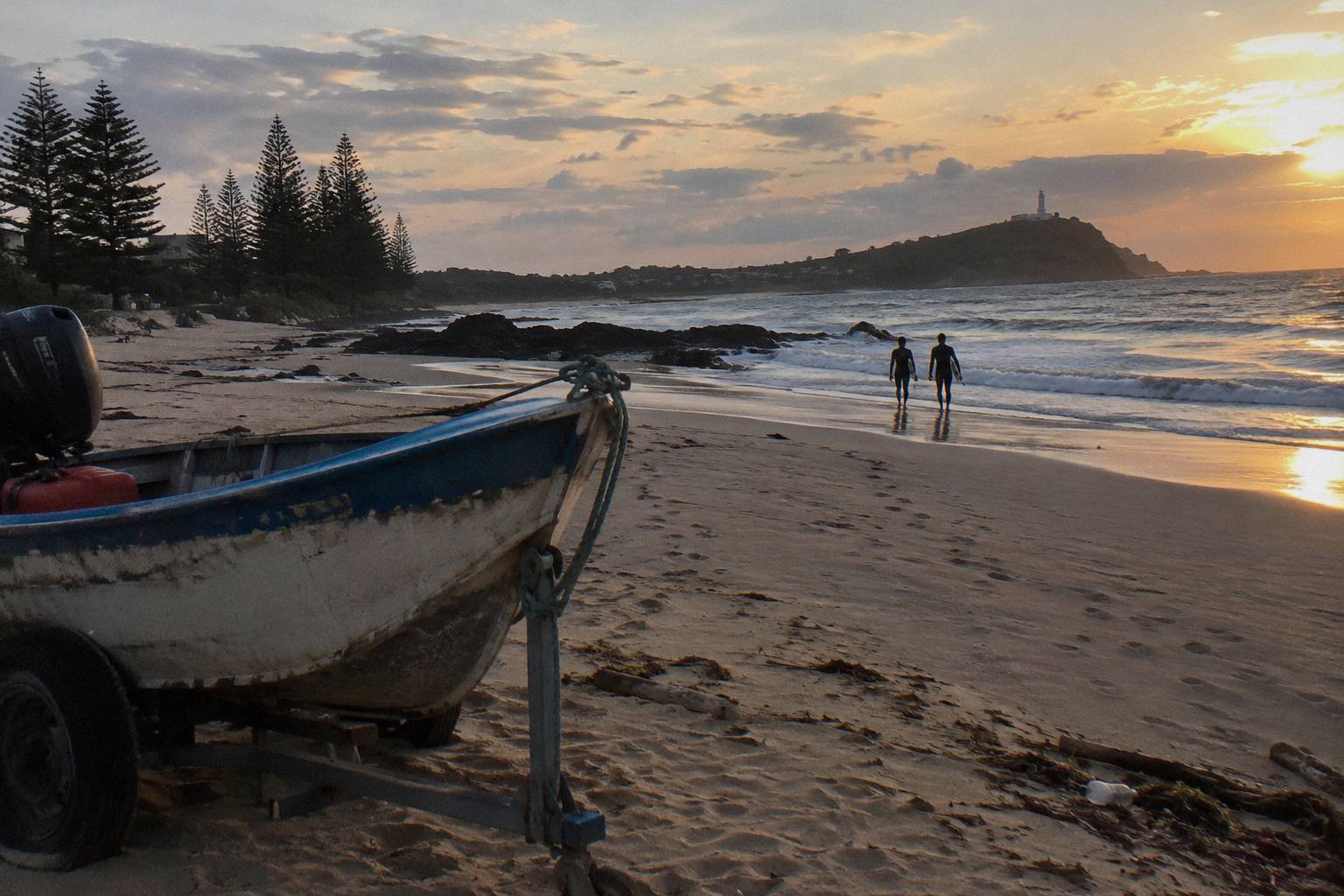
The cancellation policy runs the other way, and it deserves the same attention. The window is 48 hours, and inside it the fee is 100%. Courses carry a 7-day window instead. If your booking goes through an agent rather than the operator directly, refunds follow the agent's policy, not the operator's, which is a detail worth confirming at checkout rather than discovering after. A nervous swimmer who books early to lock in a date, then rethinks, needs to know that rethinking has a deadline. The broader question of timing, including how far ahead these trips tend to fill, is handled in how far in advance to book a Julian Rocks snorkel trip.
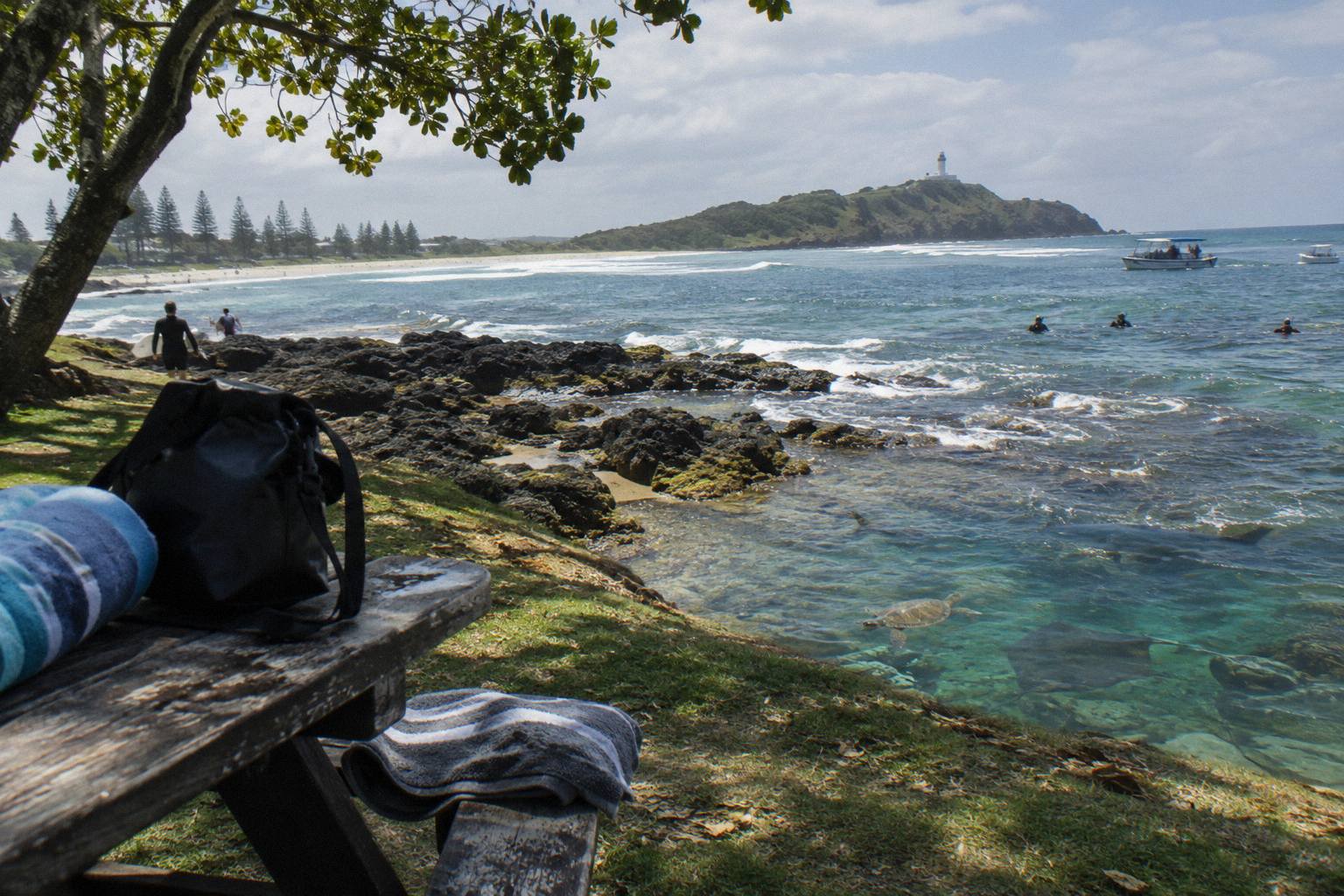
It also helps to know why cancellations happen at this site specifically. Julian Rocks is an open-ocean reef about 2.5 km off Cape Byron, exposed to swell, surge and wind, with an operator noting strong northerlies between September and Christmas and winter water that can sit around 17 degrees. The marine park even governs how boats behave there: anchoring is not permitted within 700 metres of the rocks, vessels limit speed to 4 knots within 200 metres, and seven marine park moorings carry a 2-hour maximum stay. None of that is a barrier to snorkelling, it is the management of a wild site, and it is exactly why operators keep conservative weather thresholds. If you want to watch the same forecasts the operators watch before committing to a date, the article on where to check Byron Bay sea conditions before a snorkel trip lists them.
Which Trip Suits A Nervous-but-competent Swimmer?
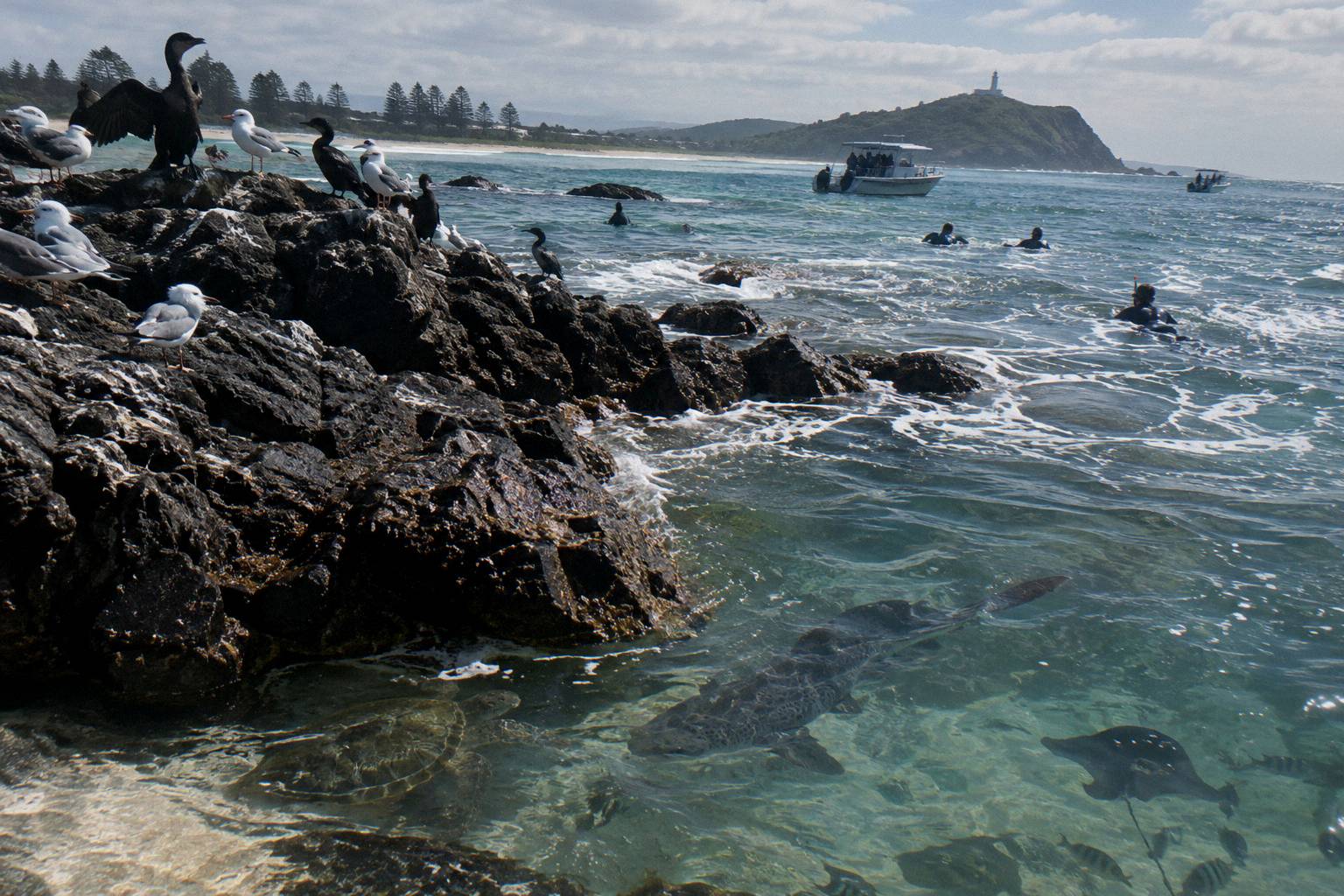
For a swimmer who is capable but anxious, the trips differ in structure more than in requirement: the Brunswick Heads trips run about 2.5 hours from a sheltered harbour, while the Byron Bay Dive Centre turtle trips run about 2.5 hours with roughly 60 minutes in the water and a town meeting point with transport to the boat. Price and rating only exist on two of them: from AUD 94 and 4.5 across 448 reviews for Blue Seafaris, from AUD 94 and 4.4 across 167 reviews for Out Of The Blue; for Turtle School, rating and price are on the booking page.
Choosing between them as a nervous swimmer is really choosing a shape of day. The Brunswick Heads departures suit someone who wants the shortest possible exposure: harbour check-in, 5 to 10 minutes of boat, reef, home, all inside about 2.5 hours. The town-based turtle trips suit someone who prefers a longer, more structured day, with a meeting point in Byron Bay, transport to The Pass included, gear and wetsuit included, and a defined hour in the water with a crew that explicitly plans for nervous snorkellers, down to the noodle suggestion and the ginger tablets. Neither is the brave option or the soft option. They are different ratios of boat, briefing and water.
| If you are... | The structure that fits | Trip to check first |
|---|---|---|
| A confident pool swimmer, first time in the ocean | Short exposure, harbour departure, about 2.5 hours | Blue Seafaris, 2.5-Hour Snorkel or Out Of The Blue, Brunswick Heads |
| A nervous but capable swimmer who wants support spelled out | Longer day, gear and transfer included, stated support for nervous snorkellers | Turtle-Focused Snorkel From Byron Town or Turtle School, 3-Hour Snorkel |
| Keen on turtles specifically | About 60 minutes in the water on a turtle-focused trip | Turtle-Focused Snorkel From Byron Town |
| Unsure whether the ocean is for you at all | A surface-level alternative with the same wildlife | Guided Dolphin Kayak or Byron Bay Sea Kayak Tour |
The featured trip on this site, the Julian Rocks Snorkelling roster's Blue Seafaris biologist-guided snorkel, is the natural first check for the short-exposure reader: about 2.5 hours, from AUD 94, 4.5 across 448 reviews on its booking page, meeting at Brunswick Heads. The listing does state a swim standard: comfortable in open water, with pool noodles offered and no flotation jackets for non-swimmers, so nervous swimmers should ask the operator before booking. You can also check availability alongside the site's full guide to choosing a Julian Rocks snorkel operator.
And for the reader who has read this far and concluded that snorkelling is not the right first step: that conclusion is legitimate, and the coast around Cape Byron offers the same wildlife from a seated position. Dolphin kayak trips run about 2.5 hours: Cape Byron Kayaks asks everyone 18 and over to swim 25 metres unaided, and both operators launch from Byron's beaches rather than travelling offshore. The trade-offs between the two experiences, including what each one does to a nervous swimmer's pulse, are set out honestly in Byron Bay dolphin kayak versus a snorkel trip.
Common Questions About Snorkelling Julian Rocks As A Non-Swimmer
Can Non-Swimmers Snorkel At Julian Rocks?
Not as non-swimmers, on the trips that state a standard: Out Of The Blue Adventures requires a 200 metre unassisted swim before you book, and crew remove snorkelers who cannot manage it, with no refund. The Turtle School (Byron Bay Dive Centre) tour also asks for 200 m unassisted in open ocean. Blue Seafaris requires you to be comfortable swimming in open water, offering pool noodles but no flotation jackets for non-swimmers, while Byron Bay Dive Centre's sea turtle tour asks for just 25 m unassisted and comfort in the water, with no life jackets to snorkel in.
Is There A Minimum Age For The Julian Rocks Snorkel Trips?
Minimum ages of 5, 7 and 10 appear on different operators' pages, so no single minimum exists for the reef. The Byron Bay Dive Centre sea turtle trip states a minimum age of 10. The minimum that applies to you is the one on the page of the trip you book.
Do The Boats Carry Lifejackets?
Byron Bay Dive Centre states that lifejackets are on board and suggests a long wetsuit or a pool noodle for nervous snorkellers. Other operators' pages in the sources do not state their onboard flotation, so ask the operator when booking.
Can I Wear Glasses Or Contact Lenses?
Byron Bay Dive Centre carries no prescription masks, but states that contact lenses are fine. Its standard gear, fins, mask, snorkel and wetsuit, is included in the trip, with 5 mm long wetsuits advised for the duration.
What Happens If The Sea Is Too Rough On My Day?
On Byron Bay Dive Centre trips, if weather or sea is unsuitable the operator contacts guests by text or phone with a full refund or a reschedule. Its cancellation window is 48 hours with a 100% fee inside it, and bookings made through an agent follow the agent's policy.
Is There Another Way To See The Same Wildlife Without Snorkelling?
Yes. Dolphin kayak tours run about 2.5 hours from Byron Bay's beaches, and a whale watching trip with a marine biologist runs about 2.5 hours in season. Neither requires swimming in the way a snorkel trip does, though their own booking pages should be checked for their stated requirements.