Is Byron Bay Water Too Cold For Snorkelling In Winter?
Winter water at Julian Rocks can drop to 17 °C, but wetsuits are standard on every trip. Here is what the operators actually say about cold, gear and winter marine life.
No operator describes Byron Bay's winter water as too cold to snorkel, and every trip on the roster includes a wetsuit as standard. One dive operator's own site says winter water at Julian Rocks can drop to 17 degrees, averaging around 20, and advises 5 mm long wetsuits for the duration of a trip. The honest answer is that winter snorkelling here is a wetsuit activity, not a bare-skin one, and the trips are built around that.
Julian Rocks sits about 2.5 km off Byron Bay, inside Cape Byron Marine Park, where the warm East Australian Current meets cooler southern water. That convergence is the reason the rocks carry such a dense mix of species, and it is also the reason the temperature question has no single clean answer: the water you swim in depends on which current is pushing past the rocks on the day. It is late spring in the southern hemisphere as this is written, which means the winter just past is the one prospective visitors are asking about, and the operator pages read for this article are the current source of every figure in it.
The number that matters comes from a dive operator's site, and it should be quoted with that attribution rather than treated as an official reading: winter water "can drop to 17 °C (avg. ~20 °C)". There is no government monthly sea-temperature table for Byron Bay that this research could find, and no operator publishes a month-by-month chart either. So anyone promising you an exact average for July or August is estimating. What the operators do publish is gear guidance, and it is consistent: wetsuits are included in the trip price, long styles are advised, and nervous snorkellers are offered flotation rather than being turned away.
If the question behind the question is whether a winter trip is worth booking, the marine-life case is genuinely strong. Cooler water is when endangered grey nurse sharks gather in the sand trenches at the rocks, though at dive depths of 8 to 24 m rather than snorkel depths, and sightings from snorkel trips are rare. Turtles are listed all year. The trade-off in winter is comfort, not activity: trips run, the water is cooler, and the right reaction is a thicker wetsuit rather than a cancelled plan. For a fuller walk-through of the year, the best month to snorkel Julian Rocks guide covers the seasonal shape of the calendar without inventing monthly temperatures.
How Cold Does The Water Actually Get?
The only printed figure is one dive operator's: winter water at Julian Rocks can drop to 17 degrees Celsius, with an average around 20 degrees. No official monthly sea-temperature record for Byron Bay appears in the verified sources, and no operator on the roster publishes a month-by-month chart, so any precise monthly average you see elsewhere is an estimate rather than a measured figure.
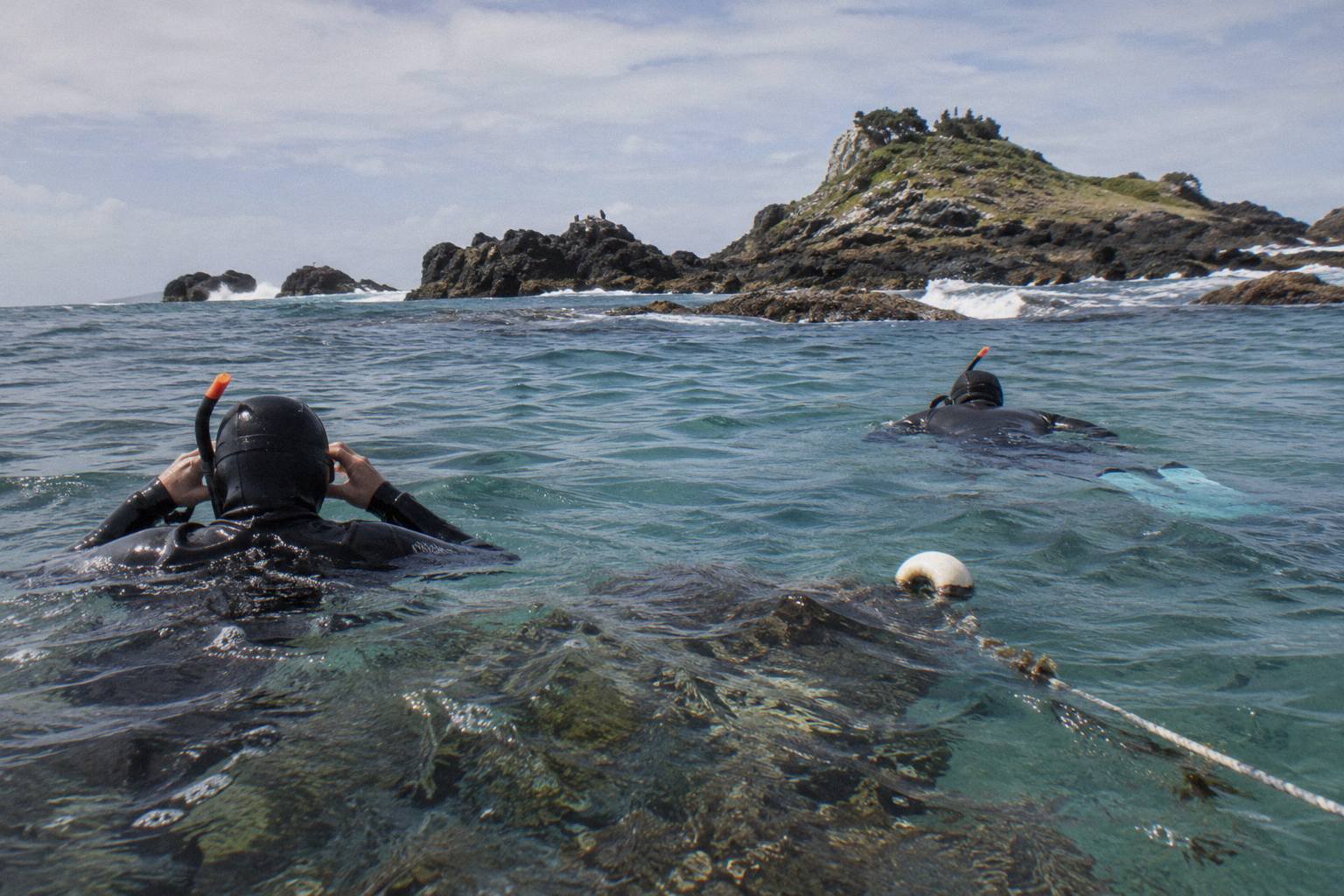
That 17-to-20-degree range deserves context, because numbers alone read colder than the experience usually feels. Snorkellers at Julian Rocks spend their time in shallow, sheltered areas of 3 to 12 m depth, per operator descriptions of where the trips actually swim, and a supplied 5 mm long wetsuit is the standard kit for that water. Byron Bay Dive Centre, which runs the Turtle School trips from Byron Plaza, advises 5 mm long wetsuits for the duration and includes fins, mask, snorkel and wetsuit in the trip. Its FAQ also notes that the boat carries ginger seasickness tablets and recommends bringing your own, which speaks to the other winter consideration, the sea state, more than the temperature.
It helps to separate the two things people bundle into "too cold". The first is the water itself, which the operator figure bounds at roughly 17 degrees in winter, comparable to a cool Sydney summer beach day. The second is exposure: how long you are in the water, and what you are wearing. Byron Bay Dive Centre's sea turtle snorkel runs about 2.5 hours in total with roughly 60 minutes actually in the water, and that one-hour structure is common across the roster. Sixty minutes in a 5 mm wetsuit in 18-degree water is a very different proposition from ninety unattended minutes in a spring suit, and the operators' gear policies implicitly acknowledge that.
The site is open ocean, and the same operator page that gives the temperature figure is candid about conditions generally: strong swells, currents, surges, cold water and winds are all possible, and strong northerlies can blow between September and Christmas. That is a spring-and-early-summer pattern rather than a deep-winter one, which cuts against the assumption that winter is automatically the roughest season. If you want the sea-state side of the planning question in detail, where to check Byron Bay sea conditions before a snorkel trip covers the forecasts worth reading before you book. For the rules that govern the water you would swim in, the Cape Byron Marine Park snorkel rules guide sets out the zoning and protections.
| Question | What the verified sources say | Source type |
|---|---|---|
| Winter water temperature | "Can drop to 17 °C (avg. ~20 °C)" | One dive operator's dive-site page |
| Official monthly averages | No such table found for Byron Bay | Absence in verified research |
| Where snorkel trips swim | Shallow sheltered areas, 3 to 12 m | Operator wording |
| Standard winter kit | 5 mm long wetsuit advised, wetsuit included | Byron Bay Dive Centre FAQ |
| Time in the water | About 60 minutes on the 3-hour turtle trips | Operator tour page |
Do You Need A Wetsuit In Winter?
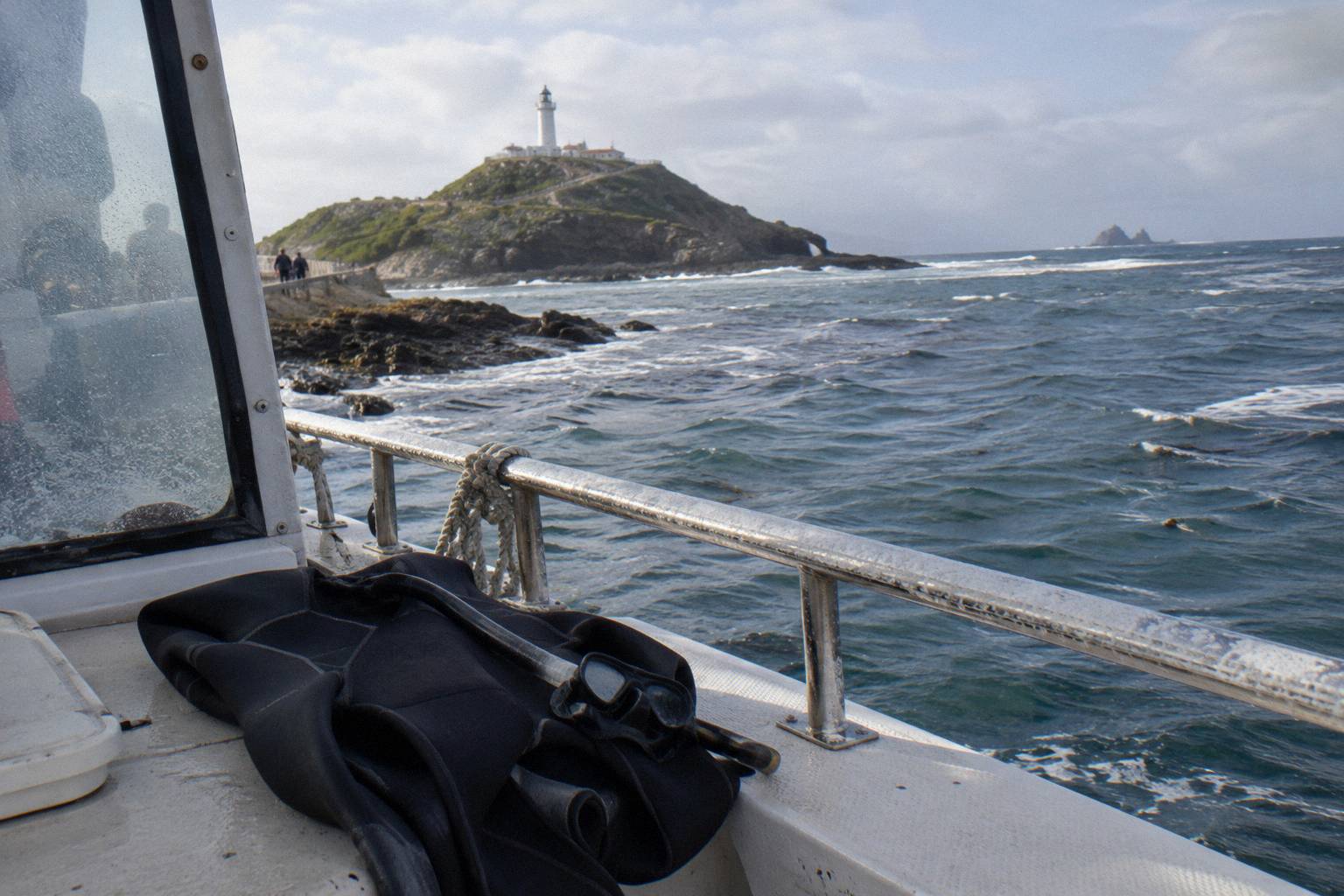
Yes, and in practice you need one in every season: every operator on the roster includes a wetsuit in the trip rather than offering it as a winter add-on. Byron Bay Dive Centre goes further and advises 5 mm long wetsuits for the duration of the swim, supplies them, and suggests a long wetsuit or a pool noodle for nervous snorkellers, with lifejackets carried on board.
The gear inclusions matter because they remove the main way people get cold on these trips: arriving with the wrong suit. The Blue Seafaris Julian Rocks snorkelling tour, a biologist-guided trip of about 2.5 hours from Brunswick Heads Boat Harbour, is booked from AUD 94 per person and rated 4.5 across 448 reviews on its booking page. Its listing carries the gear detail; the price and rating are the booking page's own figures. Out Of The Blue runs a similar about 2.5-hour trip from the same harbour, from AUD 94 per person, rated 4.4 across 167 reviews on its main booking page, and a second booking page for the same trip shows 4.7 across 58 reviews. For the Turtle School trips, rating and price are on the booking page.
There is a practical reading of all this for a winter visitor. You do not need to buy or pack a wetsuit to answer the cold question, because the supply is already built into the product. What you control is the fit and your own comfort in open water, and every operator on the roster sets a swimming standard. Blue Seafaris asks that you be comfortable swimming in open water, with pool noodles on hand and no flotation jackets for non-swimmers. Out Of The Blue Adventures requires the ability to swim 200 m unassisted before booking, and crew will remove snorkelers who cannot, with no refund. The Turtle School (Byron Bay Dive Centre) tour asks for 200 m unassisted in open ocean. Minimum ages and group sizes vary, so check the listing or ask the operator before you book. The wider question of age and ability is covered properly in the kids on the Julian Rocks snorkel trip guide.
A few smaller cold-adjacent details from the operator pages are worth knowing. Byron Bay Dive Centre does not carry prescription masks, so contact lenses are the workaround, though the supplied masks are standard. Cameras are welcome only if waterproof and flash-free, and touching or collecting marine life is prohibited, which is marine park law rather than operator preference: sanctuary zones ban collecting outright. And if you run cold faster than your group, the long-wetsuit-or-pool-noodle suggestion for nervous snorkellers is the operator's own wording, a reminder that flotation is the accepted answer to anxiety in cooler water, not sitting out. The dedicated do I need a wetsuit at Julian Rocks post carries the full gear discussion across all seasons.
What Does Winter Water Bring That Summer Doesn't?
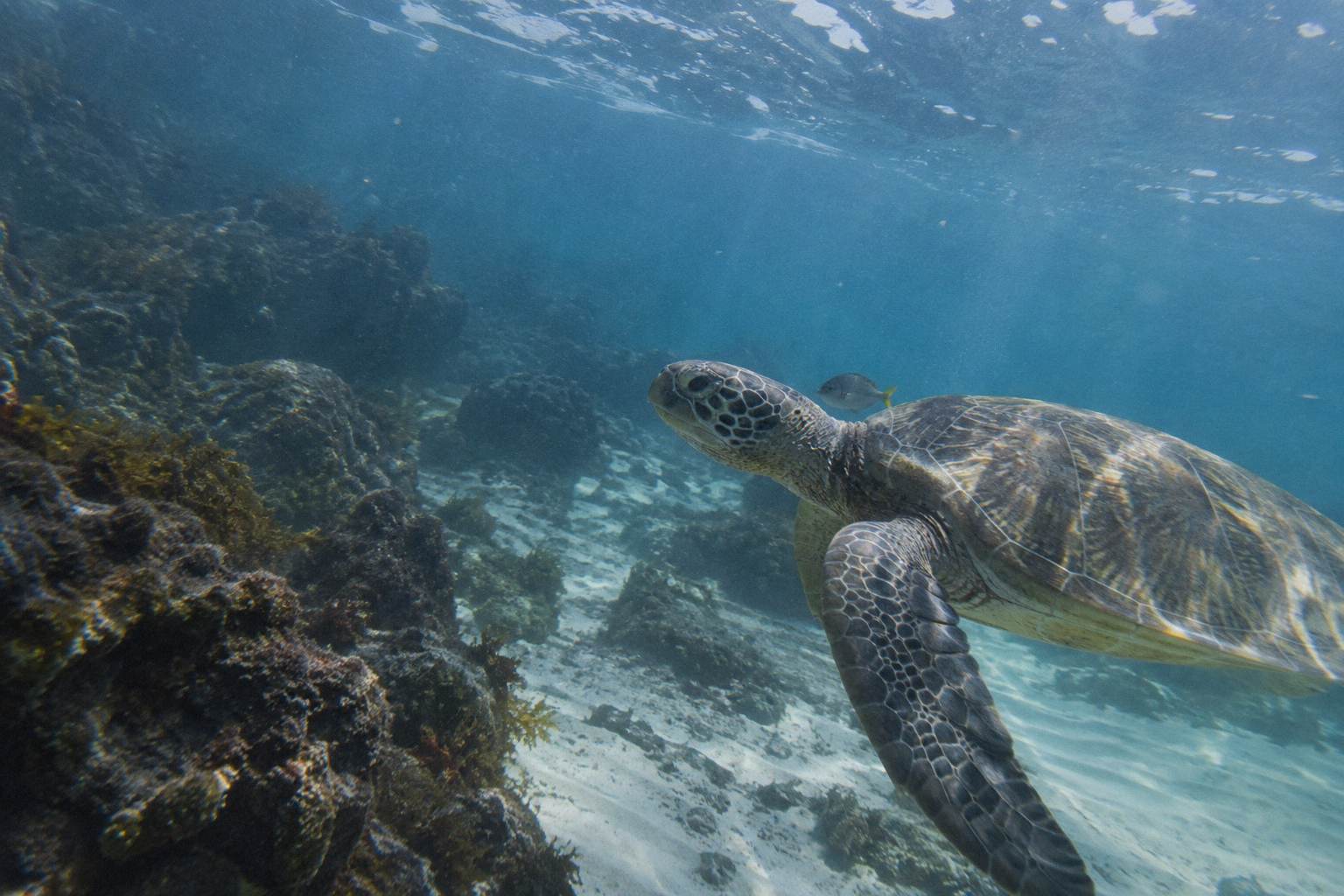
The seasonal split the operators describe is really a warm-water-versus-cool-water story. In the summer months the page names manta rays and leopard sharks, with leopard sharks gathering mostly in the Needles sandy arena during the warmer months from December to April. In the cooler winter water come the grey nurse sharks, one of the threatened species the marine park's own user guide names. Winter is therefore the season with the headline species, even though that species lives below snorkel depth. Snorkellers in the shallow 3-to-12-metre areas are described as seeing turtles, rays, a variety of colourful fish and crustaceans, and DPIRD's park page lists sharks, rays, turtles, eels, starfish and corals at the rocks without seasonal qualification. The Julian Rocks marine life guide maps which creatures sit where.
| Season | What one dive operator's page names | Snorkel-trip relevance |
|---|---|---|
| Warm months, December to April | Leopard sharks, mostly in the Needles sandy arena; manta rays in summer | Leopard sharks are a dive-site grouping; no sighting is promised |
| Cooler months, June to November | Endangered grey nurse sharks in sand trenches at 8 to 24 m | Below snorkel depths; rarely seen from snorkel trips |
| All year | Turtles, rays, crustaceans, nudibranchs, octopuses, eels, fish | The realistic snorkel mix in any month, including winter |
Two cautions belong beside that table. First, no sighting of anything is guaranteed: Byron Bay Dive Centre says turtles can be spotted year-round throughout the whole day but also says it cannot guarantee sea turtles will be there, and that honesty extends to every species on the list. Second, whales are a separate matter from snorkelling. Operators differ on their whale seasons, one running whale trips between May and November and another listing whale watching from June to October, and neither claim belongs on a snorkel trip. A winter snorkeller may see the whale boats about, and dolphins are common in the bay, but a snorkel listing that implies whales is overpromising. The whale season and your Byron Bay snorkel trip post handles that boundary in full.
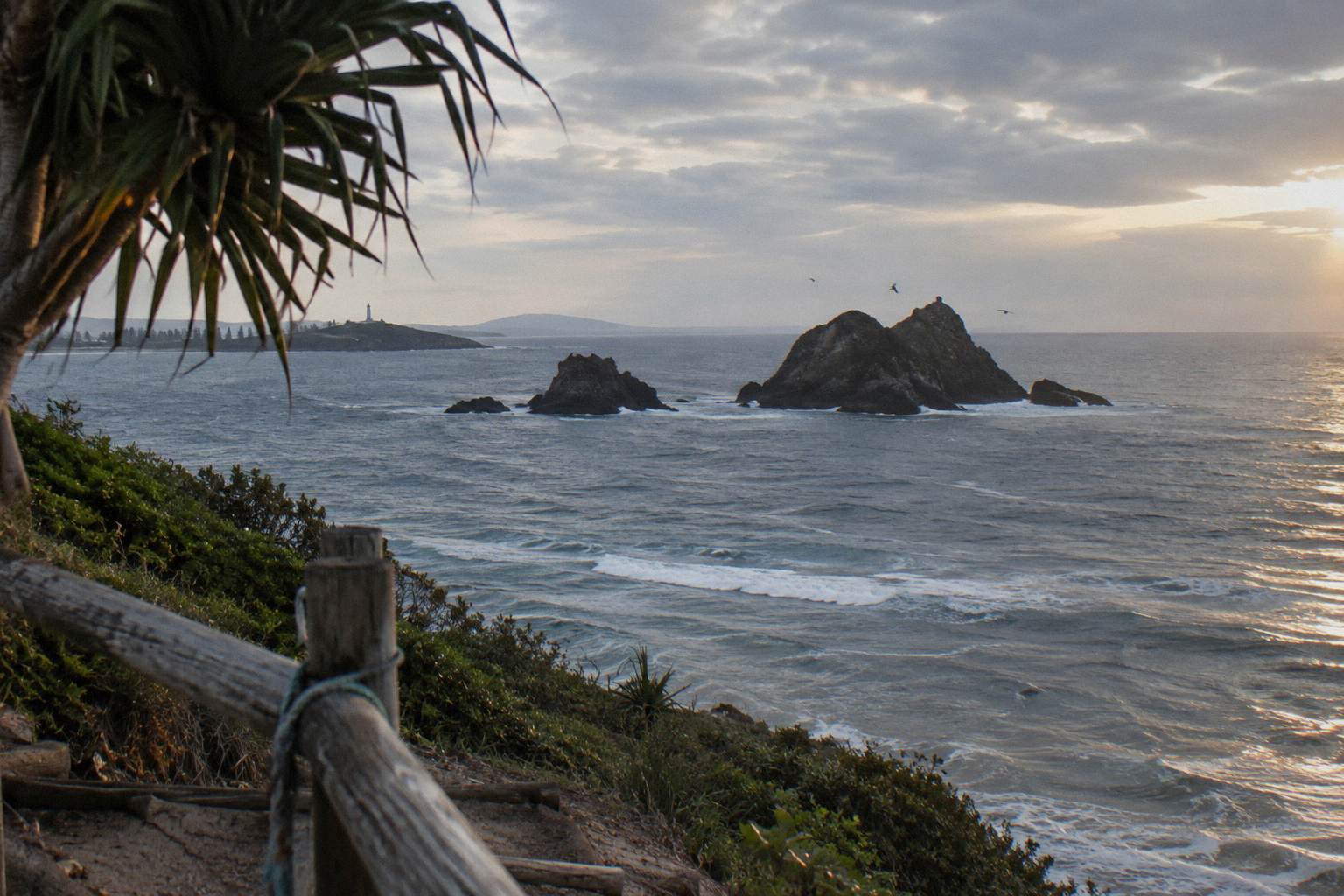
For cold-water context worth having: this is the same stretch of coast where the East Australian Current's warm tongue meets the cooler southern flow, which is why the rocks support over 1,000 marine species in operator wording, and more than 500 fish species in another operator's phrasing. Those are marketing-adjacent numbers, but the underlying convergence is real and is the reason a winter snorkel here is not a barren one. Green, hawksbill and loggerhead turtles are all listed year-round. The dedicated turtles at Julian Rocks guide collects what is actually known about the resident population.
Do Snorkel Trips Still Run In Winter?
Yes, the roster's Julian Rocks snorkel trips run as listed products through winter, with no seasonal shutdown on any booking page. The realistic winter risk is not cold but sea state: the site is open ocean where strong swells, currents, surges, cold water and winds are possible, and Byron Bay Dive Centre's policy is to contact guests by text or phone if conditions are unsuitable, offering a full refund or reschedule.
That cancellation policy is the piece of paper a winter booker should actually read. Byron Bay Dive Centre's window is 48 hours, with a 100 percent fee inside it, and a booking made through an agent follows the agent's refund policy, so weather-driven cancellations by the operator are refunded but traveller-initiated late cancellations are not. Guests with pregnancy or back or spinal injuries are prohibited from that operator's vessel-based activities, a rule specific to it rather than the industry. If the weather side of a winter booking worries you more than the temperature, what if the Julian Rocks snorkel trip is cancelled for weather walks through the mechanics, and how far in advance to book a Julian Rocks snorkel trip covers timing.
The rules that shape every winter trip are the marine park's, and they are stricter than most visitors expect. Vessels must limit speed to 4 knots within 200 m of the rocks, anchoring is not permitted within 700 m, and the seven marine park moorings carry a two-hour maximum, per the DPIRD user guide. Those constraints are why trips are structured as they are, with roughly an hour in the water bracketed by boat time. The park itself spans about 37 km of coast and about 220 square kilometres of state waters, with zones and rules in force since May 2006, and the rocks carry the dual name Nguthungulli Julian Rocks, adopted in July 2023, Nguthungulli being the Bundjalung word for Father of the World.
Whether winter is the right time to go also depends on what you are comparing it against. The summer alternative brings leopard sharks and mantas but also the northerly window between September and Christmas that can stir the sea up. Winter brings cooler water, calmer expectations of crowds, and the grey nurse aggregation below you. Neither season is a promise of anything, and the snorkelling or diving Julian Rocks comparison is the honest place to weigh whether the deeper winter spectacle is worth certification.
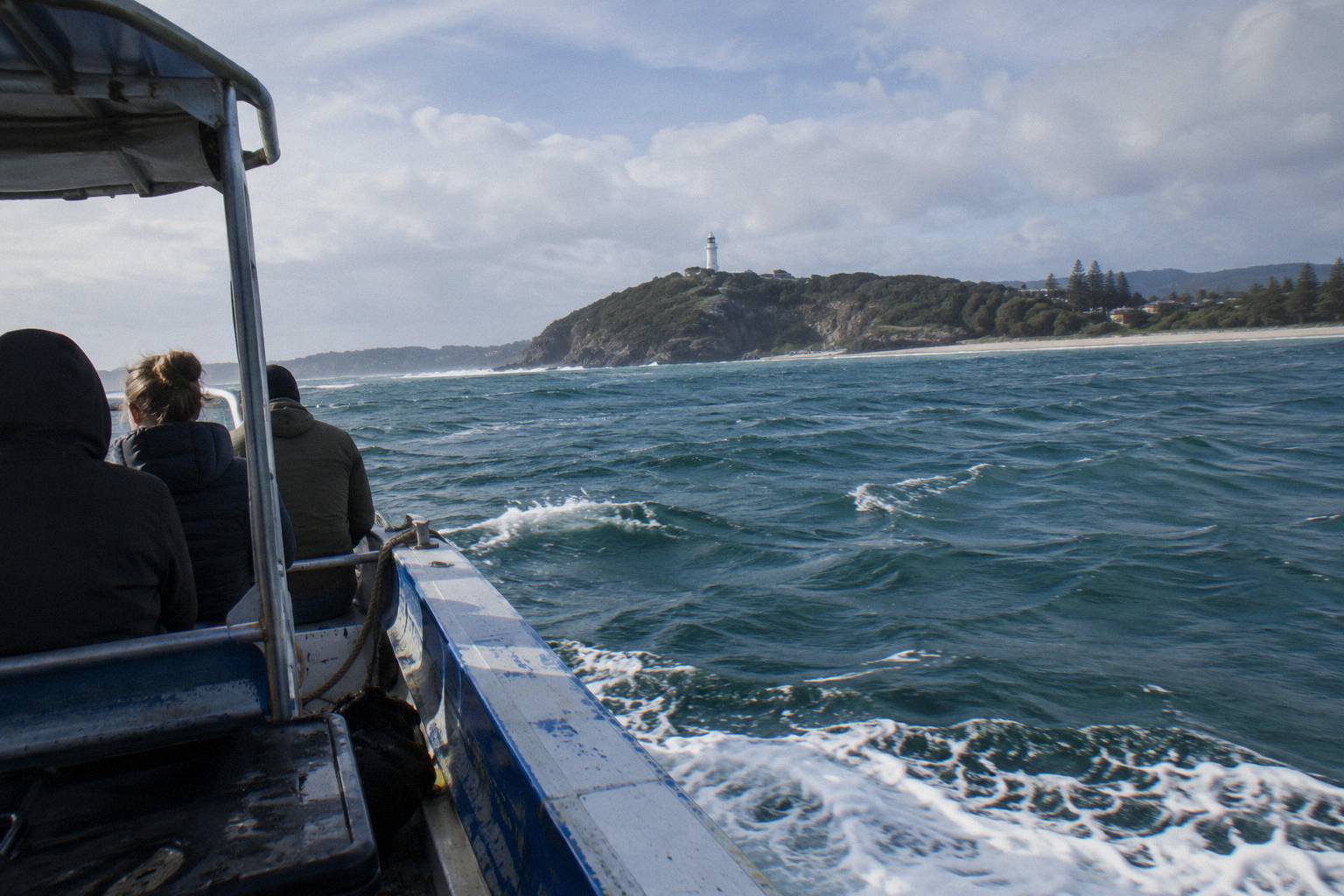
For anyone whose real hesitation is confidence rather than cold, the operator ecosystem has answers on both fronts. There is a briefing culture on these trips, and is there a briefing for nervous snorkellers covers what to expect before you get in, while can non-swimmers snorkel at Julian Rocks sets out the swimming requirements plainly. As Julian Rocks Snorkelling reports it, the water temperature is the smallest of the three winter variables, behind sea state and your own comfort in the ocean.
Official context for the marine park's protections is on the DPIRD Cape Byron Marine Park page, and Byron Bay Dive Centre's gear, age and cancellation details come from its own FAQ page.
Common Questions About Byron Bay Winter Snorkelling
Is Byron Bay Water Too Cold For Snorkelling In Winter?
No operator describes it as too cold, and every trip includes a wetsuit. One dive operator's site says winter water at Julian Rocks can drop to 17 degrees, averaging around 20, and advises 5 mm long wetsuits for the duration. With the supplied kit and roughly an hour in the water, winter snorkelling here is a dressed-for activity rather than an impractical one.
How Cold Is Byron Bay Water In Winter?
The only printed figure is one dive operator's: winter water at the rocks can drop to 17 degrees Celsius, with an average around 20. No official monthly sea-temperature table for Byron Bay was found, so treat any month-by-month averages elsewhere as estimates.
Is A Wetsuit Included On Julian Rocks Snorkel Trips?
Yes. Wetsuits, masks, fins and snorkels are included on the trips on this site's roster, not sold as extras. Byron Bay Dive Centre advises 5 mm long wetsuits and suggests a long wetsuit or a pool noodle for nervous snorkellers, with lifejackets on board.
Will I See Grey Nurse Sharks Snorkelling In Winter?
Rarely, if at all. Grey nurse sharks gather in the sand trenches from June to November, but at dive depths of 8 to 24 m, below the 3-to-12-metre range where snorkel trips swim. They are the winter highlight for divers; snorkellers should plan around turtles, rays, fish and crustaceans, which are listed all year with no guarantee.
Do Trips Get Cancelled For Cold Weather?
Cancellations are driven by sea state rather than temperature. The site is open ocean where swells, currents, surges and winds are possible, and Byron Bay Dive Centre contacts guests by text or phone if conditions are unsuitable, offering a full refund or reschedule. Its cancellation window is 48 hours with a 100 percent fee inside it.
Which Snorkel Trips Run In Winter At Julian Rocks?
All three featured trips run year-round as listed products: the Out Of The Blue trip and the Blue Seafaris trip, both about 2.5 hours from Brunswick Heads, and the Byron Bay Dive Centre sea turtle snorkel, about 2.5 hours with around 60 minutes in the water. Prices and times are on each live listing.