What Color Not To Wear When Snorkeling Around Sharks And Turtles At Julian Rocks?
No Julian Rocks operator publishes a colour rule for snorkelling gear. Here is what the operators and the marine park rules actually say to wear, plus a booking-desk checklist.
No colour rule exists in any of the Julian Rocks sources. Neither the operators' own pages nor the marine park's published rules state a colour you should avoid wearing in the water. What the sources do give is a gear list, swimming requirements, camera rules and wildlife rules, and those are the things that actually decide how your trip goes. The colour question is a fair one, because plenty of snorkelling folklore circulates about bright swimwear attracting some animals and alarming others. At Julian Rocks, though, nobody with authority over the water has put a colour rule in writing, and this page will not invent one on their behalf.
Here is the honest shape of the answer. First, the scope: the operators who run Julian Rocks snorkel trips, and the NSW agencies that manage the water around the rocks, publish no guidance on colour at all. Second, the substance: everything they do publish about what you wear and bring, which is genuinely useful and mostly resolves the colour question by replacing your swimwear with a wetsuit anyway. Third, the decision layer: a checklist of questions for the booking desk, and a comparison of the trips you can actually book, because the practical differences between them are far larger than anything a colour choice could change.
If you are already packing, the more useful companion is the site's Julian Rocks snorkel packing list, which covers the whole kit. And if your question is really about what to avoid doing in the water rather than wearing, read what to avoid when snorkeling Julian Rocks, which deals with behaviour around the animals directly.
Three Julian Rocks snorkel trips sit at the centre of this question, and you can compare them directly:
Do Any Julian Rocks Operators State A Colour Rule?
None do. Across every operator page and booking page reviewed for this article, no Julian Rocks operator publishes a rule, recommendation or even a passing remark about which colours to wear or avoid while snorkelling. The marine park's user guide and zoning rules are equally silent on colour: they regulate anchoring, speed, fishing and collecting, not swimwear. Any specific colour claim you have read about sharks or turtles comes from somewhere other than these sources.
That silence is worth stating plainly rather than papering over, because it tells you something real. Colour advice in snorkelling generally falls into two camps: colours that might attract curious animals, and colours that might mimic prey or alarm them. Neither camp has a supporter among the Julian Rocks operators, at least not in writing. The operators' energy goes elsewhere entirely, into whether you can swim, what gear you get and how you treat the animals once you are in the water.
“This excursion was absolutely incredible! We got to see turtles and were even lucky enough to see whales and dolphins very close to us in the water. The explanations from the marine biologist guide were a real plus, and a big thank you to the boat captain, who was so kind and friendly! We highly recommend this experience, without hesitation!”
It also matters that this is not an operator being careless with detail. The Byron Bay Dive Centre FAQ page, for instance, is thorough enough to cover prescription masks, seasickness tablets, lifejackets, pool noodles and its refund process. A colour rule would fit naturally on a page like that if one existed. Its absence is a genuine gap in the published advice, not an oversight in the research.
So the practical conclusion is simple. If colour matters to you, ask before you book, and treat the answer as that operator's opinion rather than a rule of the reef. The rest of this article covers the things the sources do say, which are the things you will actually be held to on the day.
Why The Colour Question Mostly Answers Itself: You Get A Wetsuit
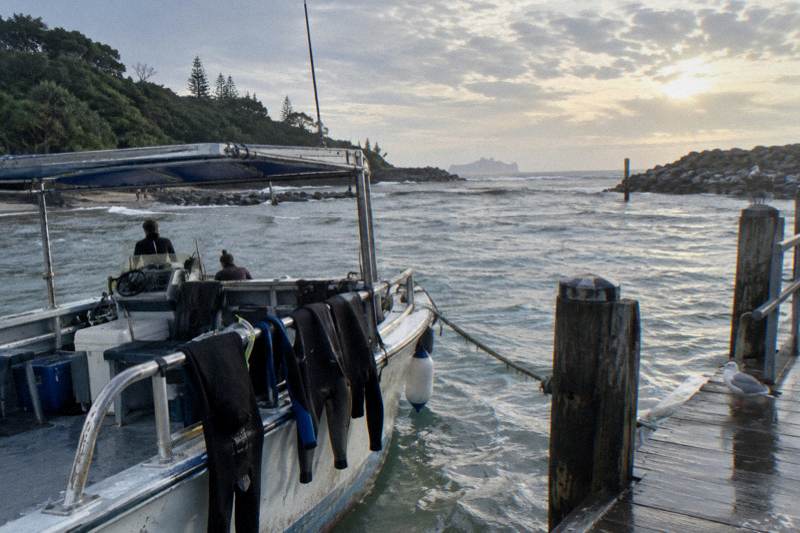
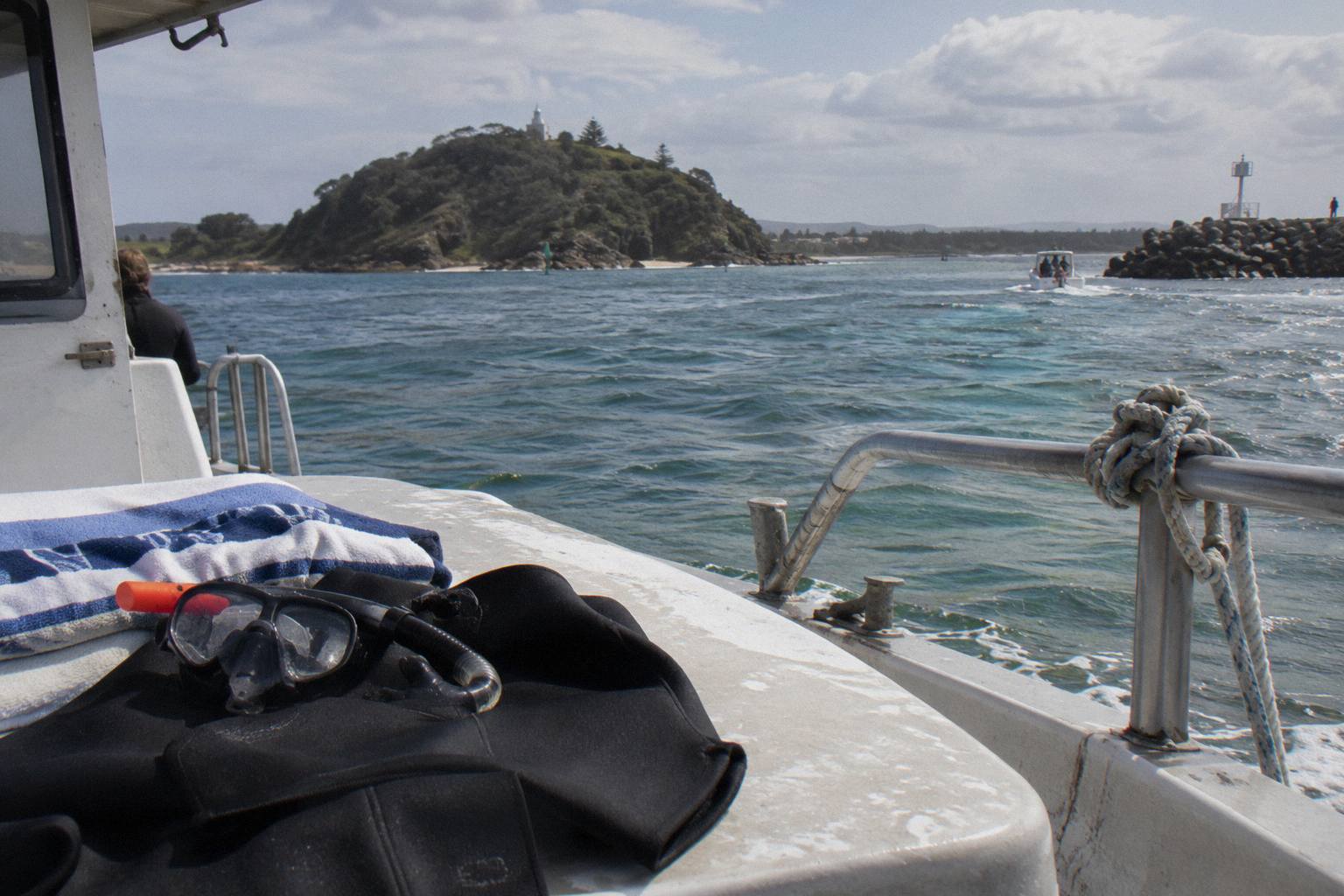
On the turtle-focused Byron Bay Dive Centre trip, fins, mask, snorkel and wetsuit are all included, so most of your body is covered in operator-supplied black neoprene before you enter the water. The same pattern holds across the other trips: gear including a wetsuit is part of the package. Whatever colour your swimwear is, only small patches of it will be visible to anything swimming past.
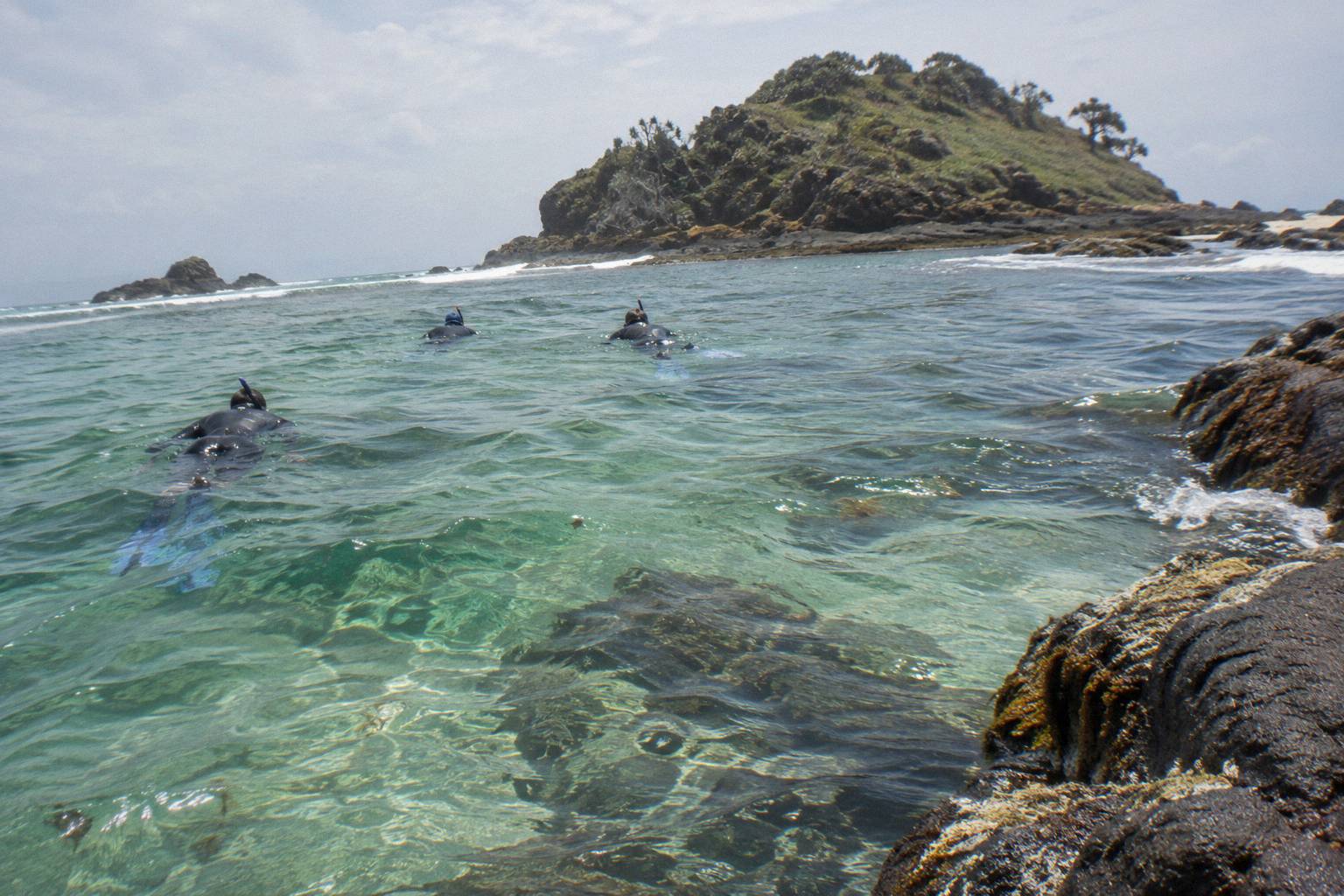
This is the quiet resolution of the whole question. The Byron Bay Dive Centre advises 5 mm long wetsuits for the duration of the trip, meaning full-length suits covering arms and legs, and supplies them. Its listed inclusion set is fins, mask, snorkel and wetsuit, with transport from the central meeting point to The Pass thrown in. Another operator's snorkel package likewise includes wetsuit, mask, fins and snorkel. When the operator dresses you head to ankle in its own suit, the colour of the bikini or boardshorts underneath becomes a detail with almost no exposure.
The wetsuit is doing several jobs at once. Warmth is one: this is open ocean, and the site's own guidance on conditions, covered in whether Byron Bay water is too cold for snorkelling in winter, is the place to read about that. Sun protection is another, since a long suit shields shoulders and backs that burn fast in Australian conditions. Buoyancy and confidence are a third: the operator specifically suggests a long wetsuit, or a pool noodle, for nervous snorkellers, and lifejackets are carried on board.
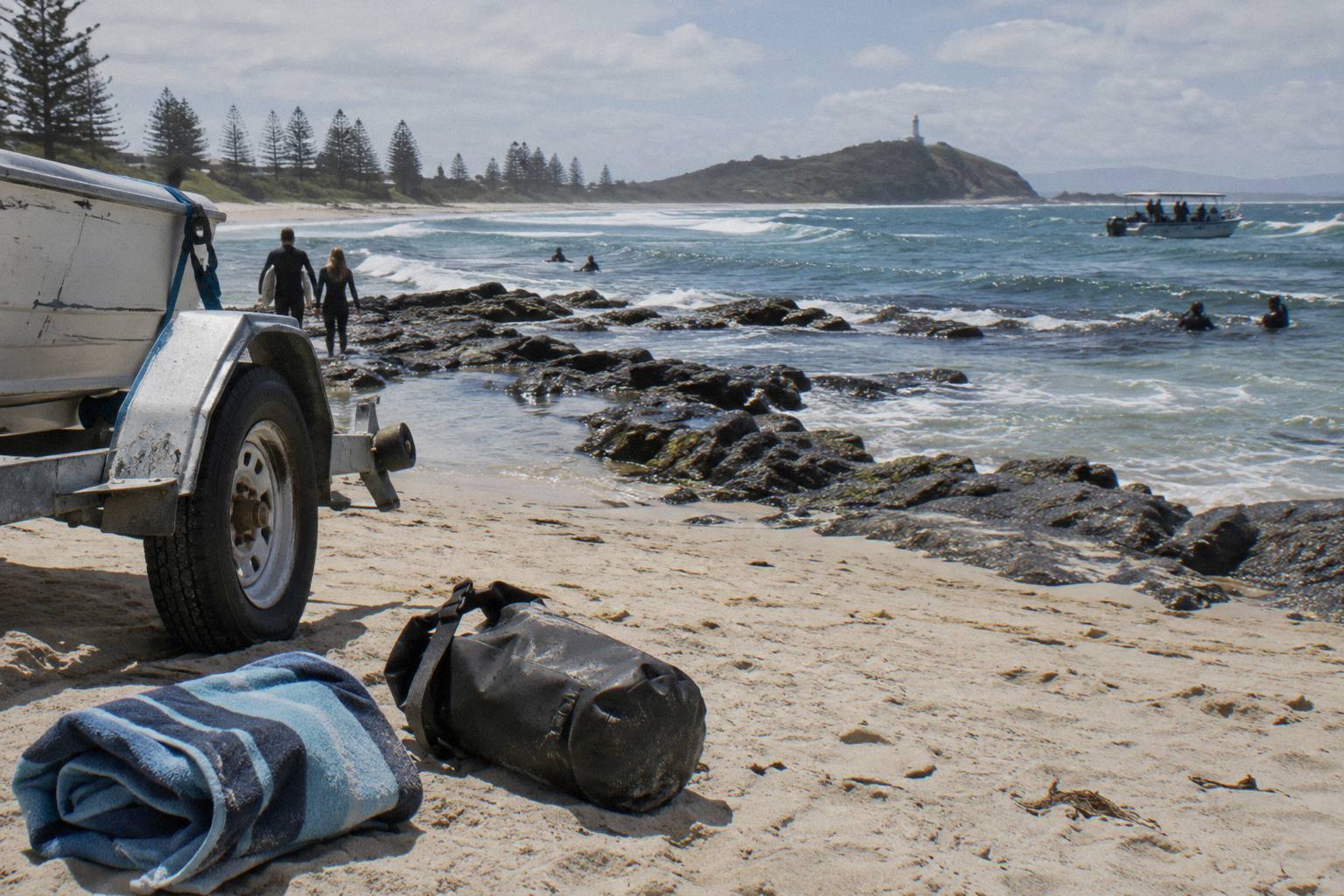
For the record, no source claims any colour of wetsuit over another, and none should be inferred from the fact that the supplied suits are what they are. The one thing worth noting about your own gear: contact lenses are fine on the Dive Centre trip, but prescription masks are not available, so anyone who wears glasses should plan for lenses rather than expecting a corrective mask on the boat.
One small related rule does exist, and it concerns a device rather than a garment. The Byron Bay Dive Centre permits waterproof cameras only, and bans flash. If you were wondering whether a bright housing or a strobe counts as the real "what not to bring" item, the flash ban is the closest the sources come to an answer: the operators regulate light, not colour.
What Actually Matters In The Water: Behaviour Rules, Not Colours
The marine park rules that touch your conduct are about harm, not appearance. In the sanctuary zones, which are no-take and cover 27.5 percent of Cape Byron Marine Park, all species are protected: no touching, collecting or harassing marine life, no fish feeding of any kind including shark feeding, and collecting or destroying animals and spear fishing are prohibited at the rocks. Nothing in any of these rules mentions what you wear.
The sanctuary zone around Nguthungulli Julian Rocks is the highest level of protection in the marine park. The rules permit activities that do not harm any animal, plant or habitat, and they explicitly list snorkelling, diving, boating and surfing among the allowed ones. So snorkelling is welcome; the condition is that you leave everything exactly as you found it. The full framework is laid out in the site's guide to Cape Byron Marine Park snorkel rules.
“Beautiful trip and saw so much sea life. It was absolutely amazing. The guide did a great job! Overal 12/10 experience!”
The Byron Bay Dive Centre repeats the same principles in its own words for its guests: do not touch, collect or harass marine life. Cameras must be waterproof and flash-free. These are the conduct rules a snorkeller is actually asked to follow on a Julian Rocks trip, and they have a direct bearing on the animals named in your question. Turtles at the rocks are green, hawksbill and loggerhead species seen year-round, though the operator is explicit that it cannot guarantee sea turtles will be there. Whether a turtle stays near you or drifts away is governed by how the group behaves, which is a matter of hands, distance and splashing, not swimwear pigment.
It is worth being careful here about what the sources do not say. No official or operator source states an approach distance in metres, and this page will not invent one. If you want the detail on the touching question specifically, the site covers it separately in whether you can touch turtles when snorkelling in Australia. The rule as published is a prohibition on harm and harassment, full stop.
“I loved snorkeling in Byron Bay. The things to do were amazing, and the live guides were reassuring. We saw leopard sharks, turtles, fish, and even a whale on the way back. I recommend the things to do 100%. Thank you!”
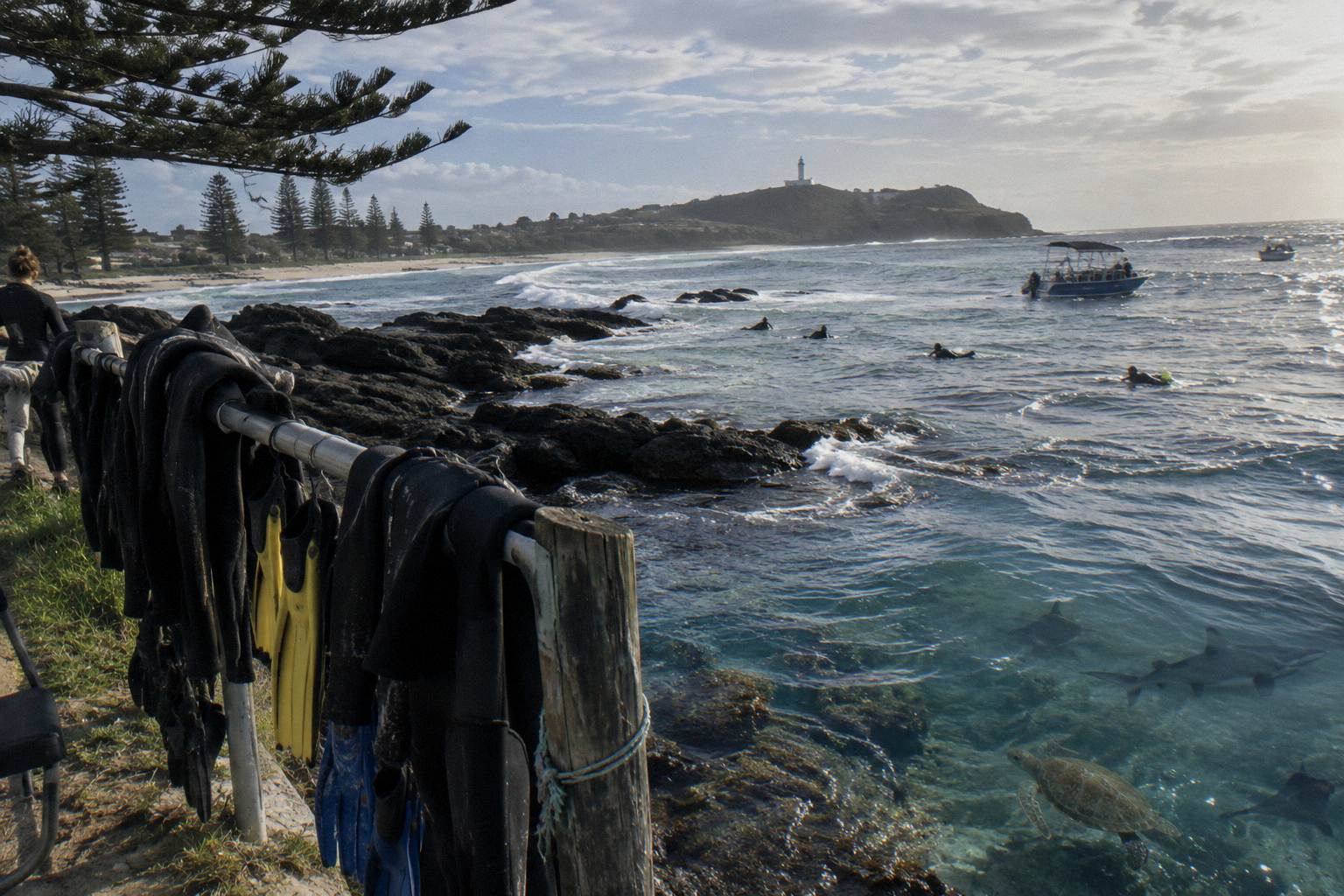
For the sharks side of the question, the sources are equally colourless. The DPIRD user guide names grey nurse sharks among the threatened species of the marine park, and one operator notes them in the sand trenches during the colder months from June to November, at diving depths of 8 to 24 m rather than snorkel depths. Leopard sharks are a warmer-months sighting, December to April. None of this comes with a wardrobe advisory, and any claim that a particular colour changes shark behaviour at this site would be invention.
| Source of the rule | What it says about what you wear or carry | What it says about colour |
|---|---|---|
| Byron Bay Dive Centre FAQ | Fins, mask, snorkel and wetsuit included; 5 mm long wetsuit advised; waterproof cameras only, no flash | Nothing |
| Another operator's snorkel page | Wetsuit, mask, fins and snorkel included in the package | Nothing |
| A third operator's tour page | Gear included; must be able to swim | Nothing |
| DPIRD marine park user guide | Regulates moorings, anchoring, speed, fishing, feeding and collecting | Nothing |
| NSW Government page on the rocks | Prohibits collecting or destroying animals and spear fishing; the rocks are a bird sanctuary | Nothing |
That table is the entire published record on the matter. Five sources, each with plenty to say about gear and conduct, and not one word about colour.
A Checklist Of What To Ask The Booking Desk Before You Go
Since no written colour rule exists, the booking desk is the only place to get one, and a short set of questions covers everything the sources leave open. Ask about wetsuit supply and thickness, about the camera policy, about swimming requirements and minimum ages, and about the cancellation and weather process. Each of these has a firm answer on file for at least one operator, and each matters more on the day than colour.
The point of the checklist is not to interrogate the operator. It is to convert the gaps in the published advice into quick answers before money changes hands. Here is what to ask, and why each question earns its place.
| Question to ask | Why it matters | What is on file |
|---|---|---|
| Is a wetsuit included, and how thick? | Decides what you wear under it and whether colour is even visible | Dive Centre includes suit and advises 5 mm long; another operator includes wetsuit, mask, fins, snorkel |
| Are prescription masks available? | Glasses wearers need to plan for contact lenses | Dive Centre: no prescription masks, contact lenses fine |
| What are the swimming requirements? | Some trips screen for open-ocean ability | One operator requires open-ocean experience and a 200 m unassisted swim; Dive Centre requires comfortable swimming and ocean comfort |
| What is the minimum age? | No single age applies across trips | 5, 7 and 10 years appear on operator pages; Blue Seafaris and Out Of The Blue state none, so ask the operator |
| What is the camera policy? | Flash is banned on at least one trip | Dive Centre: waterproof cameras only, no flash |
| What happens if the sea is unsuitable? | Refund and reschedule terms differ | Dive Centre contacts guests by text or phone, full refund or reschedule; 48-hour cancellation window |
Two of those rows deserve a little more air. The swimming requirement is the single biggest filter between one trip and another. Out Of The Blue Adventures asks every guest to swim 200 m unassisted before booking, and crew will pull snorkelers from the water who cannot, with no refund. Turtle School (Byron Bay Dive Centre) sets the same 200 m standard in open ocean on its Nguthungulli tour, while the Dive Centre's separate sea turtle trip asks for just 25 m unassisted and comfort in the water, with a minimum age of 10 and no life jackets to snorkel in. If your group includes a hesitant swimmer, this question, not colour, determines which trips are even open to you, and the site's fuller treatment is at whether non-swimmers can snorkel at Julian Rocks.
The minimum age question has no universal answer, and any article giving you one number would be wrong. The pages on file show 5, 7 and 10 years across three operators, and the booking pages for the Blue Seafaris and Out Of The Blue trips state no minimum age at all. The rule is that the minimum is whatever is written on the page of the trip you actually book, and where nothing is written, ask the operator before you pay. The site's guide to kids on the Julian Rocks snorkel trip works through the detail.
“I had an amazing trip! The boat was super fun, the guide was excellent and I swam with turtles, wobbegongs, a spotted ray and saw two octopus! Heaps of beautiful fish too. I wouldn’t have noticed half the sea creatures without our expert guide pointing them out! Thoroughly recommend the team at Blue Seafaris!”
The cancellation question is worth asking too, because it protects the money you are about to spend. The Dive Centre's position is that if weather or sea is unsuitable it contacts guests by text or phone and offers a full refund or reschedule, with a 48-hour cancellation window and a 100 percent fee inside it, and bookings made through an agent follow the agent's refund policy. Other operators' terms sit on their own pages and live listings, so read them at the point of booking rather than assuming the same terms apply everywhere.
The Blue Seafaris trip above is described on its listing as biologist-guided and runs about 2.5 hours from Brunswick Heads Boat Harbour, from AUD 94 per person, rated 4.5 across 448 reviews on its booking page. Its listing states no minimum age, so that goes on your ask-the-operator list along with any colour opinion the crew holds.
Which Julian Rocks Trip Fits Which Traveller
The three bookable snorkel trips differ in duration, meeting point and what they ask of you, and those differences should drive your choice. The turtle-focused Dive Centre trip runs about 2.5 hours with around 60 minutes in the water and supplies all gear, meeting at Byron Plaza with transport to The Pass. Blue Seafaris and Out Of The Blue both run about 2.5 hours from Brunswick Heads Boat Harbour, each from AUD 94 per person.
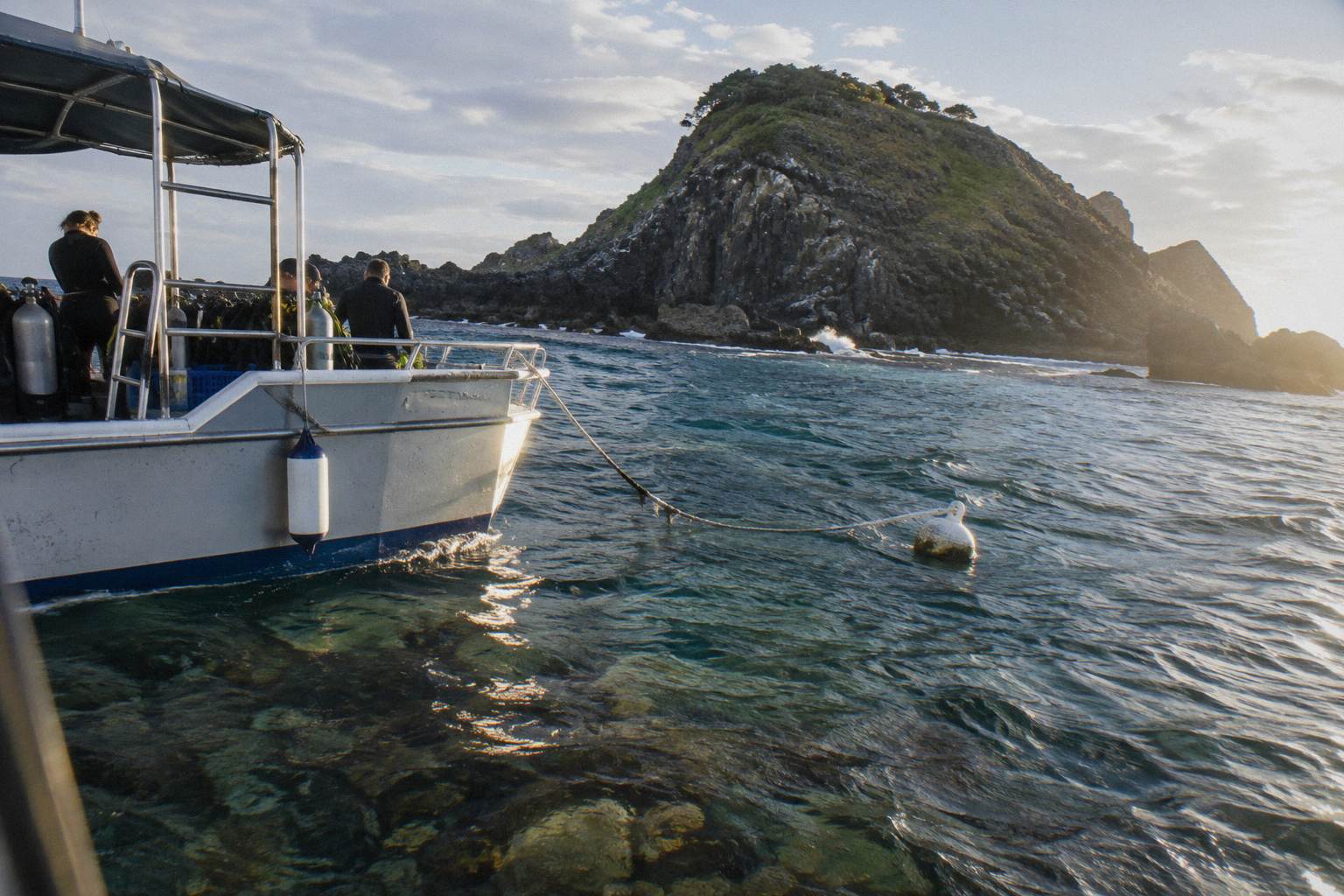
Put side by side, the practical trade-offs look like this. Prices and ratings below are booking-page figures; where a figure is not stated, it is left blank rather than guessed.
| Trip | Duration | Meeting point | Gear included | Minimum age | From price |
|---|---|---|---|---|---|
| Turtle School, 3-hour snorkel (Byron Bay Dive Centre) | About 3 hours, around 60 min in water | Turtle School, Byron Plaza, Jonson Street; boat from The Pass | Fins, mask, snorkel, wetsuit, transport to The Pass | 10 | Not stated |
| Blue Seafaris, 2.5-hour snorkel | About 2.5 hours | 43 Harbour Way, Brunswick Heads Boat Harbour | Not stated on the listing | Not stated: ask the operator | From AUD 94 |
| Out Of The Blue, Brunswick Heads | About 2.5 hours | Brunswick Heads Boat Harbour, NSW 2483 | Not stated on the listing | Not stated: ask the operator | From AUD 94 |
Ratings, where they exist, are worth reading with their sample sizes attached. Blue Seafaris sits at 4.5 across 448 reviews on its booking page. Out Of The Blue shows 4.4 across 167 reviews on its booking page. The Dive Centre trip carries no printed rating or review count here, so nothing is claimed about it either way. Small pools move a lot with each review, which is exactly why this site prints counts beside every rating.
Which trip fits which traveller? If your goal is the turtles named in your question, the Dive Centre's sea turtle trip is built around them, with around an hour in the water and a meeting point in central Byron Bay that saves the drive to Brunswick Heads. If you are staying north of Byron or want the shorter format, the two Brunswick Heads trips are about 2.5 hours each and identically priced from AUD 94. Families with children under 10 should note the Dive Centre's minimum age of 10 on that trip, while at least one other operator in the area starts at 5 and another at 7, so the age question may steer the choice before anything else does.
“AMAZING! The fun began on the boat ride out there and the marine life we saw was spectacular. Our guides, Matt and Will, were brilliant and had an obvious passion for marine life. 10/10 would recommend.”
The Blue Seafaris listing describes the trip as biologist-guided, which suits travellers who want interpretation as well as water time. The Out Of The Blue trip's booking page carries no comparable detail on file, so its in-water format beyond the 2.5-hour duration is a booking-desk question. Whichever way you lean, both Brunswick Heads operators share the same harbour, so the choice between them comes down to schedule, crew and the questions above rather than logistics.
The Wildlife You Are Dressing For
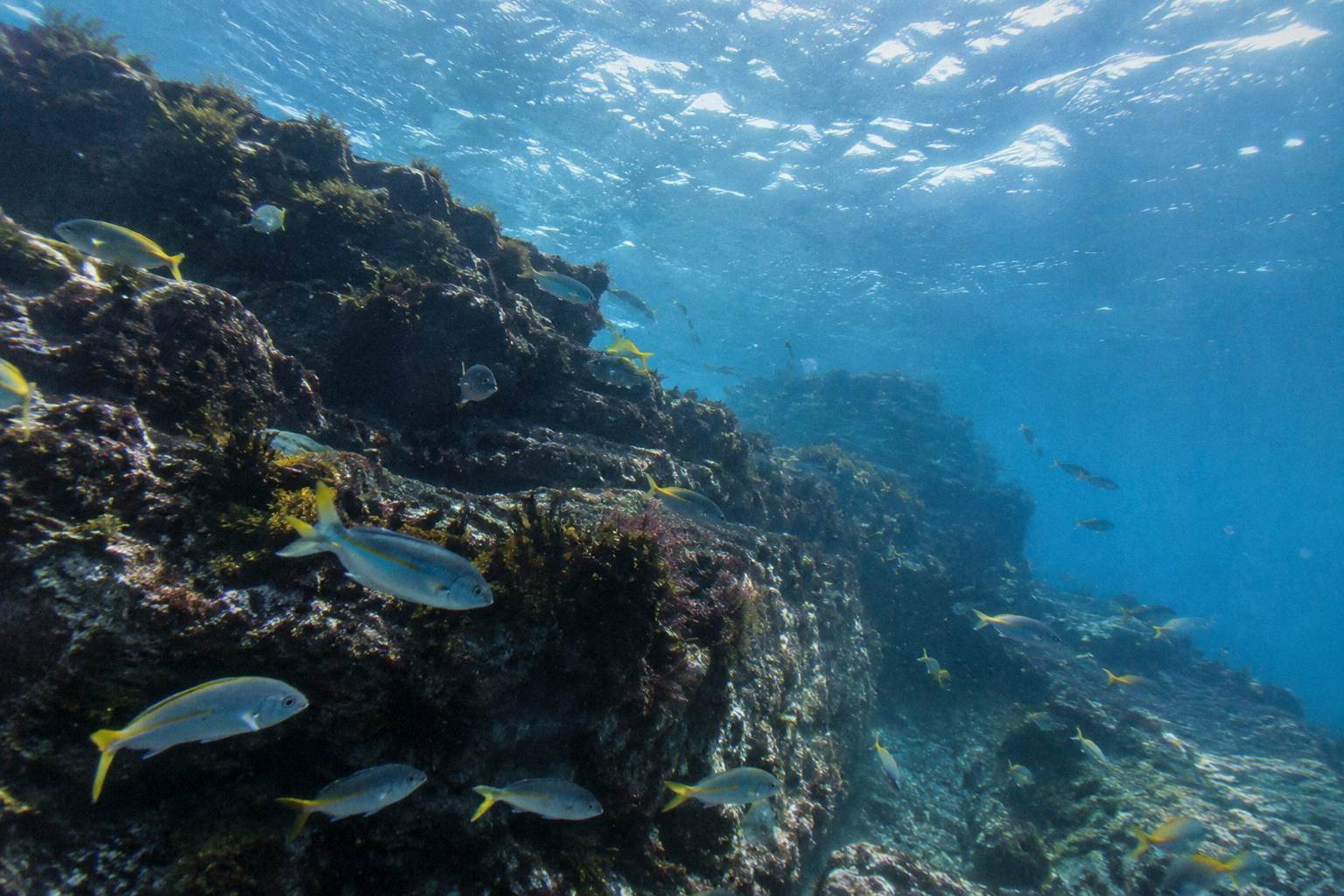
Julian Rocks, where warm and cold waters meet, has green, hawksbill and loggerhead turtles on record year-round, leopard sharks from December to April, and grey nurse sharks in the colder months at depth, alongside rays and a long list of fish; the operator's wording for the shallow areas is that you can see turtles, rays and a variety of colourful fish and crustaceans.
That mixture is why the site is worth the question in the first place. The convergence of warm and cooler waters is what packs so many species into one small patch of reef, and the animals make their own choices regardless of what anyone wears. Snorkel trips stay in shallow sheltered areas of 3 to 12 m, while the deeper sites, 8 to 24 m, are diving territory.
“A fantastic morning out! Leopard sharks, turtles, eagle rays and even a Manta! Couldn’t have wished for more! Choppy conditions to start but both the guide and skipper handled it well so everyone felt safe and looked after! Early morning session was a brilliant way to start the day!”
Seasonality shapes what you will meet, and it is more useful than any colour chart. Leopard sharks gather in the warmer months, December to April. Grey nurse sharks appear in the sand trenches from June to November, but at depths snorkellers do not reach. Turtles are listed all year with no guarantee, and the Dive Centre says plainly that it cannot promise sea turtles will be there on any given day. Rays appear in the site notes alongside the fish, and every one of those sightings is governed by season and behaviour rather than wardrobe.
None of this changes what you wear, but it changes how you read the water. A snorkeller drifting over a shallow sheltered area in a supplied 5 mm wetsuit, keeping hands to themselves and cameras flash-free, is already compliant with every published rule that applies. For the fuller species picture, including the seasonal calendar, the site's Julian Rocks marine life guide is the detailed reference.
The official context for all of it is the marine park itself, whose zones and user guide are published by the NSW Department of Primary Industries and Regional Development on its Cape Byron Marine Park page. The sanctuary zone specifics, including the 27.5 percent figure and the no-take rules, come from the department's marine park user guide, which is also the source for the mooring and speed rules that the boats, not the swimmers, must follow.
“A very nice trip. We saw a lot, including turtles and a small shark. Our two skippers were also super friendly and very attentive. In the water, a skipper accompanied us and went in search of turtles, etc. I highly recommend the trip. You head out on a fast speedboat, so there's also an adrenaline rush.”
The Bottom Line For Your Packing
Wear whatever colour you like under the wetsuit you will be given, because no source at Julian Rocks says otherwise. Spend your preparation on the four things that are actually written down: the swimming requirement, the minimum age, the camera policy and the cancellation terms. Ask the booking desk about colour if it matters to you, and treat the answer as advice from the crew rather than a rule of the site.
In practical terms, your packing reduces to a short list. Swimwear that fits under a full-length 5 mm wetsuit. Contact lenses if you wear glasses, since prescription masks are not supplied on the Dive Centre trip. A waterproof camera with the flash left off. Your own seasickness tablets if you are prone, though ginger tablets are on the Dive Centre boat. Nothing on the list has a colour requirement, and the operator supplies the rest.
For context on why this site supplies so much of what you might otherwise buy, the rocks' status as a protected nature reserve is covered in the site's Nguthungulli Julian Rocks nature reserve guide, and the official reserve page is maintained by NSW National Parks and Wildlife Service. The birds on the rocks, gulls, terns, tattlers, cormorants and plovers, are part of the same protection, which is one more reason the conduct rules are strict and the dress rules are not.
“We saw leopard sharks, turtles and many other fish – truly impressive!”
The last word goes to the gap itself. A question with no published answer is annoying, but it is better known than papered over with folklore. Every colour claim you meet elsewhere about sharks and turtles is a claim from other waters or no waters at all, and Julian Rocks Snorkelling will only print what the operators and the park authorities have actually put on record. Ask the crew, pack for warmth and sun, and let the animals judge you on behaviour alone.
Common Questions About Snorkel Colours At Julian Rocks
What Color Not To Wear When Snorkeling Around Sharks And Turtles?
No colour is on any banned or advised list. No Julian Rocks operator and no marine park publication states a colour rule for snorkelling. You will be supplied a full-length wetsuit on the trips that list their inclusions, so most of your swimwear is covered anyway, and any colour preference you have should be raised with the operator you book with.
Do Sharks At Julian Rocks React To Swimwear Colour?
No source says they do. The shark notes on file are seasonal: leopard sharks from December to April and grey nurse sharks from June to November, the latter at diving depths of 8 to 24 m rather than snorkel depths. No operator or agency page connects shark behaviour to colour, and no claim of that kind appears in the marine park's rules.
Do I Need To Bring My Own Wetsuit?
No, on the trips that list inclusions. The Byron Bay Dive Centre trip includes fins, mask, snorkel and wetsuit and advises 5 mm long suits for the duration. Another operator's snorkel package likewise includes wetsuit, mask, fins and snorkel. If a listing does not state its inclusions, ask the operator before you book.
Can I Use A Camera With A Flash?
Not on the Byron Bay Dive Centre trip. Its rule is waterproof cameras only, no flash. Combined with the marine park's ban on touching, collecting or harassing marine life, the flash rule is the closest thing the sources offer to a "what not to bring" policy, and it regulates light rather than colour.
What Should Nervous Snorkellers Know About Gear?
The Byron Bay Dive Centre carries lifejackets on board and suggests a long wetsuit or a pool noodle for nervous snorkellers. Its sea turtle tour requires snorkellers to swim at least 25 m unassisted and be comfortable in the water, with no life jackets to snorkel in. Ginger seasickness tablets are on the boat, and bringing your own tablets is recommended.