What To Avoid When Snorkeling: First-timer Mistakes At Julian Rocks
The avoidable first-timer mistakes at Julian Rocks, from skipping the swim-comfort check to expecting guaranteed turtles, with the operator rules and marine park regulations behind each one.
The mistakes first-timers make at Julian Rocks fall into a handful of predictable groups: assuming every trip has the same rules, skipping the swim-comfort question, expecting guaranteed turtles or sharks, ignoring the marine park regulations that apply in the water, and turning up unprepared for the boat ride itself. Every one of them is avoidable, because the operators and the park authority publish the rules in advance.
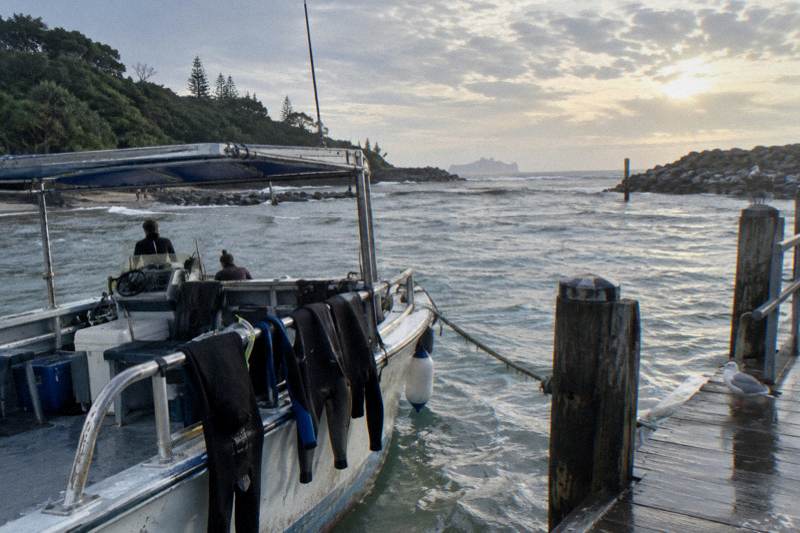
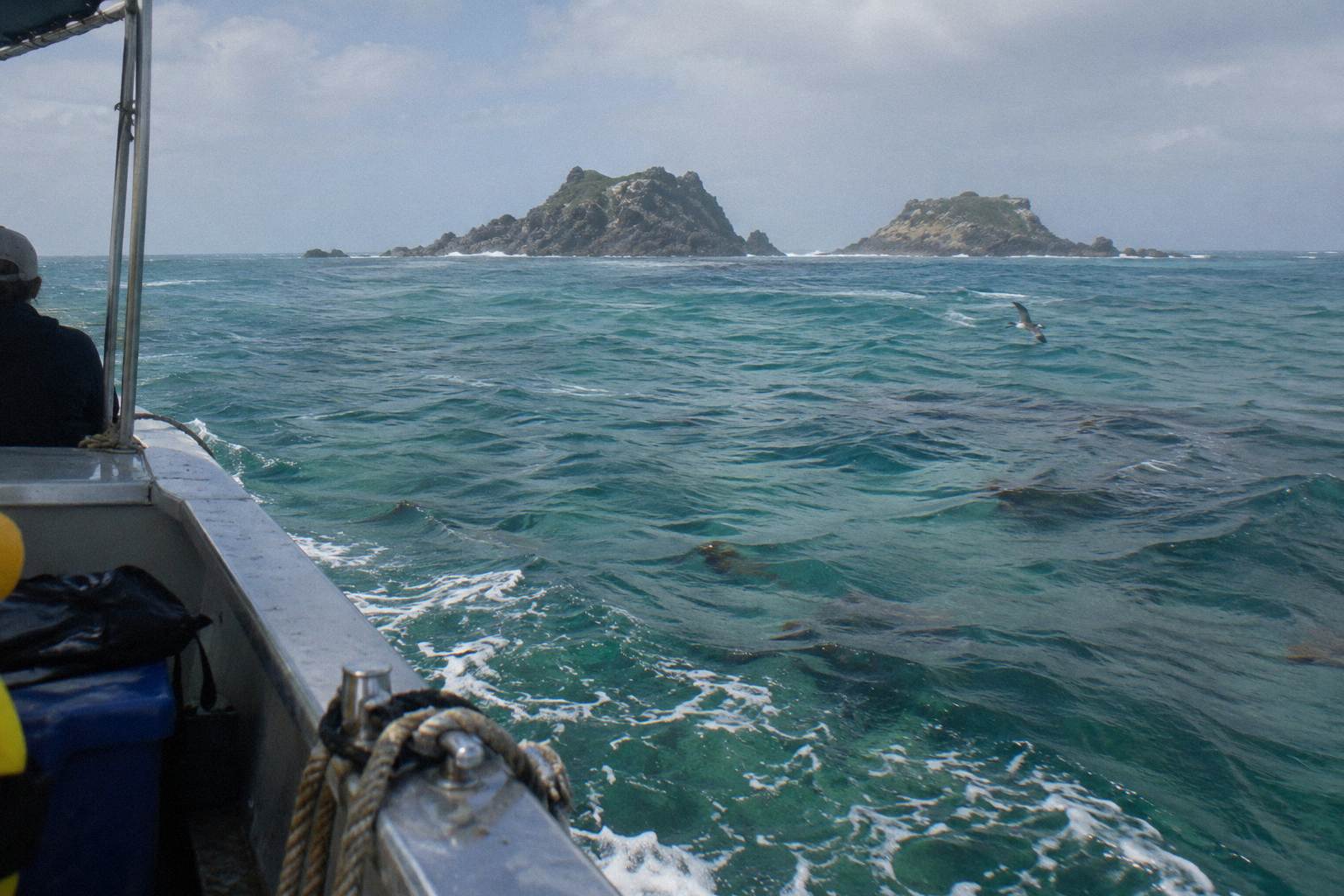
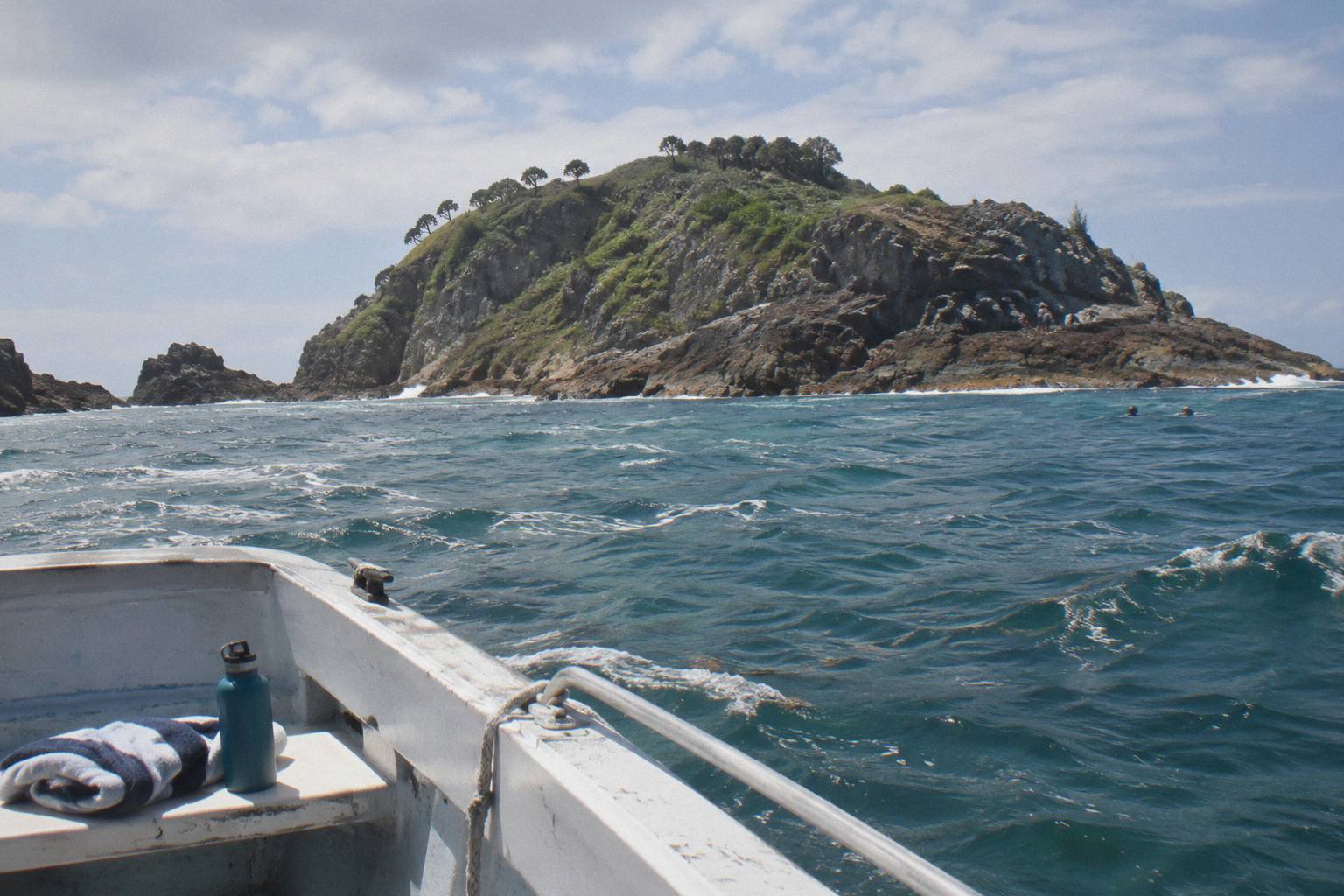
Nguthungulli Julian Rocks sits about 2.5 km off Cape Byron, inside Cape Byron Marine Park, and the boat ride out is short, roughly 5 to 10 minutes according to the Byron Bay Dive Centre FAQ. The brevity of that ride fools people. They treat the trip like a beach swim rather than an open-ocean snorkel at a protected site, and the preparation gaps show up at the check-in desk or in the water. The site is real open ocean: one dive operator's page warns of possible strong swells, currents, surges, cold water and winds, and winter water can drop to around 17 degrees.
This article walks through the mistakes in the order a first-timer meets them. Some are trip-selection errors made days before departure, such as booking a trip whose minimum age or swimming requirement does not match the person in your group. Others are expectation errors, like arriving with a promise of turtles in your head that no operator will make. The rest are rule errors, and those matter most, because the rocks sit inside sanctuary zones where the regulations are written by the NSW Government, not by the tour companies.
The good news is that the fixes are simple and none of them cost much effort. Read the trip page before you book, ask the operator directly when a detail is not stated, bring your own seasickness tablets if you are prone to motion sickness, and leave the flash camera at home. If you are still choosing between trips, the basics of choosing a Julian Rocks snorkel operator are covered in a separate guide on this site.
For a quick starting point, three Julian Rocks snorkel trips sit at different points on the format and price spectrum:
The Blue Seafaris trip is described as biologist-guided and runs about 2.5 hours from Brunswick Heads Boat Harbour. The Byron Bay Dive Centre sea turtle experience is about 2.5 hours with a longer water component. The Out Of The Blue trip is a second Brunswick Heads option at the same 2.5-hour length, so comparing the three is mostly a comparison of guide style, meeting point and time on the water.
Assuming Every Trip Has The Same Swimming Standard
No single swimming standard covers Julian Rocks trips, because each operator sets its own. Out Of The Blue Adventures requires you to swim 200 m unassisted before booking, and crew remove snorkellers who cannot, with no refund. The Turtle School (Byron Bay Dive Centre) tour asks for at least 200 m unassisted in the open ocean, while that centre's separate sea turtle trip needs 25 m unassisted plus comfort in the water, with no life jackets to snorkel in. Blue Seafaris requires comfort swimming in open water: pool noodles are offered, but there are no flotation jackets for non-swimmers.
This is the mistake that catches the most people out, because the trip pages look similar from a distance and the differences sit in the fine print. Turtle School states that snorkellers must be able to swim at least 200 m unassisted in open ocean. Out Of The Blue Adventures applies the same 200 m standard and its crew will remove snorkellers who cannot manage it, with no refund. Blue Seafaris asks that you be comfortable swimming in open water and offers pool noodles, though it does not provide flotation jackets for non-swimmers. Booking a strict trip for a nervous swimmer is a recipe for a bad hour on the water.
The practical fix is to read the exact trip page you are booking, not a summary, and to ask the operator directly where the page is silent. The two Brunswick Heads kayak trips in the roster publish no swimming minimum on their listings, so ask before you book rather than guessing. Comfort in the ocean is a different thing from pool confidence, and the snorkel operators that spell out a standard do so because open water moves in ways a pool never does.
“This excursion was absolutely incredible! We got to see turtles and were even lucky enough to see whales and dolphins very close to us in the water. The explanations from the marine biologist guide were a real plus, and a big thank you to the boat captain, who was so kind and friendly! We highly recommend this experience, without hesitation!”
There is also a hard eligibility rule on one operator that first-timers miss: Byron Bay Dive Centre prohibits guests with pregnancy or back or spinal injuries from vessel-based activities. That is that operator's rule, not an industry-wide one, but if it applies to someone in your group it needs to surface at booking time, not at the dock.
Wondering whether a weaker swimmer is ready for a trip at all is a slightly bigger question, and whether non-swimmers can snorkel at Julian Rocks gets its own treatment elsewhere on the site.
The nervous-snorkeller question also has a stated answer at Byron Bay Dive Centre: lifejackets are on board, and the operator suggests a long wetsuit or a pool noodle for extra float. That is worth knowing in advance, because many first-timers assume they simply have to cope.
Booking A Trip Whose Minimum Age Does Not Match Your Family
There is no single minimum age for Julian Rocks snorkel trips. The stated minima are 5, 7 and 10 years depending on the operator, and the booking pages for the Blue Seafaris and Out Of The Blue trips state none, so the answer is to ask. Booking on assumption rather than on the trip's own page is one of the most common and most avoidable first-timer mistakes.
The spread is real and it is published. Byron Bay Dive Centre's sea turtle snorkel sets a minimum age of 10 on its tour page. Sundive Byron Bay sets 7, with children aged 7 to 18 required to be able to swim and to be accompanied by an adult guardian. A third operator sets the bar at 5. Three numbers, one destination, which means the phrase "the minimum age at Julian Rocks" is meaningless on its own.
| Trip | Minimum age as stated | Source of the figure |
|---|---|---|
| Turtle School / Byron Bay Dive Centre sea turtle snorkel | 10 | Operator tour page |
| Sundive Byron Bay's snorkel trip | 7 (ages 7-18 accompanied by an adult) | Operator page |
| Wild Byron's tour | 5 | Operator page |
| Blue Seafaris 2.5-hour snorkel | Not stated; ask the operator | Booking page |
| Out Of The Blue Brunswick Heads trip | Not stated; ask the operator | Booking page |
Families get caught by this in both directions. A parent of a keen eight-year-old books the 10-plus trip and discovers the child cannot board, or assumes a five-year-old can join any trip because one operator allows it. Neither assumption survives contact with the check-in desk. The rule for a first-timer is blunt: the minimum age is the one on the page of the trip you actually book, and where the page prints none, an email before payment settles it in a minute. If you are planning around younger children generally, taking kids on the Julian Rocks snorkel trip goes into more depth.
Expecting Guaranteed Turtles, Sharks And Rays
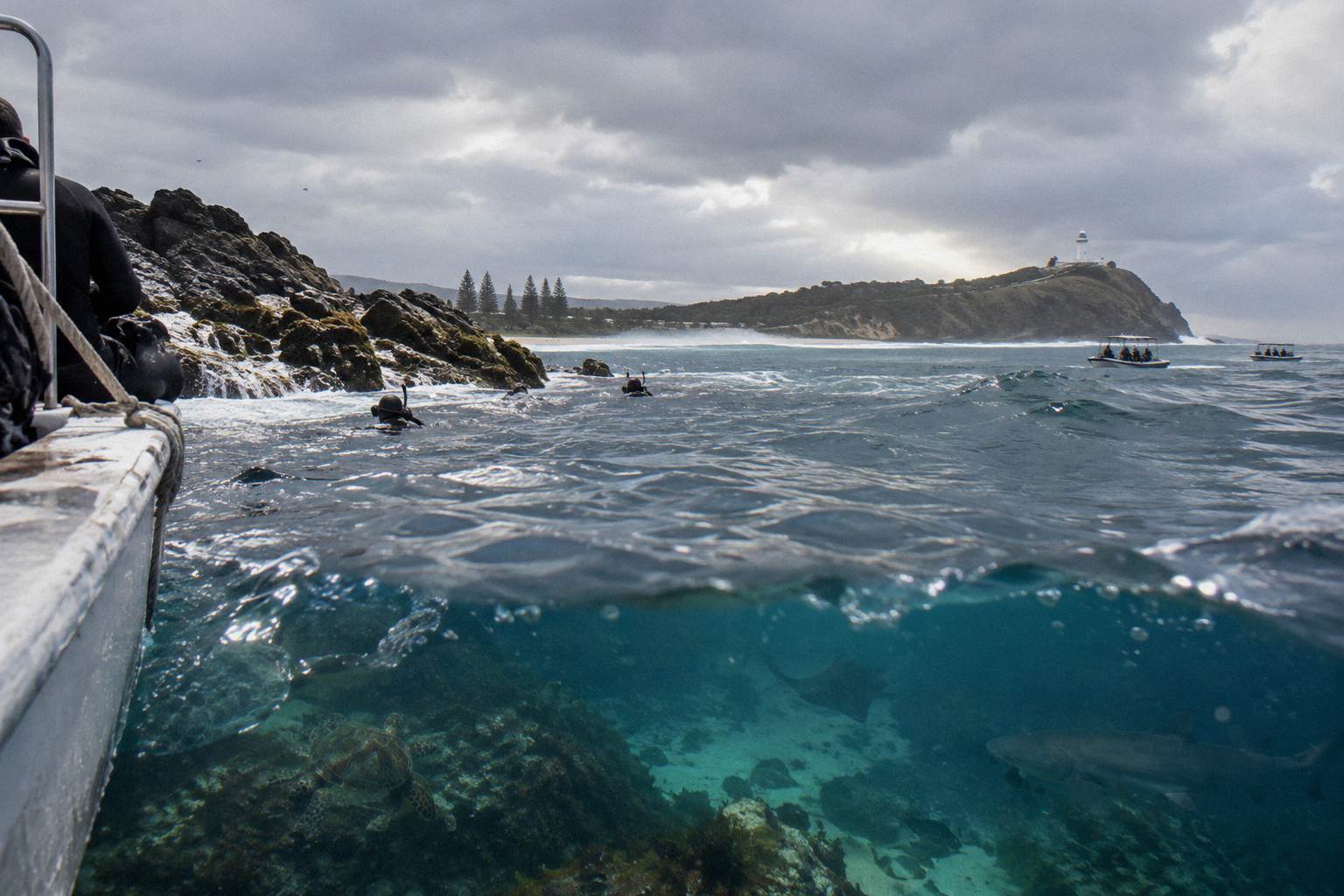
No operator at Julian Rocks guarantees sightings, and the honest ones say so directly. Turtles are listed all year at the site, but Byron Bay Dive Centre states it cannot guarantee sea turtles will be there. Grey nurse sharks sit at dive depths of 8 to 24 m, not snorkel depths, and are rarely seen on snorkel trips. Arriving with a promise in your head that no operator made is a classic first-timer mistake.
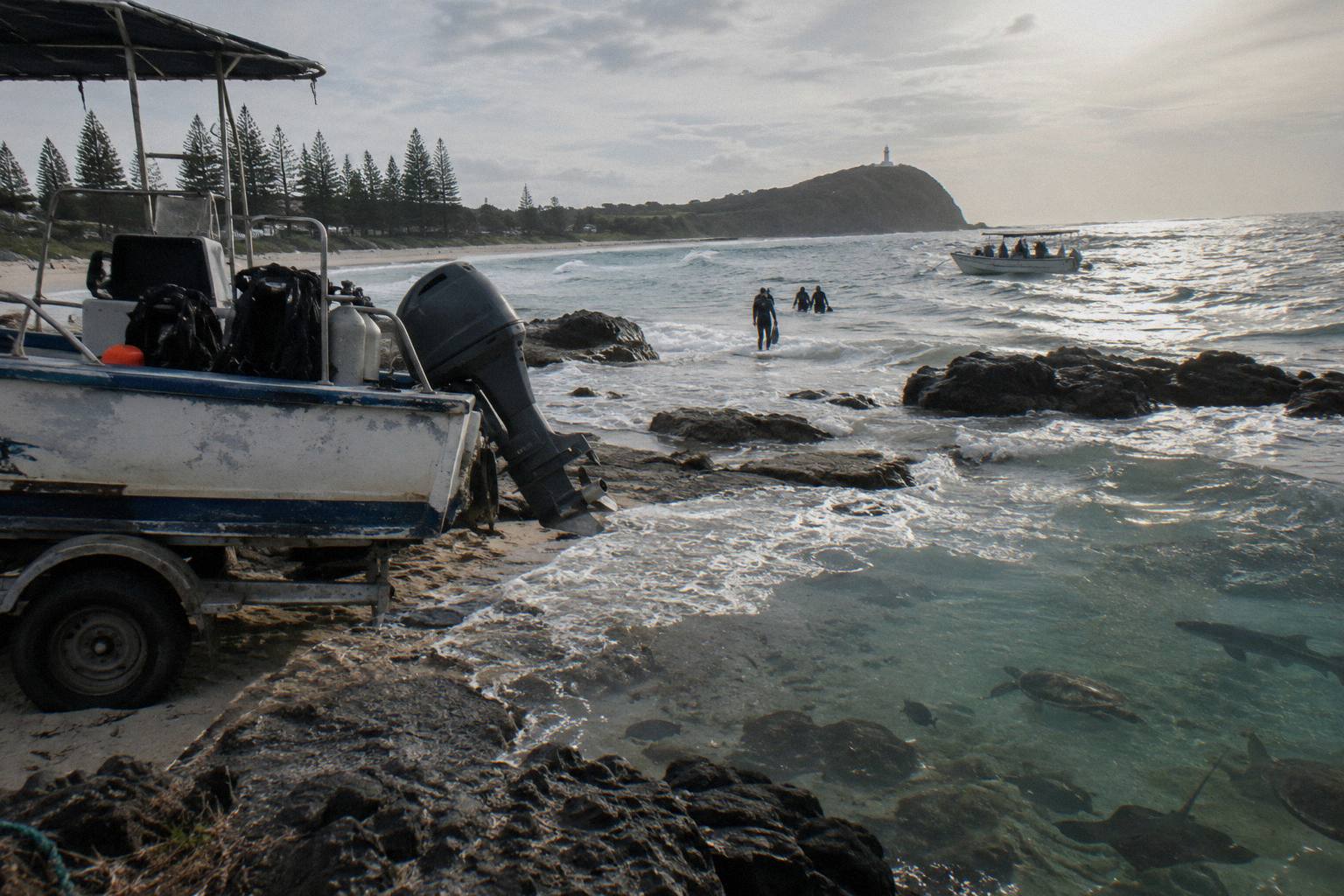
The marine life at the rocks is genuinely rich, and that richness creates the expectation problem. DPIRD's own page on the marine park lists sharks, rays, turtles, eels, starfish and corals at Nguthungulli Julian Rocks. A dive operator's page adds seasonal detail: manta rays and leopard sharks in the summer months, endangered grey nurse sharks in cooler winter water, and turtles, rays, crustaceans, nudibranchs, octopuses, eels and fish all year. Operators describe snorkel trips as seeing turtles, rays and a variety of colourful fish and crustaceans in shallow sheltered areas 3 to 12 m deep.
But described is not guaranteed, and the gap between those two words is where first-timer disappointment lives. The turtle wording from Byron Bay Dive Centre is careful: turtles can be spotted year-round throughout the whole day, and the operator cannot guarantee they will be there. Leopard sharks are mostly a December-to-April presence in the Needles sandy arena, and grey nurse sharks gather in the sand trenches from June to November at depths of 8 to 24 m, which a snorkeller floating near the surface simply does not reach.
“Beautiful trip and saw so much sea life. It was absolutely amazing. The guide did a great job! Overal 12/10 experience!”
The Byron Bay Dive Centre sea turtle experience gives itself the best shot at the headline animals, with about 2.5 hours in total and about 60 minutes in the water, but even that trip makes no promise, and its own FAQ says so. Treat every sighting as a bonus rather than a purchase, and the trip is far more enjoyable: the fish, the rays and the water clarity alone carry an hour in a sanctuary zone.
Seasonal expectations deserve a check too. If your whole plan rests on leopard sharks, travel in the warmer months. If it rests on grey nurse sharks, know that those sit at dive depth, and snorkellers rarely share the water with them. The seasonal breakdown in Julian Rocks marine life covers which animals appear when.
Touching, Feeding Or Chasing The Wildlife
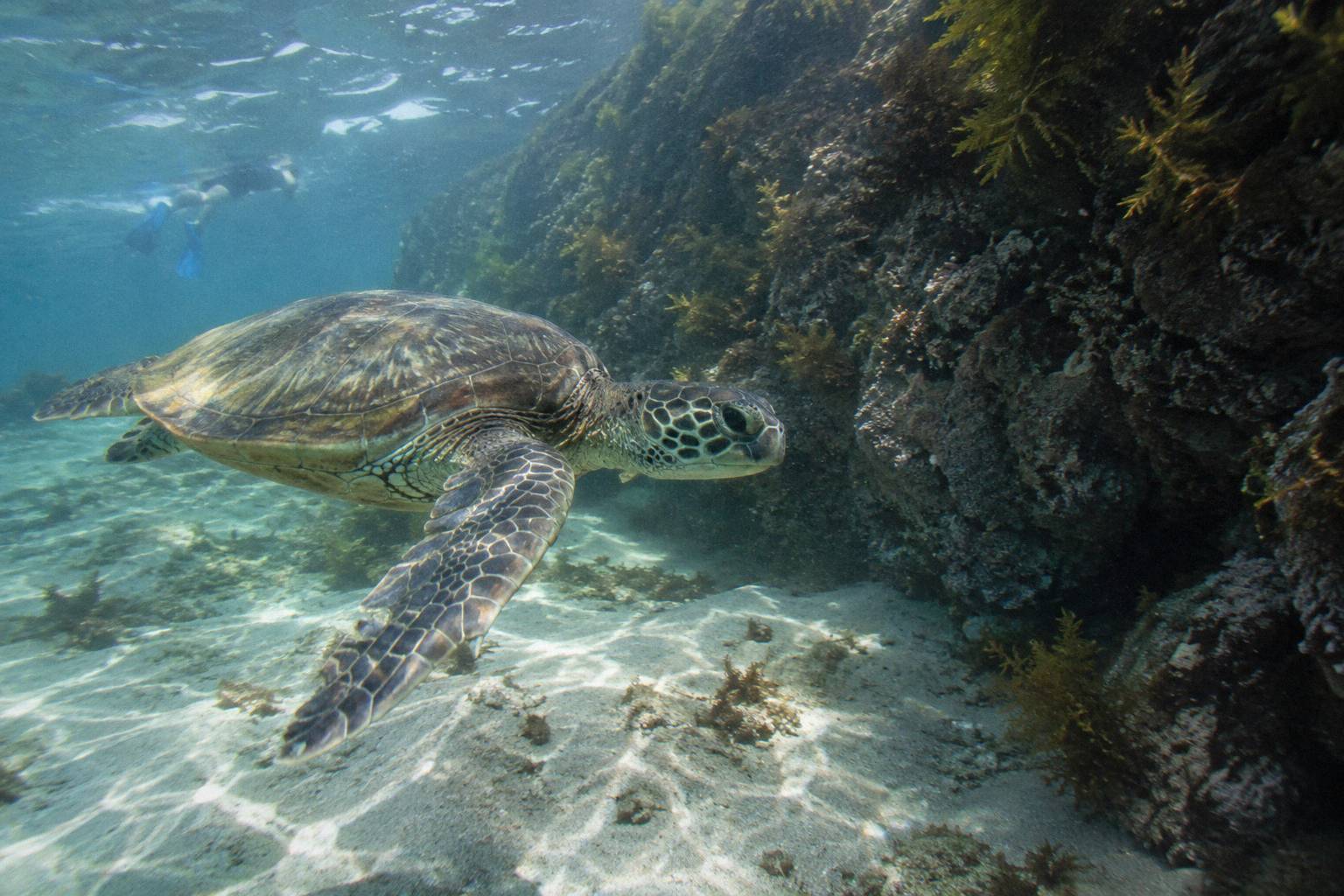
The sanctuary zones around Julian Rocks are no-take and fully protected: collecting is banned, all species are protected, and fish feeding including shark feeding is prohibited anywhere in the marine park. Byron Bay Dive Centre's rule for snorkellers is to not touch, collect or harass marine life. Touching a turtle or chasing an animal is not just poor form, it breaches the park rules.
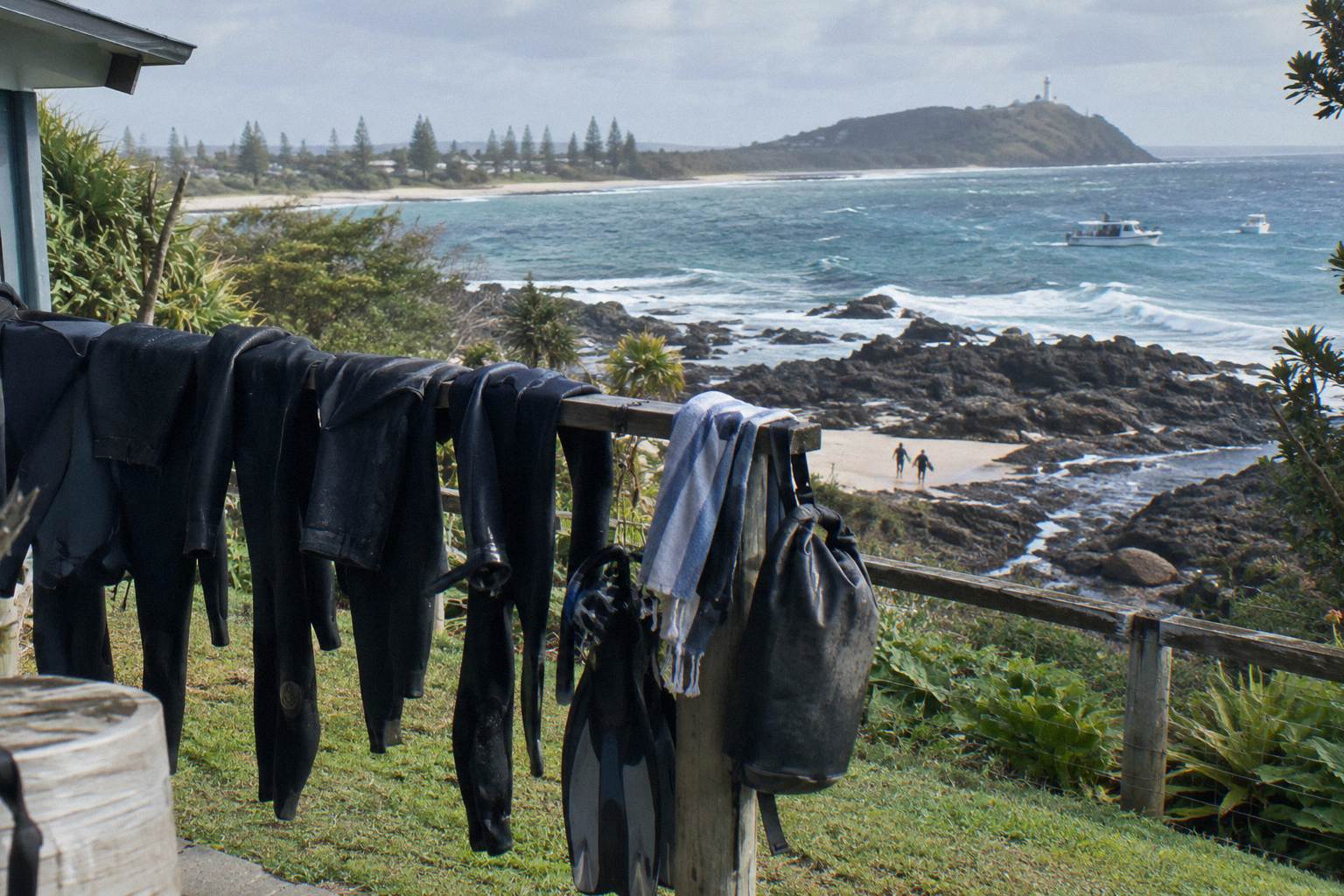
These are the mistakes with consequences beyond an awkward boat ride. Cape Byron Marine Park's sanctuary zones carry the highest protection available under NSW marine park rules. The DPIRD user guide bans all fishing and collecting in them, and the NSW Government page for the rocks adds that collecting or destroying animals and spear fishing are prohibited there, and that the rocks themselves are a bird sanctuary for gulls, terns, tattlers, cormorants and plovers. Snorkelling is welcome, and the zones page is explicit that activities which do not harm any animal, plant or habitat, including snorkelling and diving, are permitted.
The line is harm, and a first-timer crosses it more easily than they think. Grabbing at a turtle, standing on coral, pocketing a shell: each of those is collecting, harassing or damaging in the language of the rules. The operator-level instruction from Byron Bay Dive Centre is the practical version: do not touch, collect or harass marine life. The fuller set of rules, including the boating limits around the rocks, is laid out in Cape Byron Marine Park snorkel rules.
| Rule | Who sets it | What it means in the water |
|---|---|---|
| No collecting in sanctuary zones | DPIRD, June 2018 user guide | Nothing comes out of the water, not a shell, not a shell fragment |
| Fish feeding, including shark feeding, prohibited | DPIRD, park-wide | No bait, no chum, no feeding of any kind |
| All species protected in sanctuary zones | DPIRD zones page | Observe only; turtles, rays and fish are not props |
| Do not touch, collect or harass marine life | Byron Bay Dive Centre FAQ | The operator's plain-language version of the same rules |
One thing this article deliberately does not do is quote a wildlife approach distance in metres, because no official figure was found in the sources. The safe statement is the one the authorities make: look, do not interfere, and give every animal room to leave.
Bringing The Wrong Camera
Byron Bay Dive Centre allows waterproof cameras only and bans flash photography in the water. That is the stated camera rule on that operator's FAQ. First-timers who bring a phone in a thin pouch, or a camera with a flash that fires automatically, are breaking the operator's rule and disturbing the animals the park protects, so check the camera policy on your trip's own page before packing.
The flash ban pairs with the no-harassment rule above: a strobe going off in a turtle's face is harassment in effect even when the intent is a photograph. The operator's wording covers both at once, waterproof cameras only and no flash, and it is the kind of detail that never makes it into a packing list until it is too late. If your camera has an automatic flash, learn to disable it before the boat leaves, because the moment a sea turtle slides beneath you is not the moment to be hunting through settings.
Waterproofing is the other half. "Water resistant" is not waterproof, and a splash-rated phone pouch rated for the pool is a gamble in open ocean where swell can push it under repeatedly. The full equipment picture is in the Julian Rocks snorkel packing list, but the camera rule alone is worth stating here because it is operator-stated, specific and routinely broken by visitors who simply did not know.
“I had an amazing trip! The boat was super fun, the guide was excellent and I swam with turtles, wobbegongs, a spotted ray and saw two octopus! Heaps of beautiful fish too. I wouldn’t have noticed half the sea creatures without our expert guide pointing them out! Thoroughly recommend the team at Blue Seafaris!”
Turning Up Unprepared For The Boat And The Cold Water
The stated fixes are simple: bring your own seasickness tablets even though ginger tablets are on the boat, wear the 5 mm long wetsuit the operator advises for the duration, and do not expect prescription masks, because Byron Bay Dive Centre does not offer them, though contact lenses are fine. Winter water can drop to around 17 degrees, and underdressing is a common first-timer error.
The boat ride is short, 5 to 10 minutes, but short rides still produce seasick passengers, especially when the trip includes a surface interval at the site. Byron Bay Dive Centre carries ginger seasickness tablets on board and its FAQ recommends bringing your own as well. First-timers who skip that advice spend their 60 minutes in the water feeling green rather than looking at fish. The questions around this are common enough that whether you will get seasick on the Julian Rocks boat has its own article.
Gear is included on the stated trips: fins, mask, snorkel and wetsuit come with the Byron Bay Dive Centre trips, and Sundive Byron Bay's and Wild Byron's pages also list included gear. The gap first-timers hit is prescription masks. Byron Bay Dive Centre does not provide them, and its FAQ notes contact lenses work fine. If you wear glasses and planned to see the reef through them, the fix is contact lenses arranged before the day, not a conversation at the shop counter.
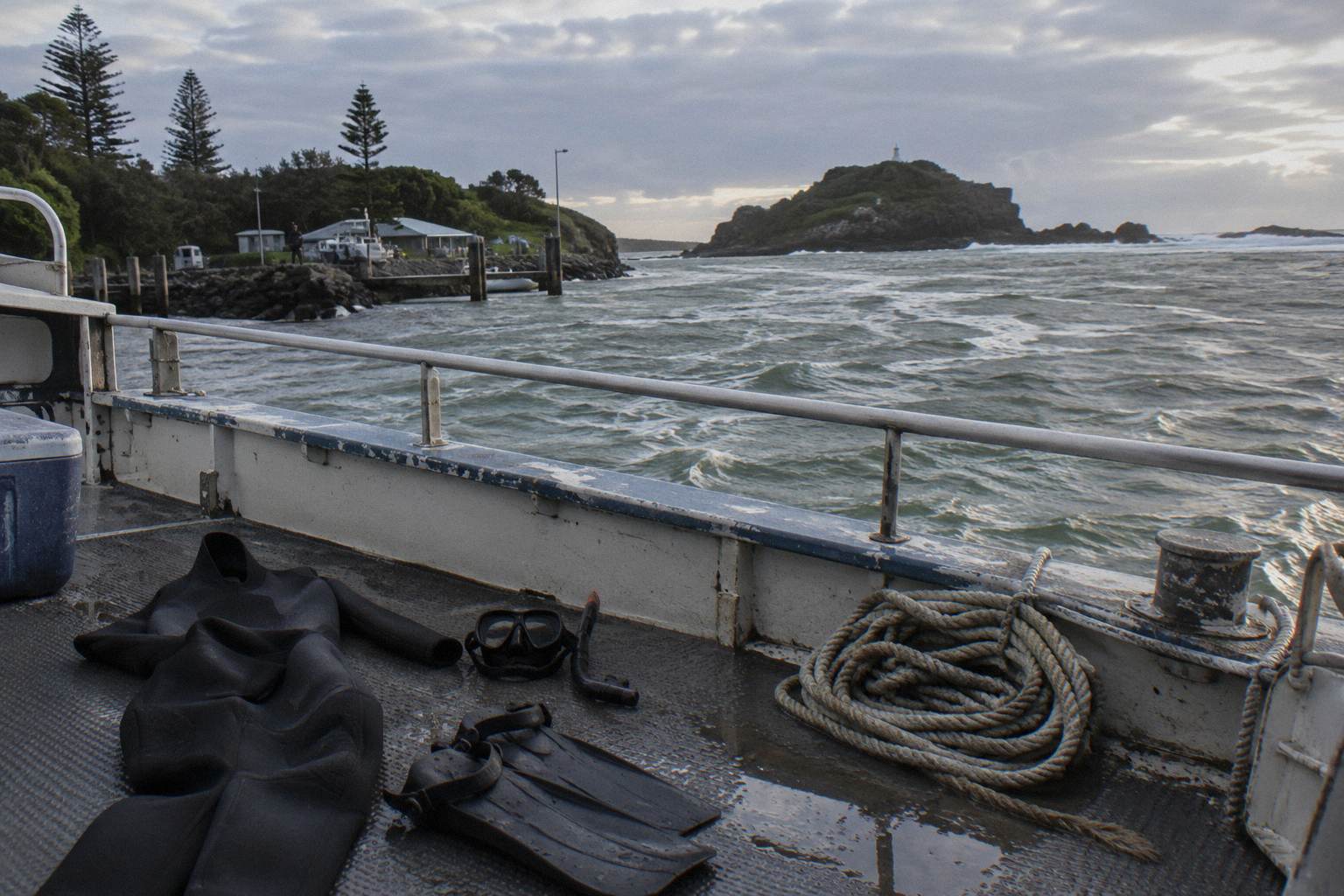
The wetsuit advice is about duration, not just temperature. Five millimetre long wetsuits are advised for the time in the water, because an hour in 20-degree water is a different proposition from a ten-minute dip. The monthly picture is in Byron Bay water temperature by month, and the broader cold-water question in whether Byron Bay water is too cold in winter.
Misreading The Cancellation And Weather Rules
Byron Bay Dive Centre's cancellation policy is 48 hours, with a 100% fee inside that window, and bookings made through an agent follow the agent's policy. If weather or sea conditions are unsuitable, that operator contacts guests by text or phone with a full refund or reschedule. First-timers who cancel late, or who book through a third party and assume the operator's policy applies, lose money avoidably.
“AMAZING! The fun began on the boat ride out there and the marine life we saw was spectacular. Our guides, Matt and Will, were brilliant and had an obvious passion for marine life. 10/10 would recommend.”
The weather side of this is genuinely generous: an open-ocean site sometimes cannot be snorkelled, and the operator's stated response is contact plus a refund or a new date. But the cancellation side is strict, and the agent wrinkle catches people who booked through a reseller and never read whose policy governs. The details of weather call-offs, including how you find out, are covered in what happens if the Julian Rocks snorkel trip is cancelled for weather.
Booking windows matter here too. A trip that cancels for weather needs slack in your itinerary to rebook, and the question of how far in advance to book a Julian Rocks snorkel trip is worth settling before you lock in flights.
Which Mistakes Cost The Most, And Which Are Free To Fix
The expensive mistakes are the eligibility ones: a child below the trip's minimum age, a guest outside the swimming standard, or a late cancellation inside the fee window. The free fixes are reading the trip page, asking the operator where the page is silent, packing your own seasickness tablets and disabling your camera's flash. Nothing in the marine park rules costs a cent to comply with.
“A fantastic morning out! Leopard sharks, turtles, eagle rays and even a Manta! Couldn’t have wished for more! Choppy conditions to start but both the guide and skipper handled it well so everyone felt safe and looked after! Early morning session was a brilliant way to start the day!”
Ranked by consequence, the pattern is clear. Eligibility and booking errors cost money outright, and they are all detectable at booking time. Expectation errors cost enjoyment rather than dollars, and they dissolve the moment you accept that no operator guarantees a turtle. Rule errors around touching, collecting and feeding cost the park, and they carry the serious end of the consequences.
| Mistake | Consequence | When to fix it |
|---|---|---|
| Booking without checking the minimum age | Refused at check-in | Before paying, on the trip's own page |
| Assuming one swimming standard | A bad hour in open water | Before paying, ask if not stated |
| Expecting guaranteed turtles or sharks | Disappointment with a good trip | Before boarding, read the operator's wording |
| Flash photos, touching or collecting | Breaches park and operator rules | Before boarding, disable the flash |
| No own seasickness tablets | Wasted water time; ginger is on board but weak | The night before |
| Late cancellation | 100% fee inside 48 hours at one operator | Check the policy when booking |
The site behind all of this is Julian Rocks Snorkelling, and it exists to answer exactly these questions before they become mistakes. The destination rewards preparation more than most, because the water time is short, roughly 50 to 60 minutes on the stated trips, and an hour wasted on seasickness or a leaky mask is a large share of the whole experience.
If a 2.5-hour biologist-guided format from Brunswick Heads sounds like your speed, the Blue Seafaris Julian Rocks snorkel trip runs from AUD 94 per person, rated 4.5 across 448 reviews on the live listing, and check availability takes a moment.
Out Of The Blue runs its own Brunswick Heads departure, about 2.5 hours, from AUD 94 per person and rated 4.4 across 167 reviews on the live listing. Meeting at the same harbour as the Blue Seafaris trip, it suits travellers who want the short boat run and a different guide team, and the same ask-the-operator rule applies for anything the listing does not state.
Whichever trip you choose, the three below cover the format spread at this one site:
Common Questions About Snorkeling Julian Rocks
What To Avoid When Snorkeling: First-Timer Mistakes At Julian Rocks
Avoid assuming one set of rules fits every trip: minimum ages run 5, 7 and 10 by operator, swimming standards differ, and the Blue Seafaris and Out Of The Blue pages state none, so ask. Avoid guaranteed-sighting expectations, flash photography, touching or collecting anything, and turning up without your own seasickness tablets.
Can I Touch The Turtles At Julian Rocks?
No. All species are protected in the sanctuary zones, collecting is not permitted, and Byron Bay Dive Centre's rule is to not touch, collect or harass marine life. Observing from a respectful distance is the only acceptable way to share the water with a turtle.
Is There A Minimum Age For Snorkelling At Julian Rocks?
There is no single minimum age. The stated minima are 5, 7 and 10 years depending on the operator, with the Byron Bay Dive Centre sea turtle trip at 10. The Blue Seafaris and Out Of The Blue booking pages state none, so ask the operator before booking with children.
Will A Snorkel Trip Guarantee I See Turtles And Sharks?
No operator guarantees sightings. Turtles are listed all year and Byron Bay Dive Centre says it cannot guarantee sea turtles will be there. Grey nurse sharks gather at dive depths of 8 to 24 m from June to November, which snorkel trips do not reach, so they are rarely seen while snorkelling.
Do I Need My Own Seasickness Tablets?
Byron Bay Dive Centre carries ginger seasickness tablets on the boat and recommends bringing your own as well. The ride is only 5 to 10 minutes each way, but time floating at the site can still affect prone passengers, so pack your usual tablets the night before.
Can I Bring A Prescription Mask Or A Camera With Flash?
Byron Bay Dive Centre does not provide prescription masks, and its FAQ notes contact lenses are fine. Cameras are waterproof-only, with no flash allowed in the water. Check your own trip's page for its camera policy before packing.