Do I Need A Wetsuit To Snorkel At Julian Rocks?
Whether you need a wetsuit to snorkel Julian Rocks, what the water temperatures are like, which operators include a wetsuit in the trip price, and what thickness to choose.
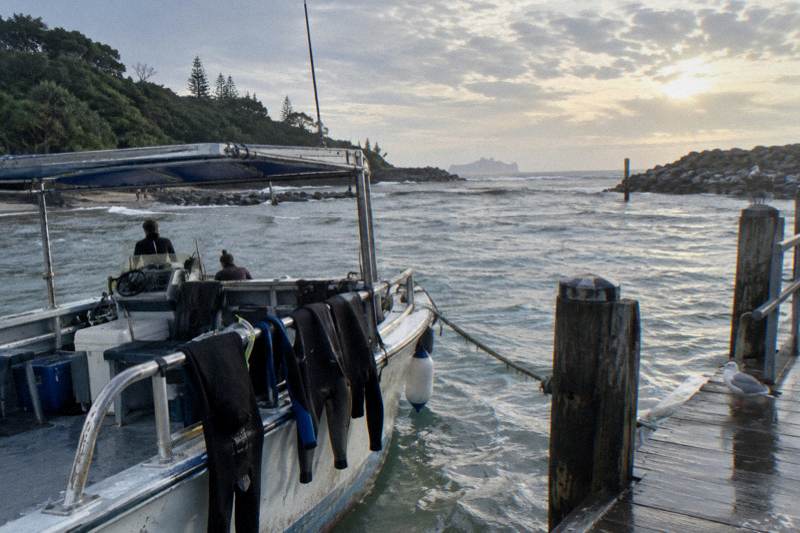
Yes, in practice you need a wetsuit to snorkel at Julian Rocks, and on the trips you can book it is rarely a decision you have to make yourself. The operators that publish their inclusions state that a wetsuit is included: Byron Bay Dive Centre includes a wetsuit and advises 5 mm long wetsuits for the duration of the trip, and another operator includes wetsuit, mask, fins and snorkel. Water at the site can drop to 17 °C in winter, averaged around 20 °C per one operator.
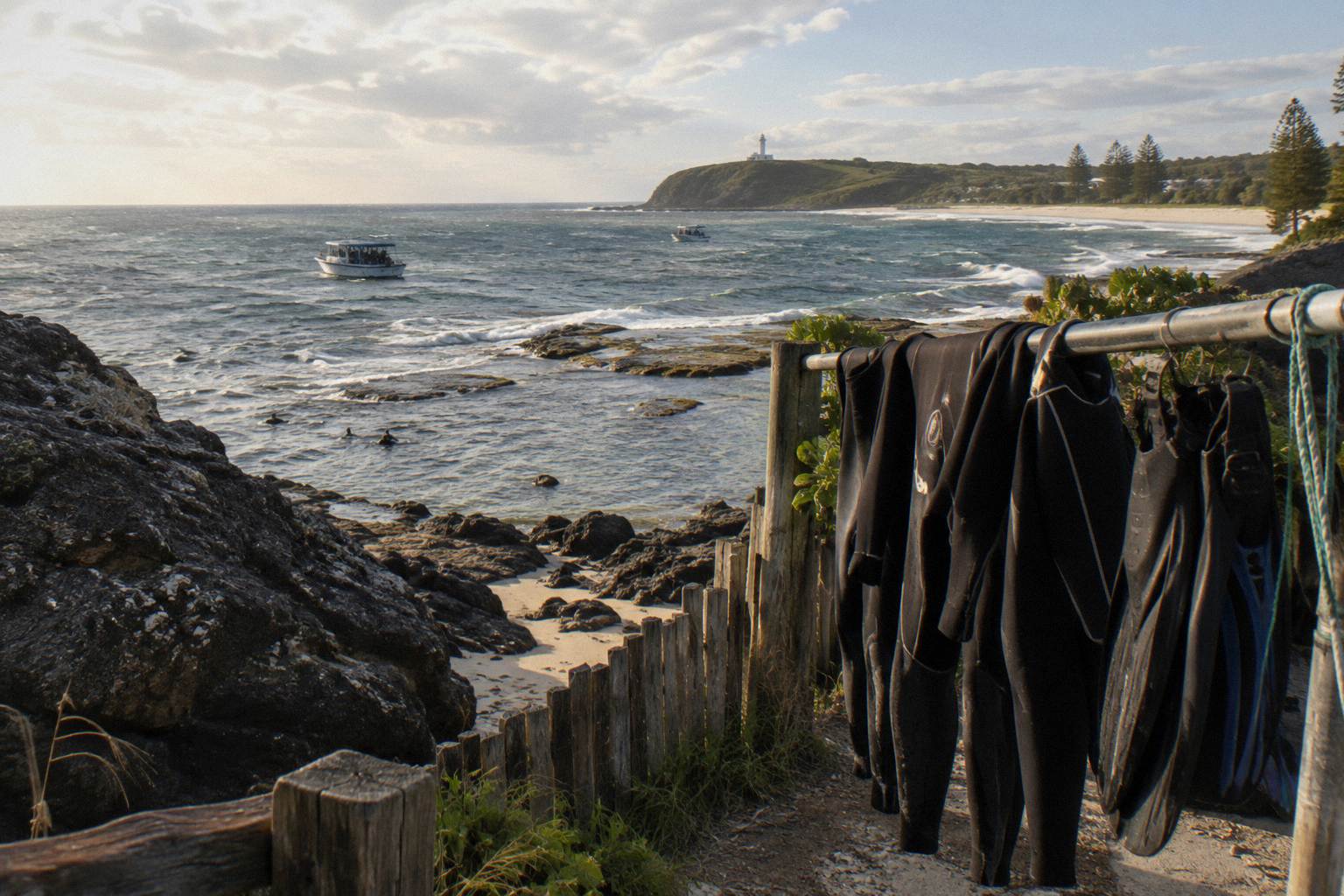
That is the short answer. The longer answer is about why a wetsuit matters at this particular spot, what the water actually feels like at different times of year, and how the inclusion policies differ between the trips that run out to the rocks. Julian Rocks, or Nguthungulli in the dual name adopted in July 2023, sits about 2.5 km off Cape Byron, and the boat ride from Byron Bay is short, roughly 5 to 10 minutes per the operator FAQ pages. The site itself is open ocean, and one dive operator's own description of conditions there names "strong swells, currents, surges, cold water and winds" as possibilities. A wetsuit is not a marketing upsell at a place like this; it is the difference between sixty comfortable minutes in the water and twenty shivering ones.
The site sits in Cape Byron Marine Park, a protected area covering about 37 km of coast and roughly 220 km2 of state waters, where the warm East Australian Current meets cooler southern water. That convergence is exactly why the marine life is abundant, over 1000 marine species by operator wording, and it is also why the temperature can surprise visitors who expect subtropical Byron Bay to feel like a warm bath. The rocks sit where two water masses mix, and the mix shifts through the year. Some days the tropical side of that mix dominates and the surface feels genuinely pleasant; other days a cooler body of water has pushed in and even the boat ride out feels brisk. This is the reason operators keep suits on board rather than treating them as seasonal extras.
Before going further, a note on what this article does and does not do. There is no official month-by-month sea-temperature source for the site, so there is no monthly temperature table here and no "average in March" style figure anywhere on this page. What exists is operator wording, quoted and attributed, plus the practical inclusion policies of the trips on this site's roster.
How Cold Is The Water At Julian Rocks?
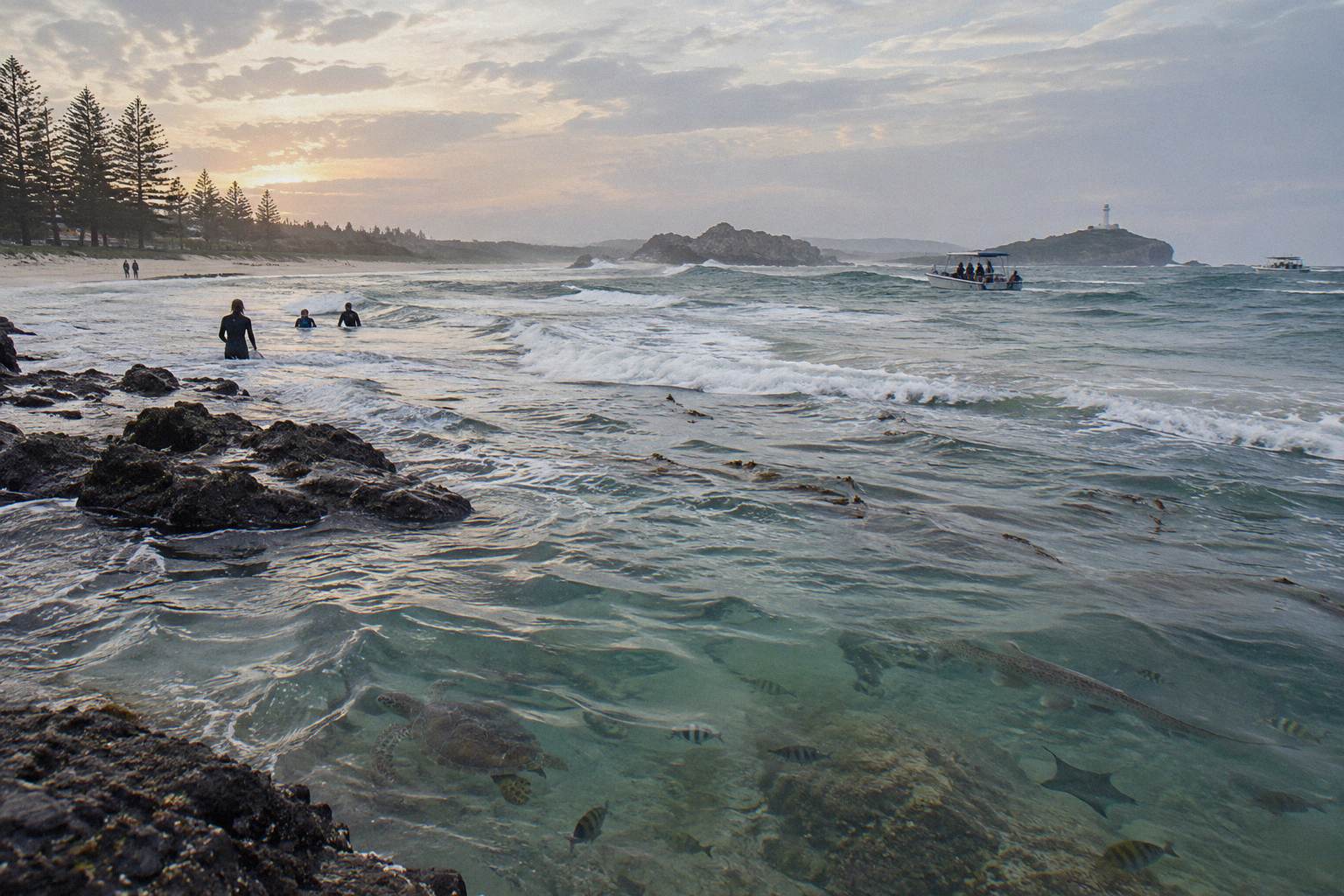
The one winter figure any operator publishes is that water at the site "can drop to 17 °C (avg. ~20 °C)" in winter, from a dive operator's site description. No official monthly sea-temperature record for Julian Rocks exists, so no month-by-month chart can be given honestly. In summer the water warms, and one dive operator notes strong northerlies blowing "between September and Christmas".
Seventeen degrees sounds mild until you are floating motionless in it for an hour. Snorkelling is not swimming laps; you drift, you hang face-down watching a turtle, you pause over a ray, and your body burns heat the whole time because water pulls warmth from you far faster than air. Most people feel a chill setting in well before they feel tired, and a wetsuit pushes that point back far enough that the trip is about the reef rather than about your core temperature.
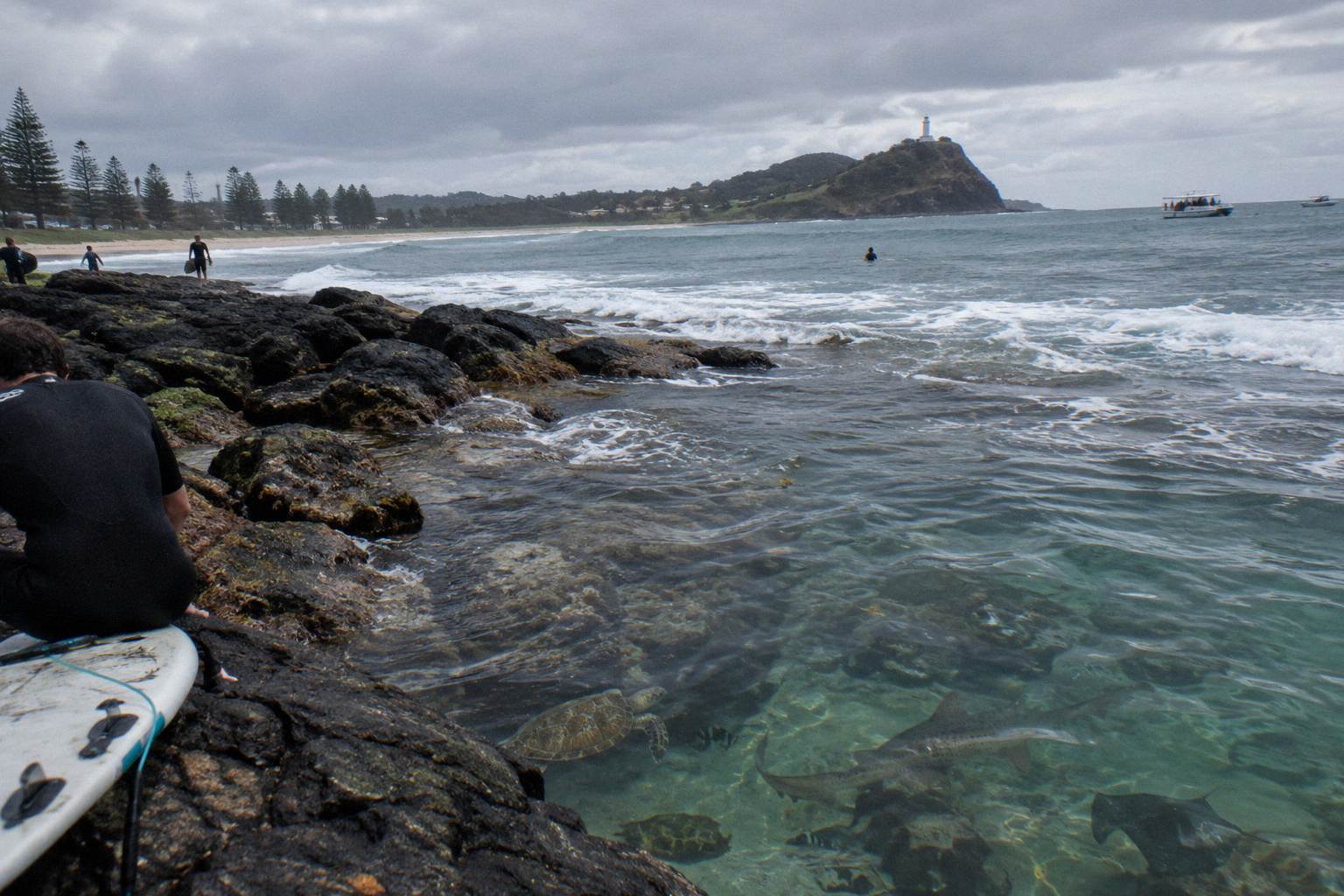
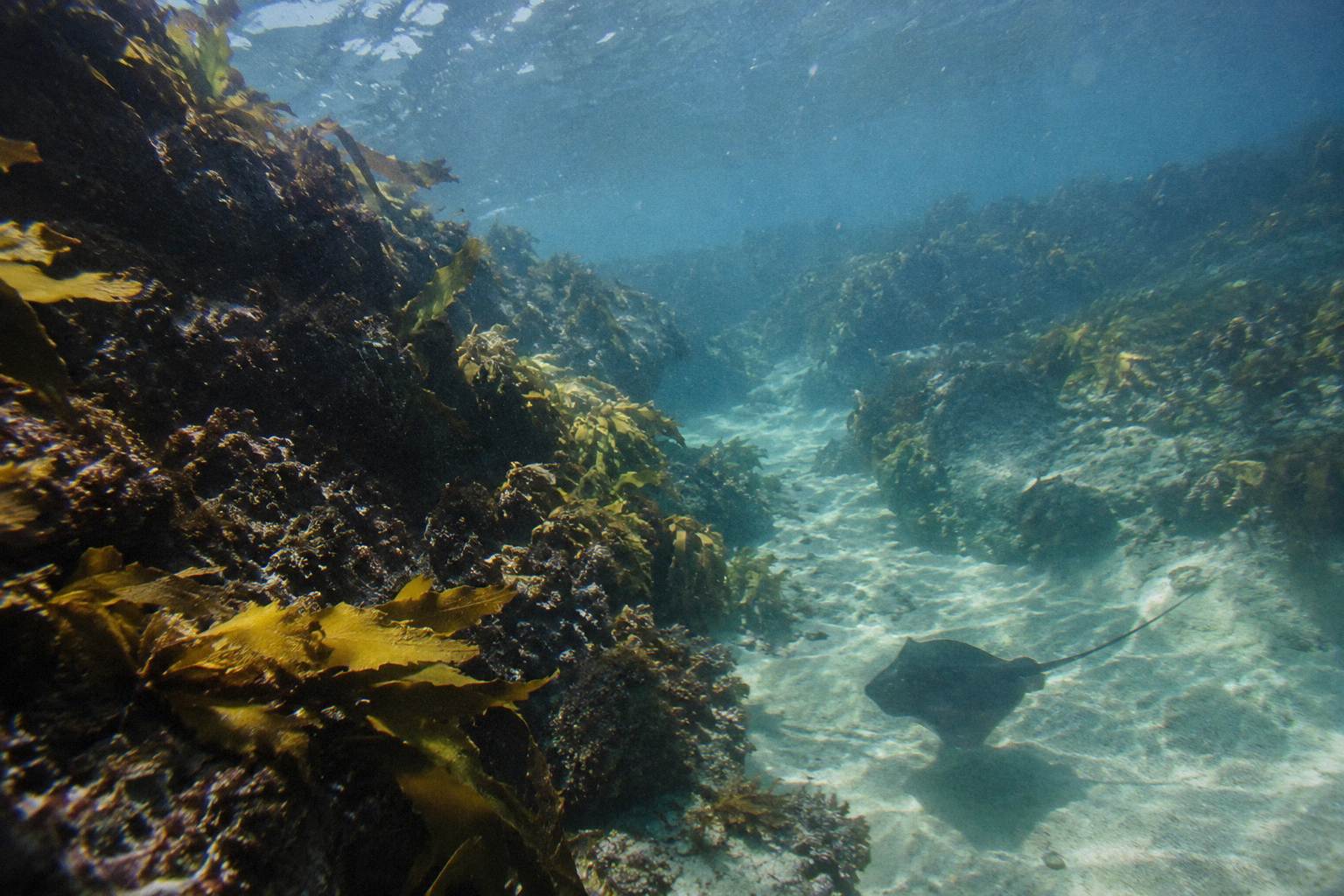
The seasonal pattern follows the East Australian Current. In the warmer months that current pushes tropical water south, and with it come the summer visitors operators describe: manta rays and leopard sharks, with leopard sharks gathering at the Needles sandy arena from December to April per one dive operator. In the cooler months the balance tips toward temperate water, and the grey nurse sharks that the marine park's own user guide names among its threatened species move into the sand trenches from June to November, though that is at dive depths of 8 to 24 m rather than the 3 to 12 m shallow, sheltered water where snorkel trips stay.
If you are weighing when to go, the guide on the best month to snorkel Julian Rocks works through the seasons in more detail, and Byron Bay water temperature by month covers the broader coastline context.
Which Trips Include A Wetsuit?
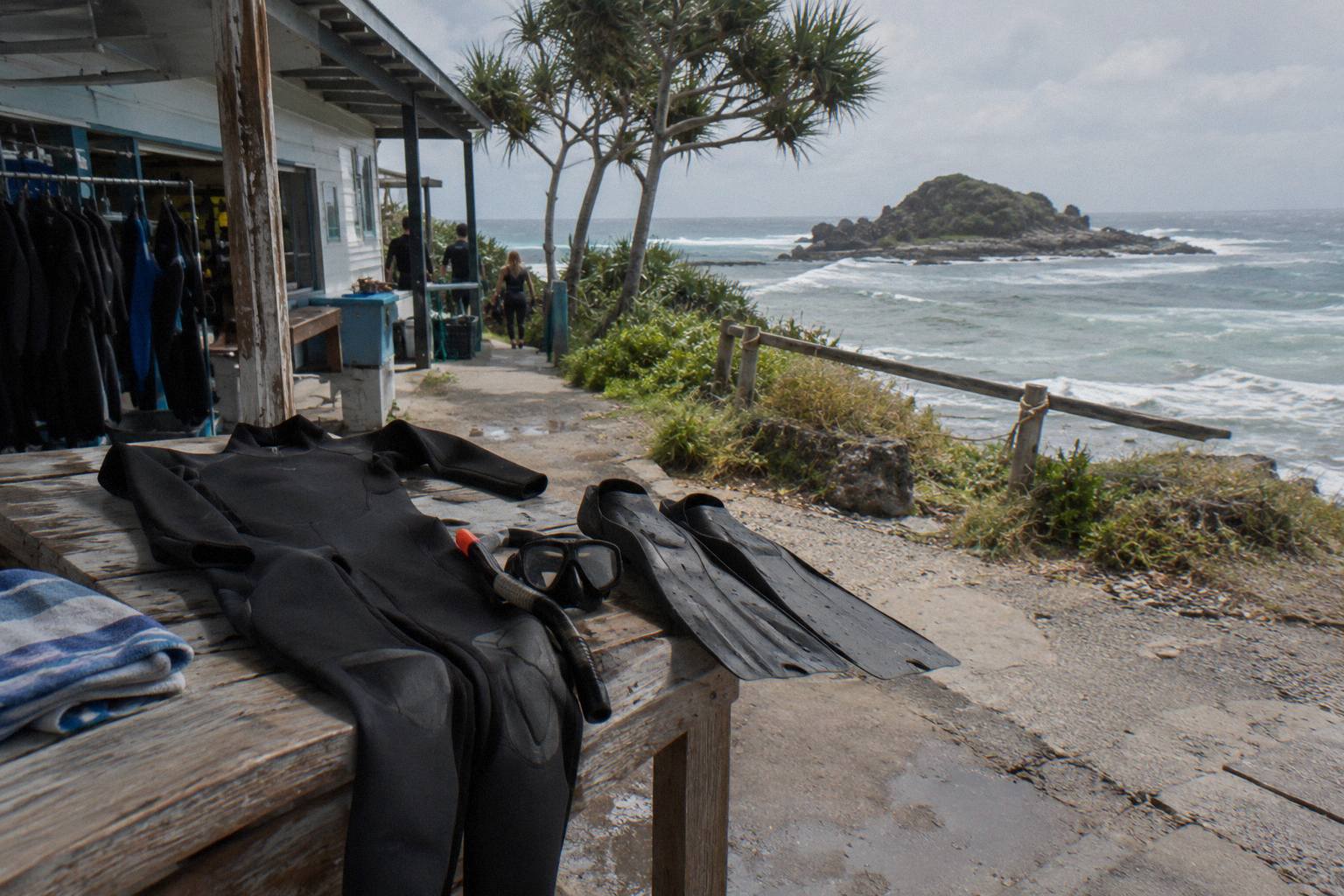
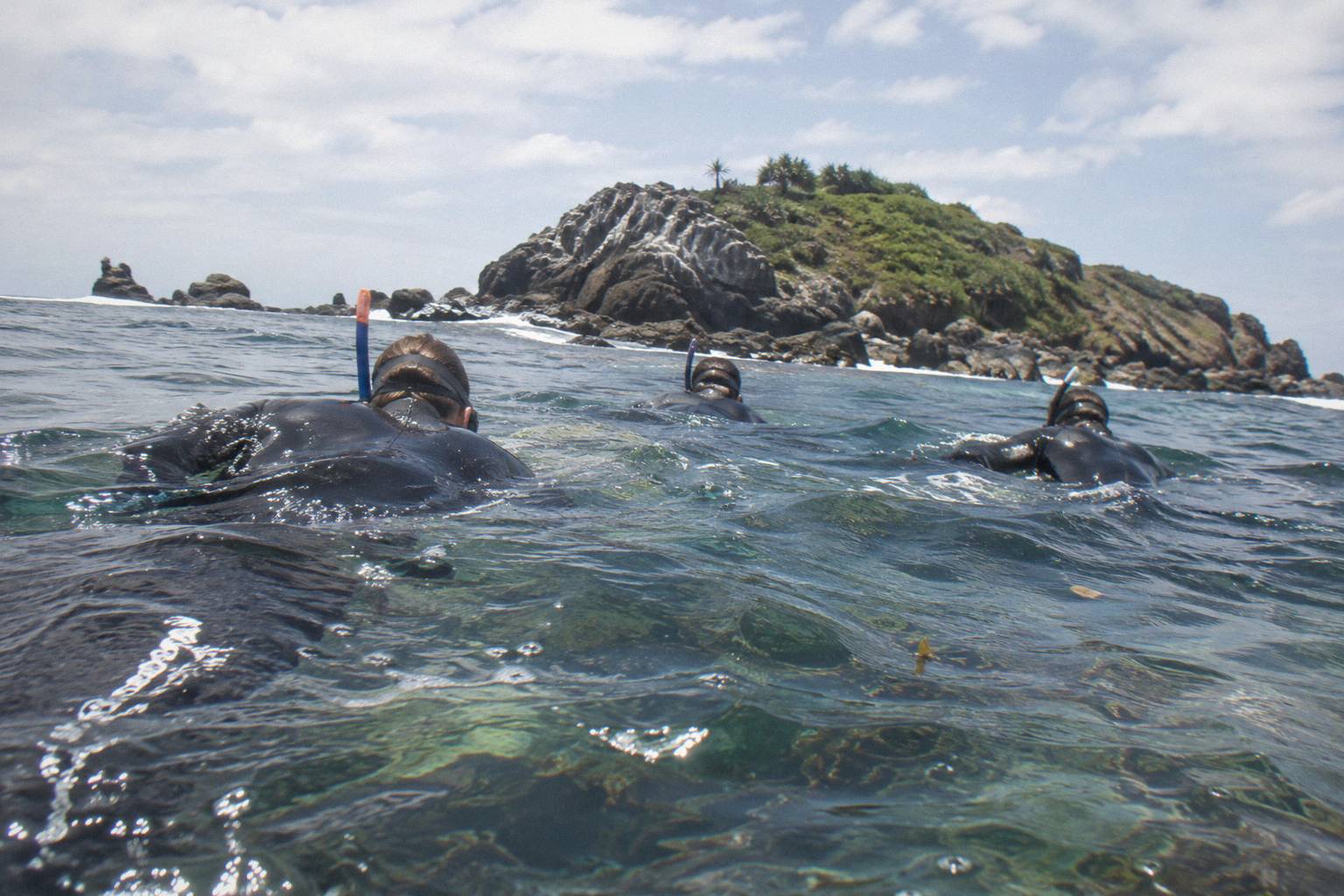
Byron Bay Dive Centre, which runs the Turtle School and sea turtle snorkel trips, includes fins, mask, snorkel and wetsuit and advises 5 mm long wetsuits for the duration of the trip; its meeting point is Byron Plaza with transport to the boat at The Pass. Another operator's page likewise includes wetsuit, mask, fins and snorkel in its trip. Blue Seafaris lists a marine biologist guide plus mask, fins and wetsuit. Out Of The Blue lists marine biologist guides, two in-water guides, snorkelling gear (mask, fins, wetsuit) and reef-safe sunscreen, with food and drinks and hotel pickup excluded.
Here is how the four snorkel trips on this site's roster line up, based strictly on what each booking page and operator page states. Note the pattern: where a wetsuit inclusion is stated, it is stated clearly; where it is not stated, treat it as a question to ask, not an assumption.
| Trip | Duration | Wetsuit and gear | Rating and price on file |
|---|---|---|---|
| Blue Seafaris, 2.5-Hour Snorkel | about 2.5 hours | mask, fins and wetsuit | from AUD 94, 4.5 across 448 reviews |
| Out Of The Blue, Brunswick Heads | about 2.5 hours | snorkelling gear, mask, fins and wetsuit | from AUD 94, 4.4 across 167 reviews |
| Turtle School, 3-Hour Snorkel | about 3 hours | fins, mask, snorkel, wetsuit and transfer to The Pass included; 5 mm long wetsuits advised | rating and price are on the booking page |
| Turtle-Focused Snorkel From Byron Town | about 2.5 hours | same operator as Turtle School; gear policy on the operator's page | no price or rating printed |
The two Brunswick Heads trips, Blue Seafaris and Out Of The Blue, both meet at Brunswick Heads Boat Harbour and both run about 2.5 hours. Their pages carry the ratings and from-prices shown above, but neither states its gear inclusions on file, so the honest instruction is to check the live listing before booking if hiring versus bringing your own matters to you. The Turtle School trips, by contrast, are explicit: everything is included, from the central meeting point at Byron Plaza on Jonson Street through to the transfer to the boat.
The Blue Seafaris trip is the trip this site links to throughout, and you can check availability alongside its full tour page if you want to see what the listing says about gear on your travel dates. Asking the operator one direct question, "is a wetsuit included or hired separately", settles it in a single reply.
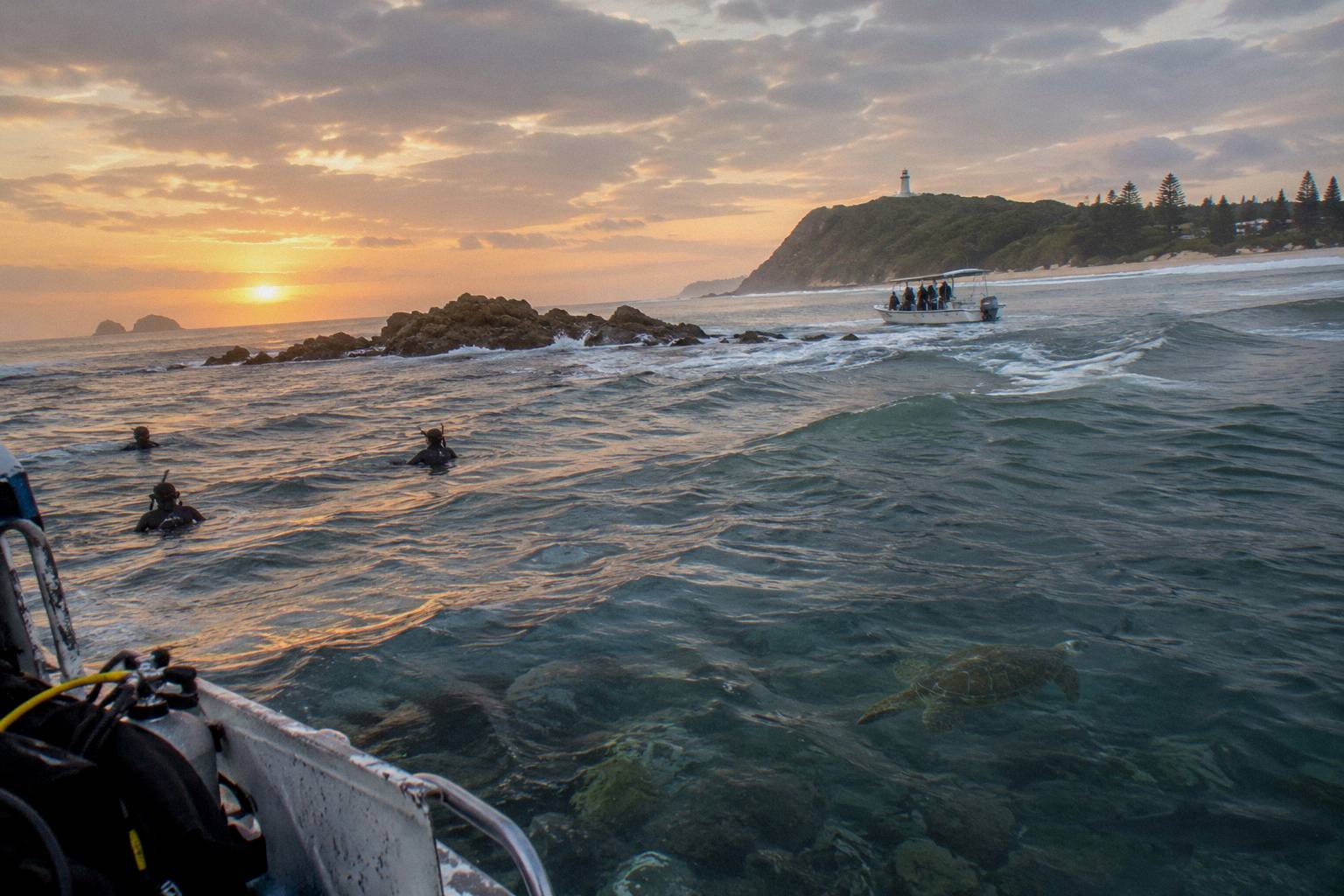
On the Turtle School trips, the inclusions cover everything the operator considers necessary for the water, so the practical packing list is short: swimwear worn under clothes, a towel, and whatever you normally want after a swim. If you wear glasses, plan on contact lenses for this trip, because prescription masks are not carried, and the boat stocks ginger seasickness tablets if the swell bothers you. With roughly one hour in the water inside a three-hour outing, a 5 mm long wetsuit, covering arms and legs, is what the operator suggests for the whole swim rather than a shortie.
For the Brunswick Heads trips, the split is simpler: if you already own a wetsuit, mask, fins and snorkel, bring them and the unstated inclusion question stops mattering. If you would need to hire, send the one-line question about wetsuit hire before you book, since the answer could change the real from-price of either trip.
What Thickness Wetsuit Do You Need For Julian Rocks?
The only operator-stated thickness advice is Byron Bay Dive Centre's recommendation of a 5 mm long wetsuit for the duration of the trip, which it repeats across its FAQ and tour pages. That figure is aimed at an hour in open-ocean water, the 3 to 12 m shallow zone where snorkel trips operate. For a one-off trip, the practical move is to wear what the operator supplies and reserve thickness shopping for people who snorkel often.
Why 5 mm rather than a thinner suit? The answer is time and stillness. A 3 mm suit, the kind sold for genuinely tropical reef trips, is comfortable for a quick dip but loses the fight over an hour in water near 20 °C or below. A 5 mm suit, with a long john or full-length cut that covers the arms and legs, holds enough warmth for the trip lengths on this roster: about 60 minutes in the water on the Byron Bay Dive Centre sea turtle trip, and roughly an hour of snorkelling within a three-hour outing per another operator's page. More of these guides are collected on Julian Rocks Snorkelling.
| Suit type | Where it works | Honest verdict for Julian Rocks |
|---|---|---|
| Shorty (2 mm or less) | tropical water, short swims | not advised for an hour in open-ocean water |
| 3 mm full suit | warm tropical trips | thin margin in cooler months; fine only if you run warm |
| 5 mm full suit, operator's advised type | temperate open-ocean snorkelling | the recommendation on the operator's own pages |
| 7 mm semi-dry | cold-water diving | more than a snorkel trip needs |
Hoods, gloves and boots are a personal call. Most snorkellers at the rocks go without them, and none of the operator pages on file require them. If you feel the cold easily, a thin neoprene hood makes a noticeable difference, since the head is where a large share of body heat is lost while floating face-down.
Can You Snorkel Julian Rocks Without A Wetsuit?
Physically, some people do swim there without one in the warmest months, but none of the trips on this roster frame it that way: every operator that states a gear policy includes a wetsuit, and one explicitly advises the 5 mm long type for the full duration. The open-ocean conditions, "strong swells, currents, surges, cold water and winds" per one dive operator, mean a suit also adds buoyancy and some protection against stings and scrapes.
There are two arguments people make for skipping the suit, and both are weaker here than they look. The first is warmth: in peak summer the surface water can feel pleasant for the first ten minutes, but the trips keep you out for around an hour, and the comfort curve turns sharply. The second is freedom of movement, which is a real preference, but a properly fitted 5 mm suit restricts very little once you are in the water, and buoyancy from the neoprene actually reduces effort.
There is also a safety framing worth knowing. Out Of The Blue Adventures requires the ability to swim 200 m unassisted before you book, and crew can end the trip early for snorkellers who cannot, with no refund. Blue Seafaris asks that you be comfortable swimming in open water, and offers pool noodles rather than flotation jackets for non-swimmers. Byron Bay Dive Centre sets its own bar: comfortable in the water and able to swim at least 25 m unassisted, with no life jackets to snorkel in. A wetsuit is part of that same conservative posture toward an open-ocean site: it buys you margin. The site's protections reinforce how seriously the place is managed, anchoring is banned within 700 m of the rocks, vessels slow to 4 knots within 200 m, and seven marine park moorings with a 2 hour maximum serve the site, all per the DPIRD user guide. Snorkelling is a permitted activity in the sanctuary zones, which cover 27.5% of the marine park, and the fish-feeding ban that applies across the park is part of why the animals behave calmly around snorkellers. The rules governing the water you will float in are on the DPIRD Cape Byron Marine Park page.
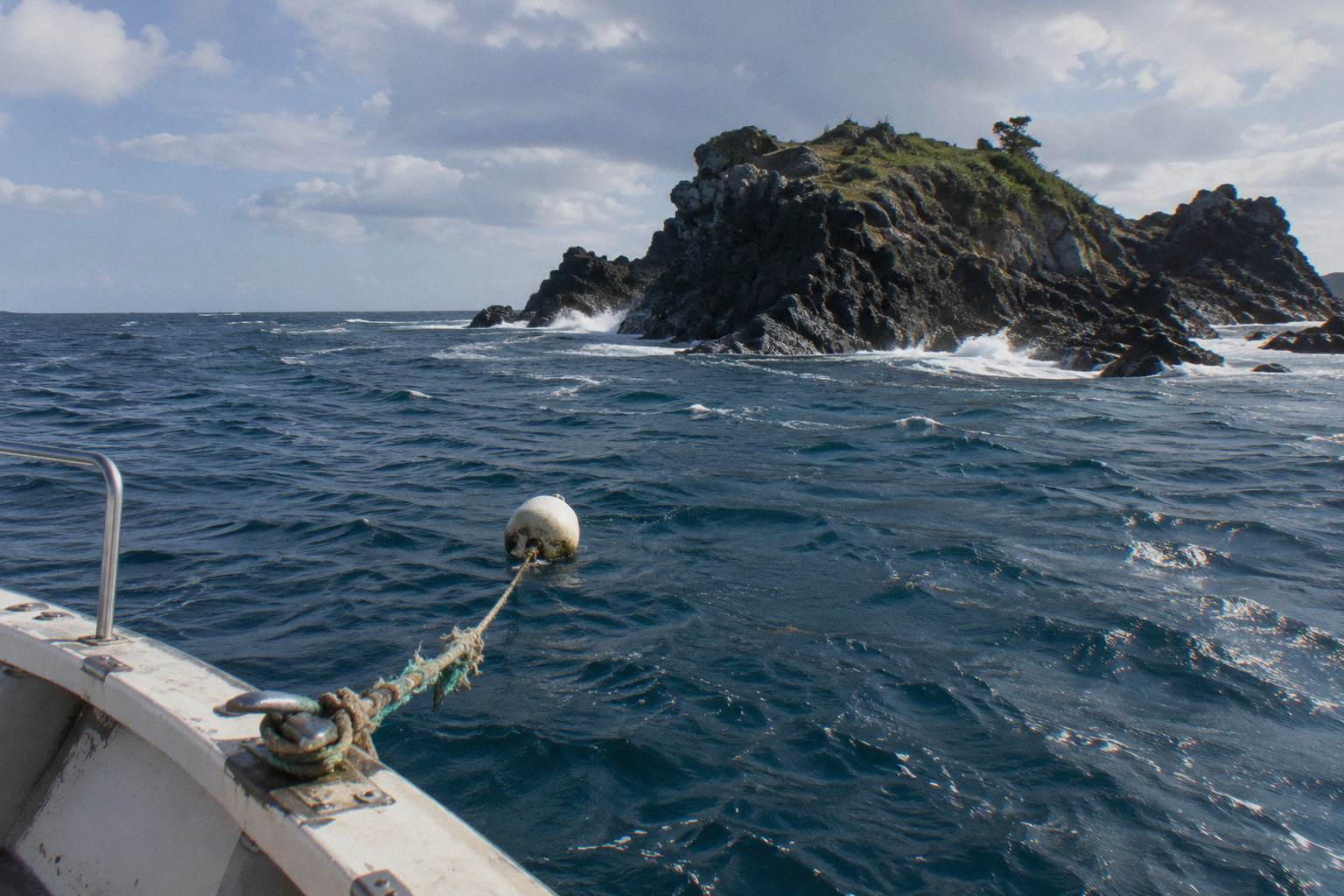
One more comfort note from the operator FAQ worth having in advance: Byron Bay Dive Centre carries ginger seasickness tablets on the boat and recommends bringing your own if you are prone to motion sickness, and it suggests a long wetsuit or a pool noodle for nervous snorkellers, with lifejackets on board. The five minute run from The Pass out to the rocks is short, but the site is open ocean and the ride out can be bumpy when a swell is running. Its full FAQ, including the no-prescription-masks note and the 48 hour cancellation policy, is on the Byron Bay Dive Centre FAQ page.
What About Bringing Your Own Wetsuit?
Bringing your own is fine on every trip whose policy is on file, since the stated inclusions simply mean gear is supplied, not that outside gear is banned. If you own a 5 mm full suit, pack it. If you own a 3 mm shorty, treat it as a summer-only option and check the operator's advice for your dates. If you own nothing, the included wetsuits on the trips that state them remove the problem entirely.
The practical questions when bringing your own are fit and warmth. A suit that has been folded in a cupboard for two years compresses unevenly and loses insulation where the neoprene has crushed; a suit that fits snugly without gaps at the neck, wrists and ankles is worth more than an extra millimetre of thickness that flushes with cold water every time you move. Try it on before you pack it. Rinse it in fresh water after each saltwater use and let it dry in the shade rather than the sun, because UV degrades neoprene faster than anything else you will do to it on holiday.
For everyone else, hiring through the trip is the standard path. The Turtle School trips include the wetsuit in the price, which means one less thing to carry to Byron Bay, and the operator's advice to use the 5 mm long type tells you exactly what you will be handed. If you are packing for the whole trip, the Julian Rocks snorkel packing list covers the rest of the kit, reef-safe sunscreen, towel, motion-sickness options and the small items that make the day easier.
Families should also check age minimums before booking, because no single minimum exists across the roster: the Byron Bay Dive Centre sea turtle trip states 10, another operator sets 7, a third sets 5, and the Blue Seafaris and Out Of The Blue pages state none on file, so ask the operator. The details are worked through in the guide to taking kids on the Julian Rocks snorkel trip, including the point that a well-fitting wetsuit matters even more for small bodies, which lose heat faster than adults.
The Turtle School trip above is the clearest example of the everything-included model: about 2.5 hours door to water and back, roughly 60 minutes in the water, and gear, wetsuit and the transfer from Byron Plaza to The Pass all included in the trip.
Out Of The Blue runs about 2.5 hours from Brunswick Heads Boat Harbour, from AUD 94 per person, rated 4.4 across 167 reviews on its main booking page, and a second booking page for the same trip shows 4.7 across 58 reviews. The listing includes snorkelling gear (mask, fins, wetsuit), marine biologist guides, two in-water guides and reef-safe sunscreen, though food, drinks and hotel pickup are not included.
Common Questions About Julian Rocks Wetsuits
Do I Need A Wetsuit To Snorkel At Julian Rocks?
Yes. The operators that state a policy include a wetsuit, and Byron Bay Dive Centre advises 5 mm long wetsuits for the duration of the trip. Water at the site can drop to 17 °C in winter per one operator's dive-site page, averaging around 20 °C, and trips keep you in the water for around an hour.
Is A Wetsuit Included In The Snorkel Trip Price?
On the Turtle School trips run by Byron Bay Dive Centre, yes: fins, mask, snorkel and wetsuit are included, along with transport from the central meeting point to The Pass. Another operator also includes wetsuit, mask, fins and snorkel. Blue Seafaris covers mask, fins and wetsuit, with a marine biologist guide leading the trip as well. Out Of The Blue provides snorkelling gear: mask, fins and wetsuit.
What Thickness Wetsuit Should I Wear?
The only operator-stated figure is 5 mm, the long full-length type, advised by Byron Bay Dive Centre for the duration of its trips. Thinner suits suit genuinely tropical water; at an open-ocean site like Julian Rocks the 5 mm advice exists because trips keep you in the water for about an hour.
Can I Bring My Own Wetsuit Instead?
Yes, nothing in the stated policies prevents it. A well-fitting 5 mm full suit is the benchmark. Check your suit still fits snugly at the neck, wrists and ankles, because gaps that flush cold water undermine the thickness rating.
How Cold Is The Water At Julian Rocks?
The one published winter figure is from a dive operator's site page: water "can drop to 17 °C (avg. ~20 °C)" in winter. There is no official month-by-month temperature record for the site, so no reliable monthly table exists, and this site does not print one.
Do I Need A Hood, Gloves Or Boots As Well?
Most snorkellers go without, and no operator policy on file requires them. If you feel the cold easily, a thin neoprene hood helps noticeably while floating face-down. Boots and gloves are optional and largely a matter of comfort.