What Is The Best Month To Scuba Dive In Byron Bay?
Dive seasons at Nguthungulli Julian Rocks explained: which months hold leopard sharks, grey nurse sharks and mantas, what certification you need, and how weather shapes the calendar.
The honest answer is that two windows compete for the title, and which one wins depends entirely on what you want under the surface. Divers chasing leopard sharks and manta rays aim for the warm months, with leopard sharks most reliably talked about from December to April. Divers who want grey nurse sharks dive the cooler months, June to November, when the sand trenches at depth hold them.
That split comes straight from the operators who work the site, not from a ranking. One dive operator describes the summer months as the season for manta rays and leopard sharks, and the cooler winter water as the season for endangered grey nurse sharks. Turtles, rays, crustaceans, nudibranchs, octopuses, eels and fish are listed all year, so there is no month with an empty ocean. The choice is really between two marine-life moods, plus a weather picture that shifts with the seasons.
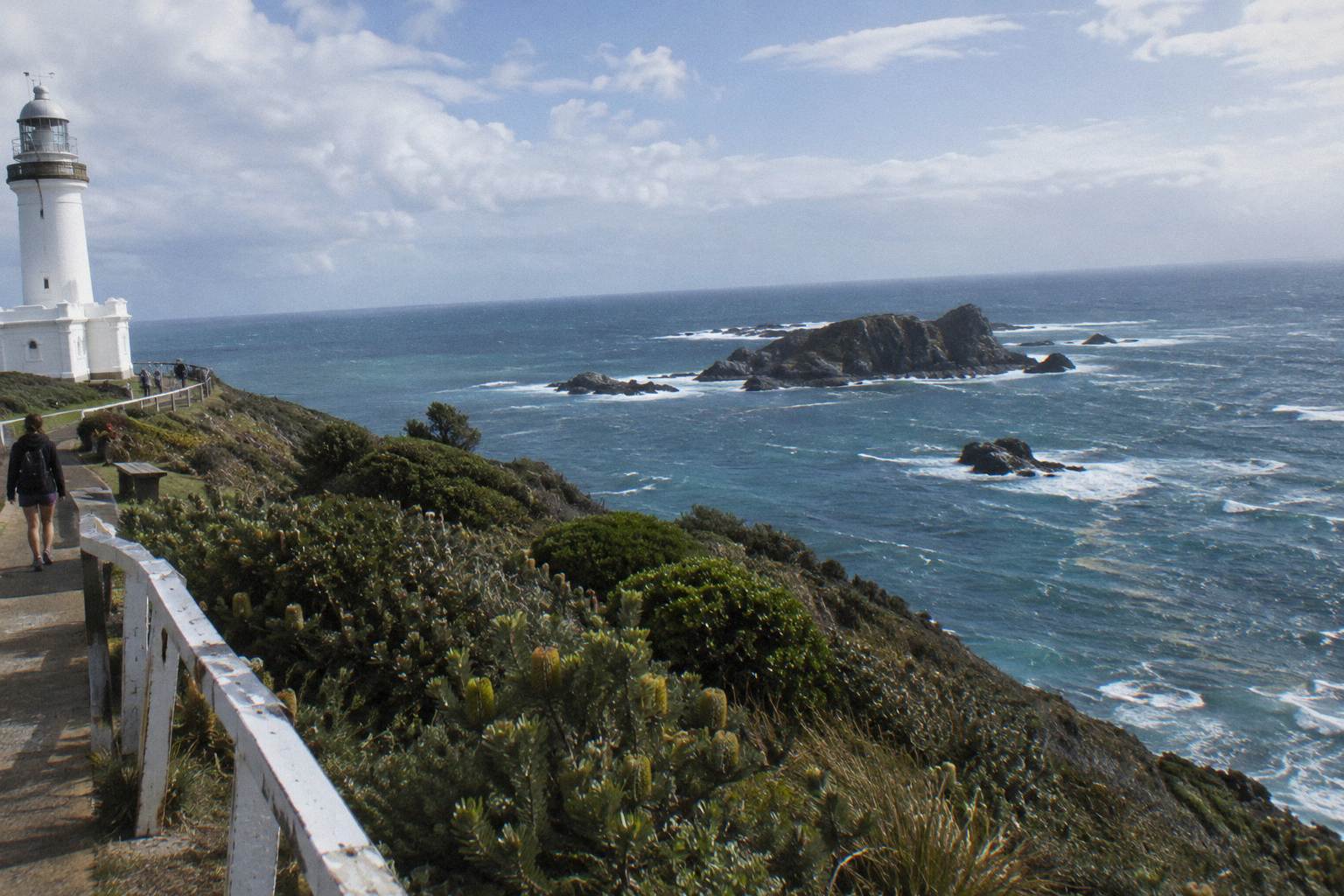
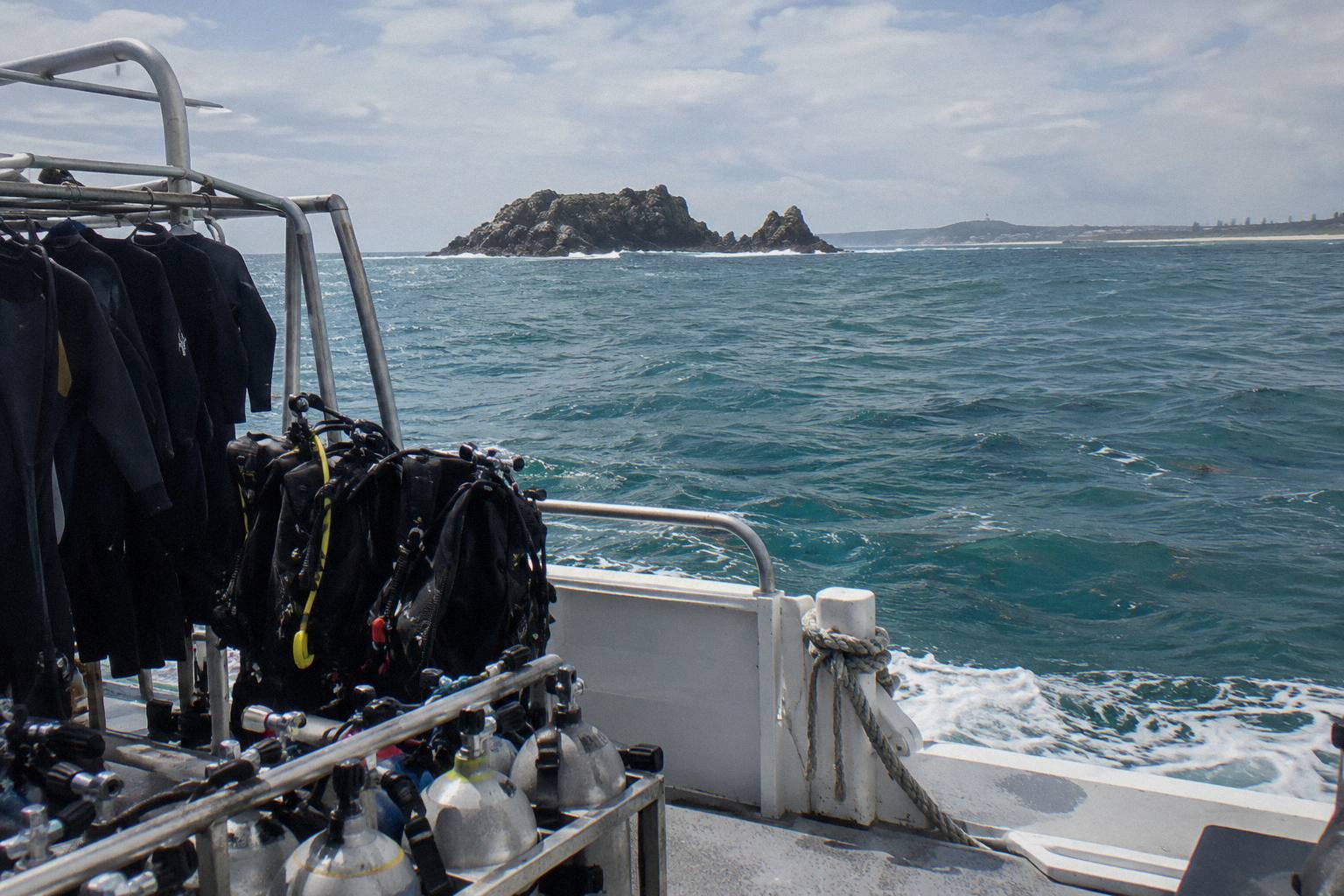
The site all of this happens at is Nguthungulli Julian Rocks, a pair of rocky islets about 2.5 km off Cape Byron inside Cape Byron Marine Park. The name is a dual one, adopted in July 2023: Nguthungulli is the Bundjalung word for Father of the World. The rocks sit where the warm East Australian Current meets cooler southern water, and that convergence is why the marine calendar here is so unusually rich, with operators talking about more than 500 species of fish around the site.
For snorkellers weighing the same question from the shallower side of the boat, the answer plays out differently, and the featured Blue Seafaris trip covers that ground in about 2.5 hours from Brunswick Heads, from AUD 94 per person, rated 4.5 across 448 reviews on its booking page. A reader comparing dive and snorkel seasons may well find the snorkel trip is the trip that actually fits their certification, their budget or their comfort in open water, and there is no shame in that switch. This site, Julian Rocks Snorkelling, exists precisely because most visitors meet the rocks without a tank on their back.
If you are still deciding, these three trips frame the realistic options:
- Blue Seafaris, 2.5-Hour Snorkel
- Out Of The Blue, Brunswick Heads
- Turtle School, 3-Hour Snorkel
- Turtle-Focused Snorkel From Byron Town
- Guided Dolphin Kayak
- Sea Kayak, Dolphins And Turtles
- Whale Watching, 2.5 Hours
What Each Season Is Stated To Hold
Operators describe the year in three overlapping layers rather than twelve ranked months. December to April is the leopard shark window at the Needles, and summer months bring manta rays as well. June to November is the grey nurse shark window in the sand trenches at dive depth. Turtles, wobbegongs and several ray species are listed all year, with no guarantee attached to any of it.
“This excursion was absolutely incredible! We got to see turtles and were even lucky enough to see whales and dolphins very close to us in the water. The explanations from the marine biologist guide were a real plus, and a big thank you to the boat captain, who was so kind and friendly! We highly recommend this experience, without hesitation!”
Every statement in that answer belongs to an operator or agency page, and it is worth keeping the attribution in mind as you read. One dive operator's dive-site page is the source for the leopard shark season, the grey nurse shark season and the year-round list. The parks agency DPIRD separately names sharks, rays, turtles, eels, starfish and corals among the animals at the rocks. None of it is a promise: Byron Bay Dive Centre says outright that it cannot guarantee sea turtles will be there, and that honesty applies to every species on the list.
The table below gathers what each season is stated to hold, in the operators' own framing. Note that leopard sharks gather in the Needles sandy arena, which divers reach but snorkel trips generally view from their shallower line, and that grey nurse sharks hold in trenches at 15 to 24 m, well below any snorkel depth.
| Season | What operators say is around | Where it fits |
|---|---|---|
| Warm months, December to April | Leopard sharks in the Needles sandy arena; manta rays in summer | Dive depths; leopard sharks at a sandy arena divers describe |
| Cooler months, June to November | Grey nurse sharks in the sand trenches | 15 to 24 m, dive depth only, rarely seen from snorkel trips |
| All year | Green, hawksbill and loggerhead turtles; wobbegongs; bull, eagle and shovelnose rays; nudibranchs, octopuses, eels, fish | Dive sites and the shallow sheltered areas snorkel trips use |
There is a second seasonal layer that has nothing to do with fish: the wind. One dive operator notes that strong northerlies can blow between September and Christmas, and describes the site as open ocean where strong swells, currents, surges, cold water and winds are all possible. That overlaps awkwardly with the start of the leopard shark season, which is one reason locals watch forecasts rather than trusting the calendar alone. The same operator's dive-site page gives winter water that can drop to 17 °C with an average around 20 °C, its own figure for its own dive operation, and the only temperature number worth quoting here.
If the dive-season calendar has you leaning toward the water sooner rather than later, the snorkel side runs year-round:
Why The Grey Nurse Shark Season Pulls Divers
Grey nurse sharks are the reason many certified divers choose the colder half of the year. One dive operator places them in the sand trenches during the colder months, June to November, at depths of 8 to 24 m, and says that in winter those trenches can be full of them. They are a threatened species named in the marine park's own user guide, which adds weight to the season.
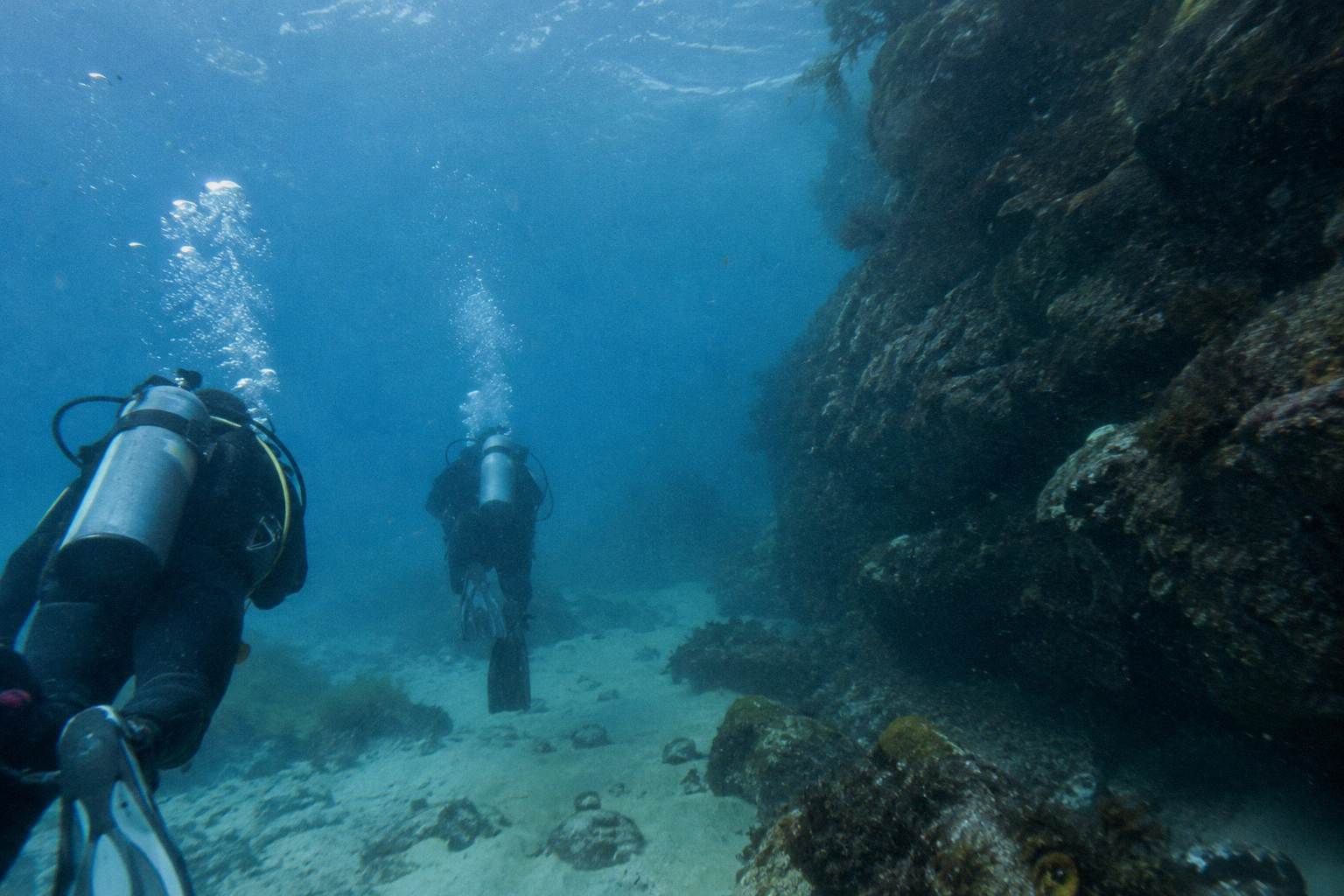
The depth is the whole story for divers. The trenches where grey nurse sharks gather sit at 15 to 24 m, comfortably inside scuba range and completely out of reach for a snorkeller floating on the surface. That is why the June to November window is a genuinely diver-specific drawcard: a snorkel trip cannot get you there, and no honest operator will claim otherwise. Divers who want the full picture on the species can read the site's guide to grey nurse sharks around Julian Rocks before locking in a date.
Grey nurse sharks also carry a reputation they do not deserve. They look formidable, all rows of teeth, but they are not a threat to divers when treated with respect and distance, and swimming with them at Julian Rocks is a routine, managed experience for the dive operators who work the site. The marine park's rules support that: the rocks sit inside sanctuary zones where all species are protected, anchoring is banned within 700 m, and boats slow to 4 knots within 200 m. The protections are part of why the sharks keep coming back to the same trenches each cold season.
“Beautiful trip and saw so much sea life. It was absolutely amazing. The guide did a great job! Overal 12/10 experience!”
What the season asks of you in exchange is comfort in cold water and a tolerance for changed plans. Winter water can drop to 17 °C, per the one operator's figure, and the open-ocean site never guarantees calm conditions. Divers booking June to November should build flexibility into their itinerary, because a blown-out day simply moves the dive, and the sharks do not care about your accommodation checkout time.
Leopard Sharks, Mantas And The Warm Months
From December to April the headline shifts to leopard sharks, which one dive operator says gather mostly in the Needles sandy arena during the warmer months. Manta rays belong to the same summer picture in the operator's wording. Add turtles and a long list of rays and reef fish that hold all year, and the warm season sells itself on variety rather than a single star species.
Leopard sharks are, for many divers, the more photogenic of the two shark seasons. They are striped, they are placid, and they rest over sand in numbers that make the Needles arena a reliable-looking proposition in the warmer months, in the operator's framing. Mantas are the wildcard: the operator lists them for summer, but nobody schedules a manta, and any sighting is a gift of timing rather than a booking outcome.
“I loved snorkeling in Byron Bay. The things to do were amazing, and the live guides were reassuring. We saw leopard sharks, turtles, fish, and even a whale on the way back. I recommend the things to do 100%. Thank you!”
The warm months also suit divers who feel the cold. Water around 20 °C on average, again per the single operator figure, is a different experience from a 17 °C winter morning, and the surface interval is a great deal more pleasant. The trade-off is that September-to-Christmas northerlies can spill into the early part of this window, so a December dive is a bet on both sharks and weather holding.
For snorkellers, the warm months are arguably the best time to be on the surface too, since leopard sharks in the sandy arena and turtles in the shallows overlap. The featured Blue Seafaris trip, about 2.5 hours from Brunswick Heads Boat Harbour at 43 Harbour Way, from AUD 94 per person and rated 4.5 across 448 reviews on its booking page, puts you in the shallow sheltered areas of 3 to 12 m where operators describe turtles, rays and colourful fish. Out Of The Blue runs a similar 2.5-hour trip from the same harbour, from AUD 94 per person, rated 4.4 across 167 reviews on its main booking page, and a second booking page shows 4.7 across 58 reviews. Neither rating outranks the other; they are separate pools of guests.
Divers who want the 2.5-hour, deeper-story option with the same operator family often look at the Turtle School listing next:
Depths, Certification And What You Can Actually Book
Diving at Julian Rocks spans 8 to 24 m, with the grey nurse trenches at the deeper end, while snorkel trips stay in shallow sheltered water of 3 to 12 m. The Byron Bay Dive Centre Fun Dive runs about 2.5 hours with roughly 50 minutes underwater, minimum age 12 and Open Water certification required, and its Turtle School plus Snorkelling option lasts about 4 hours with around 60 minutes in the water, minimum age 10.
“I had an amazing trip! The boat was super fun, the guide was excellent and I swam with turtles, wobbegongs, a spotted ray and saw two octopus! Heaps of beautiful fish too. I wouldn’t have noticed half the sea creatures without our expert guide pointing them out! Thoroughly recommend the team at Blue Seafaris!”
That certification line matters more than any month on the calendar. If you hold no certification, the dive products described here are simply not bookable for you, and the honest path is the snorkel trip: same rocks, same turtles, no card required. The Fun Dive is for certified divers, and its minimum age of 12 sits against the snorkel trips' lower thresholds, with operators' minimum ages ranging from 5 to 10 years depending on the company. The details sit in the site's guide to taking kids on the Julian Rocks snorkel trip.
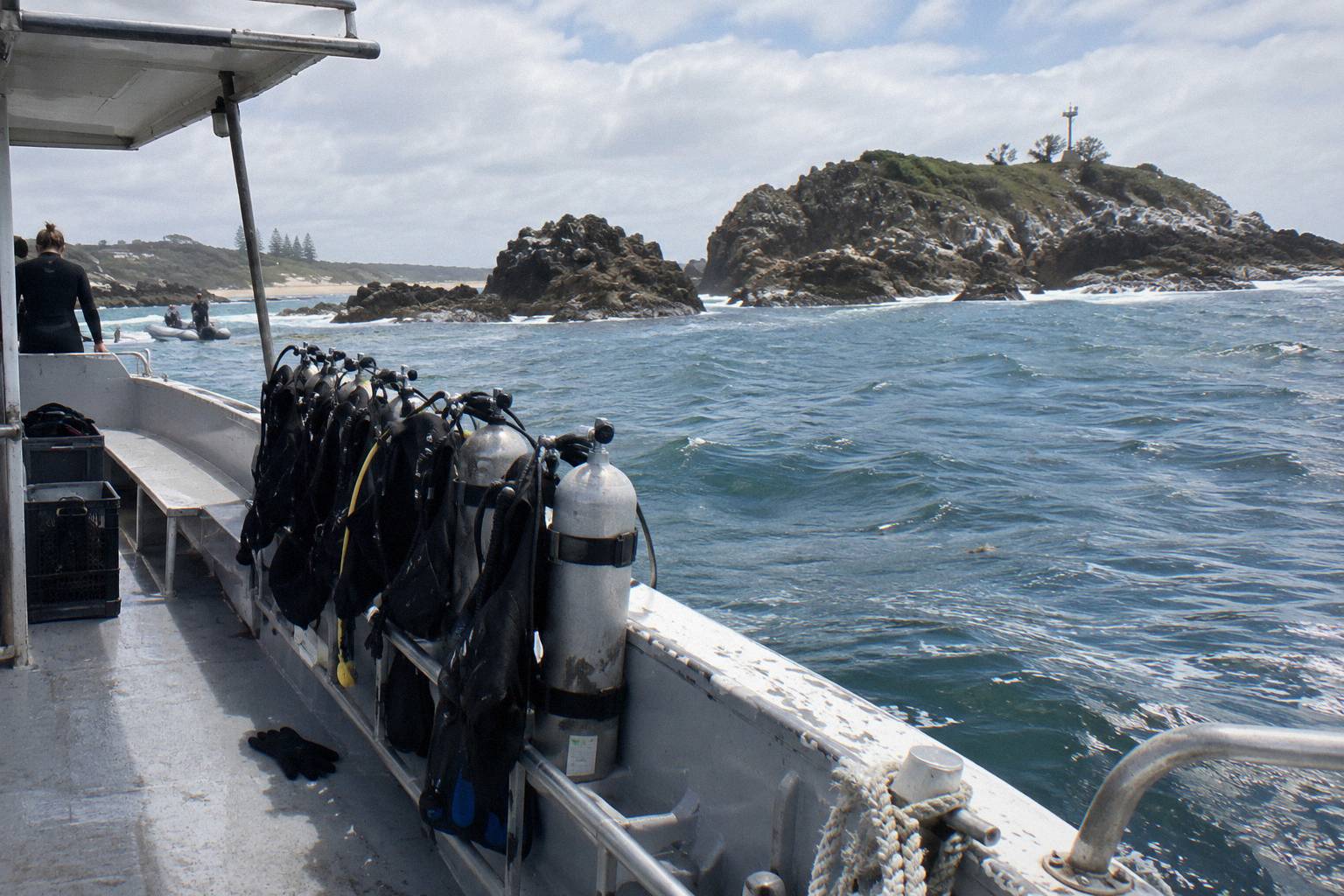
The structure of a day is similar across products, which surprises some first-timers. A dive trip and a snorkel trip both spend more time on the boat and in preparation than in the water: roughly 50 to 60 minutes submerged is the stated in-water time on the Byron Bay Dive Centre products, inside a total of about 2.5 to 4 hours door to water to door. Gear is included on the trips described here, with 5 mm long wetsuits advised on the FAQ page, and ginger seasickness tablets carried on the boat, though bringing your own is recommended.
| Trip | Total time | In water | Min age | Certification |
|---|---|---|---|---|
| Fun Dive, Byron Bay Dive Centre | About 2.5 hours | About 50 minutes | 12 | Open Water required |
| Turtle School plus Snorkelling | About 4 hours | About 60 minutes | 10 | None stated for the snorkel option |
| Snorkel trips, Blue Seafaris and Out Of The Blue | About 2.5 hours | Not stated | Per operator | None |
No dive prices are printed on this site, and the operators' direct prices are deliberately left off these pages; check the live listing for the current number. What can be said is that the two main 2.5-hour snorkel trips both sit at from AUD 94 per person on their booking pages, which gives a snorkeller a rough sense of the entry point for getting out to the rocks at all.
Weather, Winds And The Spring Complication
Spring, September to November, is the awkward overlap: it sits inside the grey nurse shark window but also inside the strong-northerlies period one operator places between September and Christmas. The site is open ocean where strong swells, currents, surges, cold water and winds are all possible. A spring dive is bookable, but it is the season most likely to be rescheduled.
It is November as this page is written, which is late spring in the southern hemisphere, and that means readers planning right now are planning inside exactly that overlap. The grey nurse sharks are still in the trenches until November closes the season, per the operator's wording, and the northerlies are still a live risk. The practical advice is to book with flexibility: Byron Bay Dive Centre's policy, on its FAQ page, is that if weather or sea conditions are unsuitable, guests are contacted by text or phone and offered a full refund or a reschedule, with a 48-hour cancellation window otherwise.
That policy shape is worth reading before any Julian Rocks booking, in any season. An open-ocean site will always have blown-out days, and the difference between a good operator and a frustrating one is less about the fish and more about how cleanly a cancellation is handled. Guests booked through an agent are told the refund follows the agent's policy, so know which kind of booking you made.
“AMAZING! The fun began on the boat ride out there and the marine life we saw was spectacular. Our guides, Matt and Will, were brilliant and had an obvious passion for marine life. 10/10 would recommend.”
One more constraint that applies year-round: the marine park's seven moorings at Julian Rocks carry a 2-hour maximum for vessels, no fishing from a moored vessel, and no rafting up. That is why every trip to the rocks is a short, sharp visit rather than a lazy afternoon anchored off the islets, and it is a rule set by the park, not a preference of the operators. The nature reserve listing for Nguthungulli Julian Rocks covers the protected status of the islets themselves.
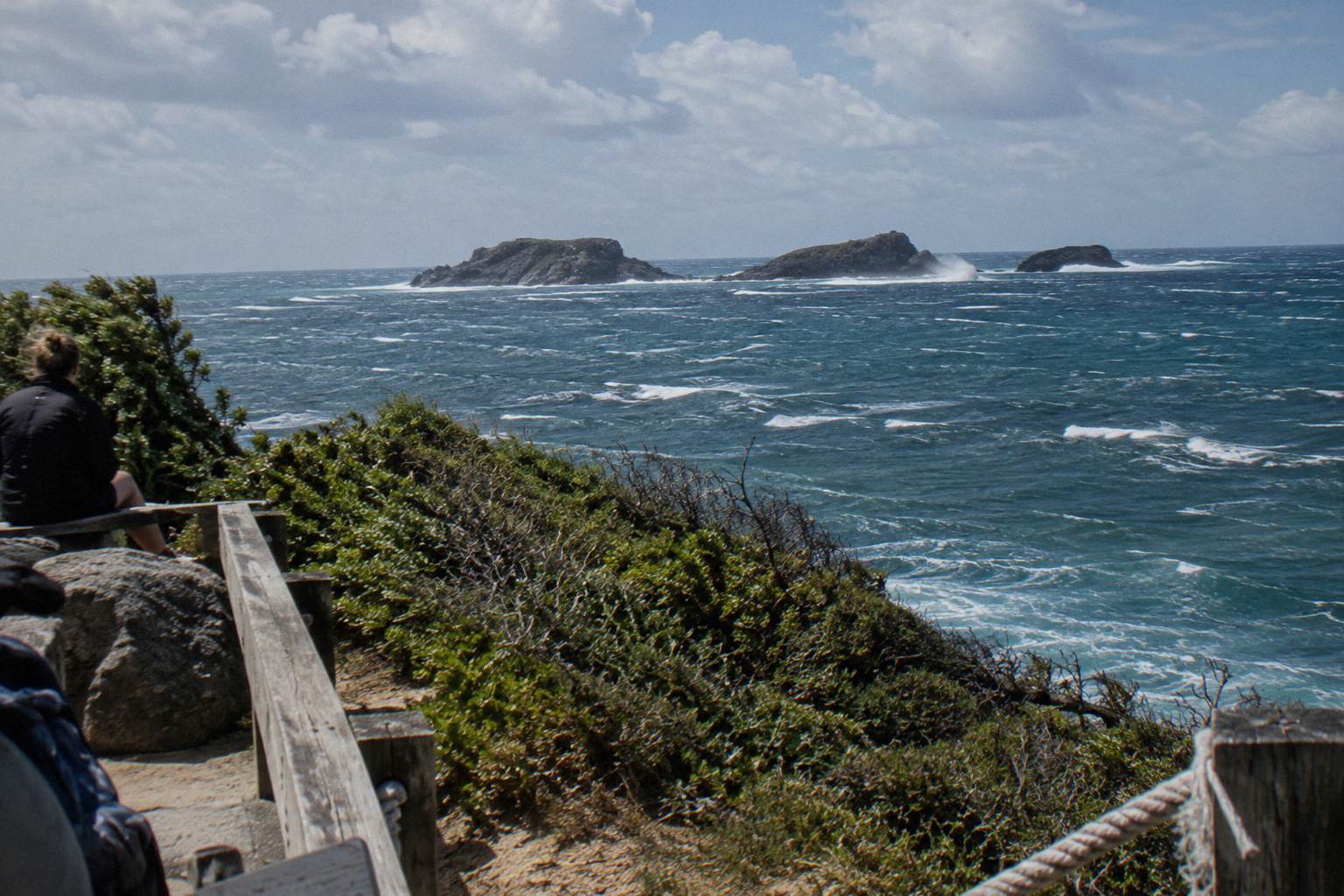
If You Snorkel Rather Than Dive
Snorkel trips visit the shallow sheltered areas of 3 to 12 m and are described as seeing turtles, rays, a variety of colourful fish and crustaceans. The grey nurse trenches at 15 to 24 m are out of reach, and grey nurse sharks are rarely seen from snorkel trips. Turtles are the year-round constant on both sides of the surface, with no guarantee from any operator.
This is the honest fork in the road, and it is why a page about dive months lives on a snorkelling site. Everything that makes June to November special for divers stays below snorkel depth. Everything that makes the warm months special, turtles, rays, leopard sharks over sand where depths allow, is visible from the surface line. A snorkeller choosing a month is really choosing water warmth and weather, and the site's guide to the best month to snorkel Julian Rocks works through that question directly.
“A fantastic morning out! Leopard sharks, turtles, eagle rays and even a Manta! Couldn’t have wished for more! Choppy conditions to start but both the guide and skipper handled it well so everyone felt safe and looked after! Early morning session was a brilliant way to start the day!”
The featured trip frames the decision well. Blue Seafaris' 2.5-hour snorkel from Brunswick Heads Boat Harbour costs from AUD 94 per person and carries a 4.5 rating across 448 reviews on its booking page, a pool of guests large enough to mean something. Out Of The Blue offers the same-length trip from the same harbour at the same from-price of AUD 94, rated 4.4 across 167 reviews on its main booking page. Turtle School, run by Byron Bay Dive Centre, meets in town at Byron Plaza on Jonson Street and includes transport to the boat at The Pass, runs about 2.5 hours, and its rating and price are on the booking page.
The town-meeting-point alternative suits visitors staying in central Byron without a car:
Whatever the month, go in with the operators' framing rather than a brochure's. Turtles can be spotted year-round throughout the whole day, but the operator says it cannot guarantee turtles will be there. Cameras are welcome if waterproof and flash-free, touching and collecting are not, and fish feeding including shark feeding is prohibited in the marine park. The rules are light and sensible, and they keep the site worth coming back to in every season.
Before you commit to a month, these are the trips this page has been discussing:
Common Questions About Scuba Diving Months In Byron Bay
What Is The Best Month To Scuba Dive In Byron Bay?
There is no single best month. December to April is the leopard shark and manta ray window per one dive operator, June to November is the grey nurse shark window in the sand trenches at 15 to 24 m, and turtles plus many rays and reef fish are listed all year. Pick the species you want most and take the season that comes with it.
Can Snorkellers See The Grey Nurse Sharks At Julian Rocks?
Not realistically. The grey nurse sharks hold in sand trenches at 15 to 24 m, which are dive depths, and they are rarely seen on snorkel trips. Snorkel trips stay in shallow sheltered areas of 3 to 12 m, where operators describe turtles, rays, colourful fish and crustaceans.
When Are Leopard Sharks At Julian Rocks?
One dive operator places leopard sharks mostly in the Needles sandy arena during the warmer months, from December to April. Manta rays belong to the same summer picture in the operator's wording. No operator promises a sighting in any month.
Do I Need A Certification To Dive At Julian Rocks?
Yes for the Fun Dive at Byron Bay Dive Centre, which requires Open Water certification, runs about 2.5 hours with about 50 minutes in the water, and has a minimum age of 12. Its Turtle School plus Snorkelling option runs about 4 hours with about 60 minutes in the water and a minimum age of 10.
Are Whales Part Of A Dive Or Snorkel Trip At Julian Rocks?
Not as a promised part of any trip. On whale watching itself, operators differ: one runs whale trips between May and November, while Byron Bay Dive Centre lists whale watching from June to October. Whales may be seen from the boat when in season, but no dive or snorkel trip is a whale trip.
What Is The Water Temperature When Diving In Winter?
One dive operator's dive-site page gives winter water that can drop to 17 °C, with an average around 20 °C. That is the operator's own figure for its own operation, and no official month-by-month temperature source was found, so this page prints no monthly temperature table. A 5 mm long wetsuit is advised on the Byron Bay Dive Centre FAQ.